








Introduction:Although Americano is simple, it hides intricate details. Everything from the espresso base to the water-to-espresso ratio can influence the final flavor. This article deeply breaks down the acidity characteristics, aroma differences, and key extraction parameters of hot and iced Americanos, while retaining the original image placements, to help you understand how to find the Americano that best suits your taste through bean selection, grind adjustment, and water temperature control.
Though seemingly basic, Americano coffee encompasses rich brewing knowledge. From its origins during World War II when American soldiers diluted European espresso, to today’s two major methods—drip-filtered and espresso-with-water—every step, including bean selection, extraction parameters, water temperature control, and water-to-espresso ratio, directly shapes the final flavor profile. This article will systematically analyze the logic behind making Americano, deeply comparing the differences in aroma layers, acidity expression, and mouthfeel structure between hot and iced Americanos, while retaining the original image placements, to help coffee enthusiasts master key techniques and find their ideal flavor.
When it comes to Americano, many people might immediately picture one of two scenarios: pure black coffee made with a drip machine, or espresso diluted with water. In fact, both methods fall under the category of Americano, but their flavor profiles are drastically different. Drip-style usually emphasizes the inherent flavor characteristics of the beans, whereas the espresso-diluted version relies more on the quality of the base espresso and the precision of the dilution ratio.
Legend has it that during World War II, American soldiers, unaccustomed to the intense concentration of European espresso, began diluting it with water themselves. This practice was later jokingly referred to by Europeans as "Americano." It’s worth noting that in Italy, if you simply order an "Americano" or "Latte," the server might give you a glass of hot water or plain milk—the correct way is to specify "Caffè Americano" or "Caffè Latte."

The process of making Americano can be divided into two main steps: first extracting the espresso shot, then mixing the espresso with water in a specific ratio. While this process may seem simple, it heavily relies on the barista’s skill—especially the quality of the base espresso, which directly determines the final flavor expression.
In terms of bean selection, a certain shop once used a blend consisting of 70% Honduran Sherry and 30% Ethiopian Natural Red Cherry, showcasing a rich layering of flavors. For those who prefer a fuller-bodied taste, consider a dark roast recipe composed of Brazilian, Indonesian, and Vietnamese beans—these beans can extract intense oils and smoky aromas.
Key parameters for extracting espresso include: grind size (medium-fine is recommended for a balanced flow rate), dose (approximately 12g for a single shot, 20g for a double), water temperature (between 90.5–96°C), extraction pressure (9 bar ± 2), and brew ratio (1:1.7 to 1:2). It’s especially important to note that if the grind is too coarse, it may lead to overly sharp acidity; if too fine, it can result in over-extraction and bitterness.
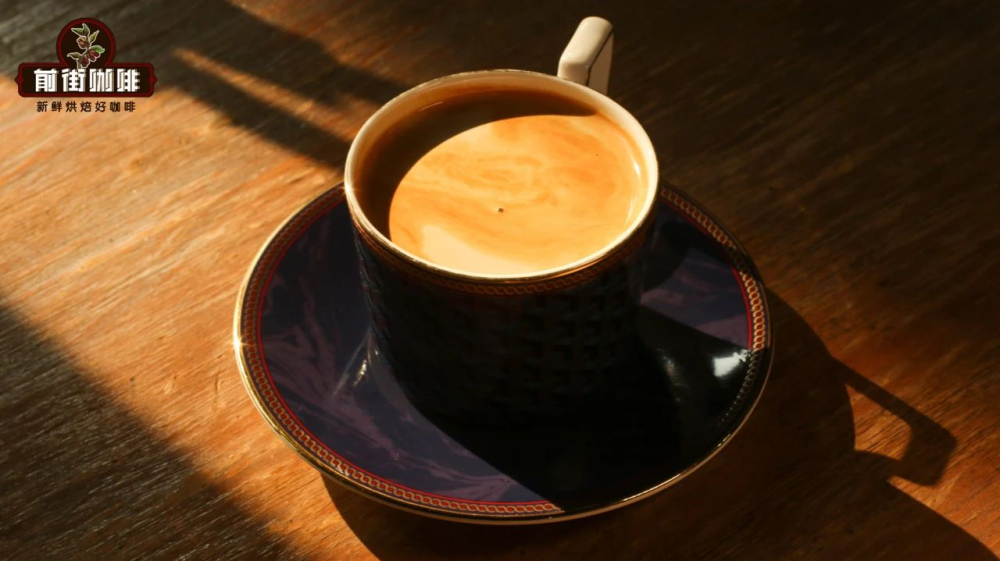
The tamping step after dosing is crucial. Tamping too hard may cause the puck density to be too high, impeding water flow and leading to over-extraction. It’s advised to apply force perfectly vertical to the portafilter to avoid an uneven puck and inconsistent extraction. In one shop’s actual operation, using a Faema E98 espresso machine, a 20–30 second extraction time yielded a 40g double shot (or 20g single).
As for the water-to-espresso ratio, the traditional 1:8 ratio is common but not necessarily ideal for all beans. Practical testing found that with certain blends, a 1:6 ratio better highlights flavor characteristics—such as hints of whiskey and lingering dark chocolate—while maintaining a richer body. Stretching the ratio to 1:8 may result in overly diluted flavors and significantly weaker aftertaste.
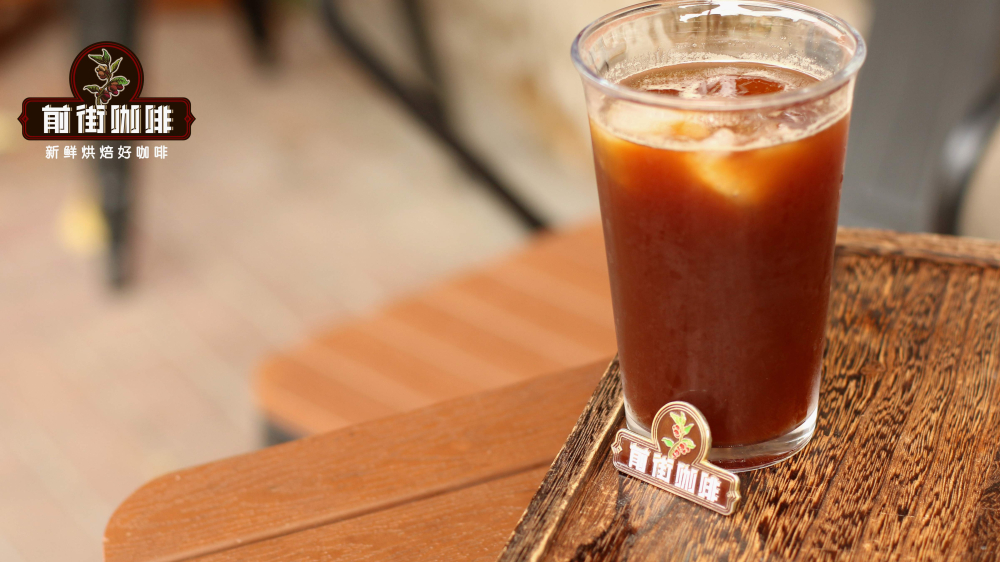
When drinking Americano, it’s recommended to experience it in three steps: first, smell the aroma to capture the rich scent of freshly ground coffee; next, observe the color—ideally deep brown rather than pitch black; finally, take small sips to notice the balance of sweetness, slight bitterness, and acidity. If it tastes too bitter, feel free to adjust with spices, cinnamon, sugar, or milk according to personal preference.
The core difference between hot and iced Americanos lies in how temperature affects flavor. Hot drinks fully release the coffee’s aromatic molecules, offering a richer olfactory experience; whereas iced Americanos, due to lower temperatures suppressing some volatile compounds, present a relatively milder acidity perception, while the cooling effect of ice gives the drink a uniquely refreshing quality. If aroma and aftertaste are your priorities, go for hot Americano; if you’re after something cool and thirst-quenching, iced Americano is more suitable.
The above content is compiled by CoffeeHunters, a coffee news website.


