







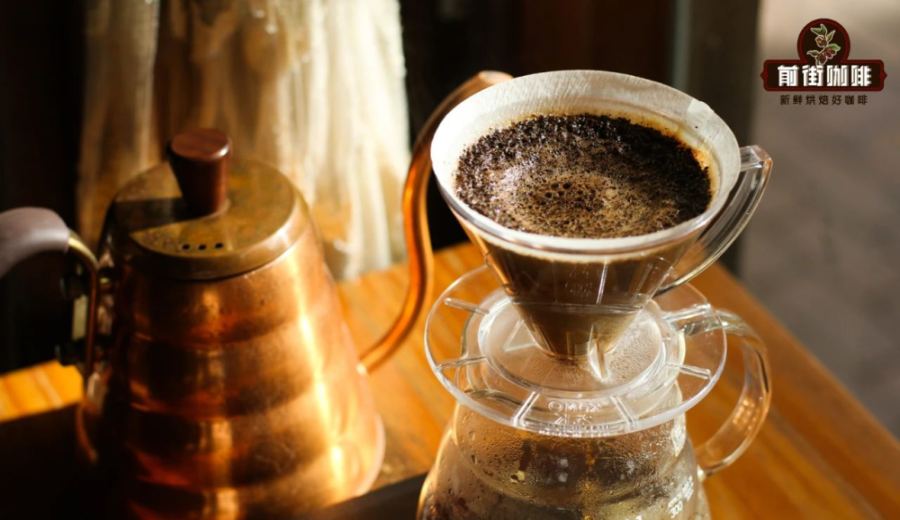
Introduction:Delving into the classic coffee of Indonesia’s Sumatra region—Golden Mandheling—this article will guide you through the key pour over extraction parameters for Mandheling, including coffee-to-water ratio, grind size, water temperature, and filter choice. It also analyzes how the three-pour technique influences flavor expression. Whether you’re a beginner or an advanced pour over enthusiast, you’ll learn how to highlight Mandheling’s rich body and layered aromas, such as nuts, chocolate, and caramel aftertaste.
Mandheling coffee originates from Sumatra, Indonesia, and is renowned for its bold, full-bodied taste and distinctive herbal, nutty, and chocolatey aromas. In particular, Golden Mandheling, as one of the representative varieties of the region, stands out with its rich layers and high sweetness, making it a must-try classic bean for pour over lovers. This article takes Golden Mandheling as an example, detailing the ideal coffee-to-water ratio, grind setting, water temperature control, filter selection, and practical three-pour technique to help you extract a cleaner, more balanced, and three-dimensional Mandheling while preserving its bold character.
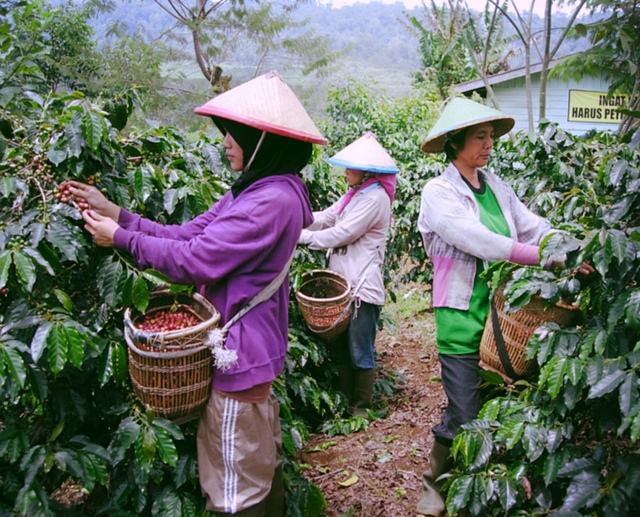
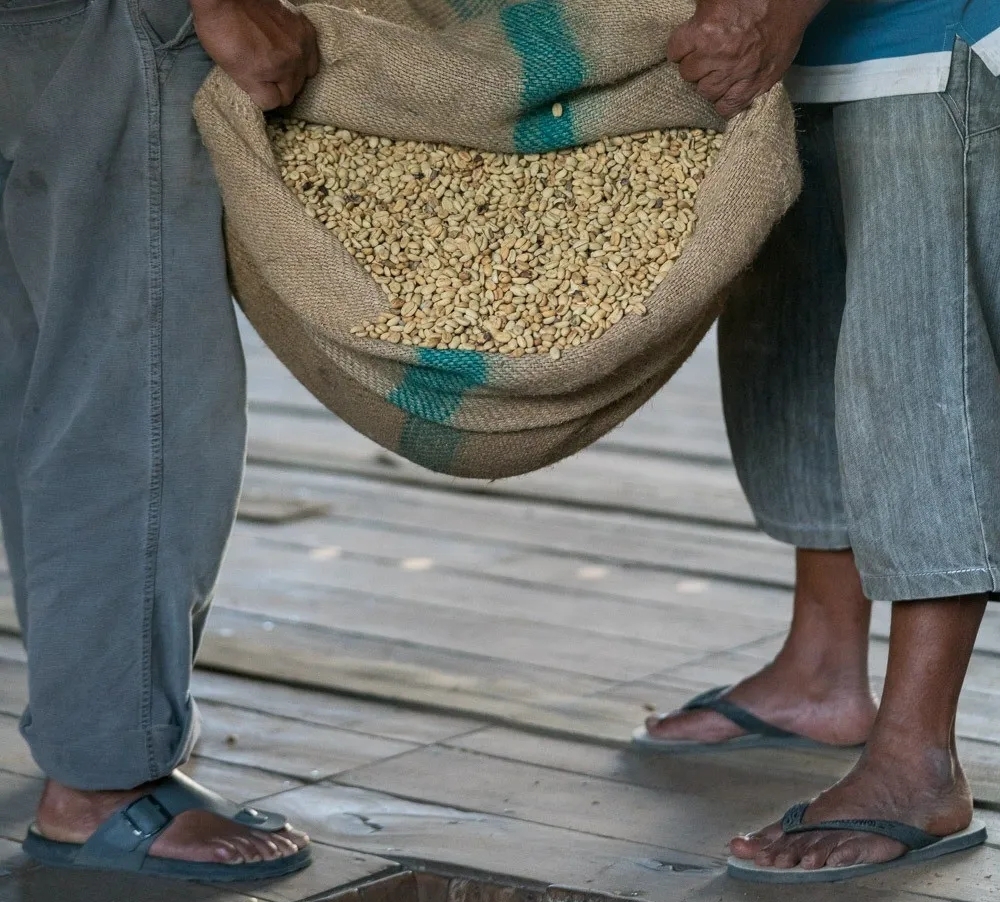
The tropical rainforest climate of Sumatra, along with its year-round humid and rainy environment, makes traditional sun-drying and washed processing difficult to implement. To overcome these limitations, the region developed the unique “wet hulling” method, which not only shortens processing time but also imparts Mandheling’s distinctive earthy and herbal notes. This method significantly compresses the fermentation and drying stages, completing the process in just about four days, which is crucial for shaping its flavor profile.
Golden Mandheling is mainly produced around Lake Toba and Lake Tawar in northern Sumatra, covering the two well-known regions of Lintong and Aceh. It belongs to the Arabica species and, although it accounts for a small proportion of the local total production, it is known for its stable quality and outstanding flavor. Notably, these coffee beans are rigorously selected by PWN, undergoing both machine sorting and three rounds of manual picking to retain only beans with intact appearance and minimal defects, meeting the local highest grade standard of “G1.”
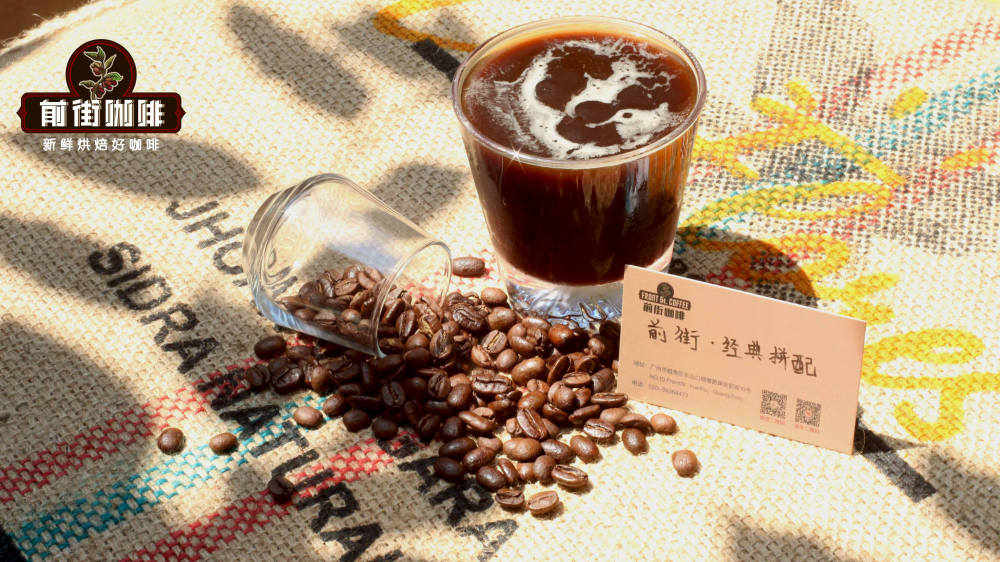
The G1 grade represents extremely high green bean quality, with selection criteria including a bean size of 18 mesh or above, and no more than 3 defective beans in a 300-gram sample. Mandheling beans that pass this grade not only reduce the impact of defects but also showcase a purer, more distinctly sweet flavor profile, forming an important foundation for achieving delicate taste in pour over brewing.
For pour over parameters, it is recommended to use 15 grams of coffee grounds with a 1:15 coffee-to-water ratio, which equates to a total water volume of about 225 milliliters. This ratio balances Mandheling’s characteristic bold body and layered flavors, avoiding over-dilution or excessive extraction that could lead to bitterness.
The grind size is recommended to be in the medium range, with approximately 70% of the grounds passing through a #20 sieve, roughly equivalent to a medium-fine grind. Since Golden Mandheling is typically dark roasted, its internal bean structure is already relatively loose. Grinding too fine can release excessive bitter substances, while grinding too coarse may result in under-extraction and a thin flavor. A moderate grind strikes a balance between aroma release and flavor sustainability.
For water temperature, it is advised to maintain a range of 87–88°C. This range helps fully draw out Mandheling’s aromatic qualities while avoiding the scorched bitterness that can come from overly high temperatures. If the ambient temperature is low or the beans are particularly fresh, you may slightly increase the temperature to 88°C; if you’re concerned about over-extraction, keeping it around 87°C is sufficient.
For filter choice, the KONO filter is recommended. Compared to the commonly used V60, the KONO filter has a smoother inner wall, and its vent hole design along with straight rib structure reduces the rapid gas release of the filter paper, making the coffee extraction process more akin to immersion brewing. This helps prolong the flavor blending time, thereby enhancing overall body and roundness. This filter is also suitable for other medium to dark roasted beans, such as Queen’s Estate or Blue Mountain No.1.
In terms of extraction technique, it is recommended to use the classic three-pour method to bring out the rich aromas and layers of Mandheling:
The first pour involves adding about 30 grams of water—equivalent to twice the coffee dose—for a 30-second bloom. This step aims to evenly saturate all coffee grounds and initiate aroma release. You can observe the coffee bed expanding and the “hamburger effect.” The second pour involves adding about 100 grams of hot water in a circular motion from the center outward. It’s recommended to pour slightly higher to guide the water flow and form a “wall” of coffee grounds along the edges, promoting focused aroma extraction. The final pour adds about 95 grams of water using small circles, primarily to extend the later-stage flavors and enhance the continuity of sweetness and aftertaste.
Combining all the above parameters and techniques, pour over Golden Mandheling can deliver a full-bodied yet clean cup. As the temperature drops, the flavor profile transitions from bold nuts and chocolate to caramel and subtle spicy notes, with a long and rich finish. It is ideal for coffee lovers who enjoy complexity paired with body. By carefully adjusting the coffee-to-water ratio, grind size, and pouring method, you can more precisely capture the unique charm of this classic Sumatran bean.
The above content is compiled by CoffeeHunters, a coffee news website.


