







Introduction:Do you think an iced Americano and an iced latte have similar caffeine content? In fact, the caffeine concentration and total intake of different coffee beverages can vary greatly. This article delves into how caffeine helps ward off drowsiness, compares extraction differences among common brewing methods, and provides precise caffeine data references to help you choose the most suitable pick-me-up drink based on your needs.
Coffee has become a daily necessity for many people to boost their energy, but did you know? Even though it’s all coffee, the caffeine content can differ quite a bit depending on the type and brewing method. Understanding these differences not only helps you choose your energy drink more wisely, but also allows you to adjust your intake based on your own condition.
The reason coffee can keep you awake lies in the "caffeine" it contains. As the time you stay awake increases, your body accumulates a neurotransmitter called "adenosine," which binds to receptors in the brain and makes you feel sleepy. The role of caffeine is to block adenosine from "meeting" these receptors, thereby temporarily "deceiving" the brain and delaying the arrival of fatigue. Therefore, the energizing effect of a cup of coffee is closely related to its caffeine content.
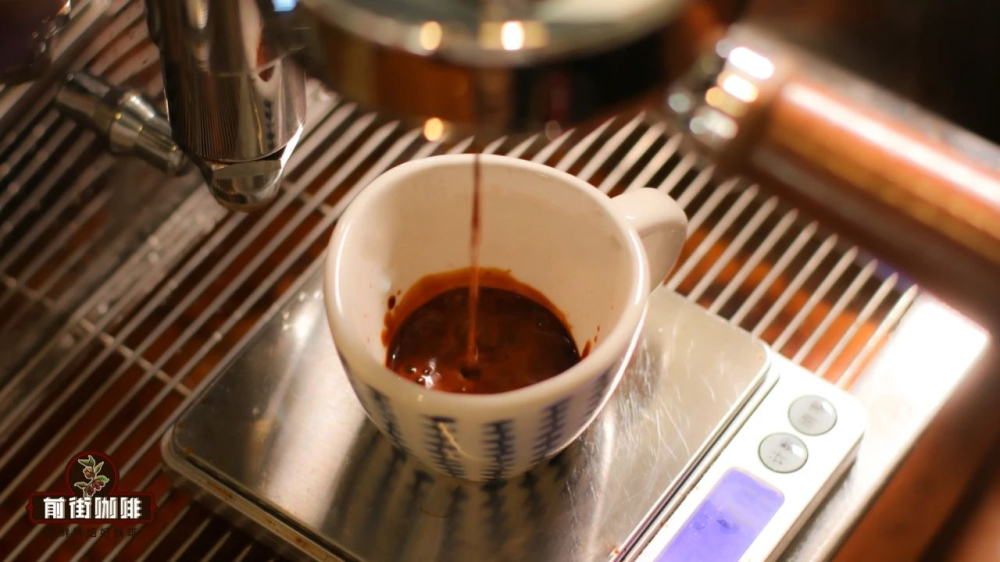
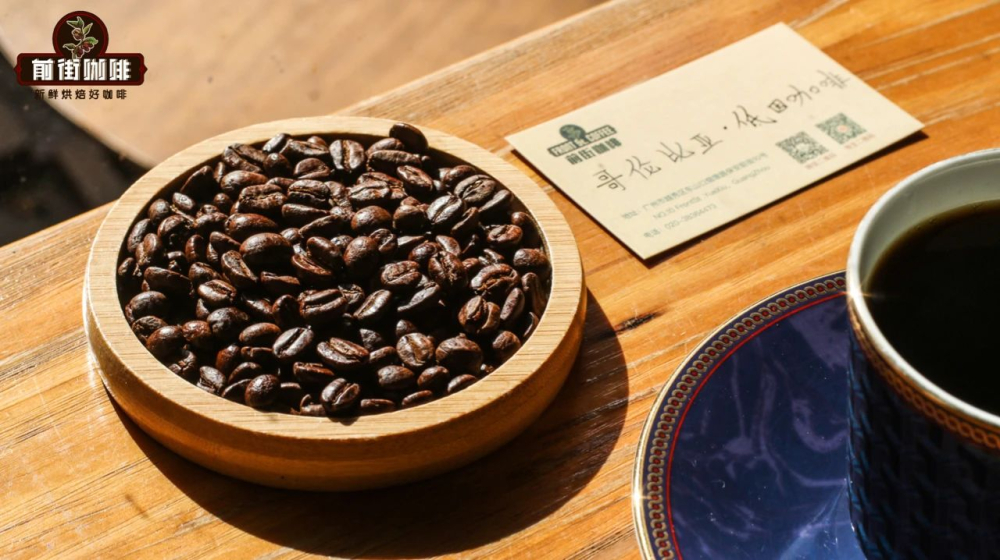
So, which coffees have more caffeine? There are two main factors that affect the final caffeine content of a cup of coffee: the type of coffee beans used, and the brewing method and time. Generally speaking, the coffee beans we commonly see can be divided into two major categories: Robusta and Arabica. Robusta beans naturally have a higher caffeine content, accounting for about 2% to 4% of the bean's weight, mostly around 3%, so the coffee brewed from them usually has a stronger "kick." Arabica beans, on the other hand, have a lower caffeine content, ranging from about 0.9% to 1.4%, commonly around 1.2%. If you’re more sensitive to caffeine, it’s recommended to opt for Arabica beans first; if you want a stronger pick-me-up effect, Robusta will be the more effective choice. Additionally, there are so-called “naturally low-caffeine” Arabica beans on the market, with caffeine content of about half that of regular Arabica, around 0.6%, but still relatively high. If you really want to avoid caffeine altogether, it’s recommended to choose products that have been artificially decaffeinated.
Besides the differences in the coffee beans themselves, different brewing methods can also significantly impact the final caffeine content. First, it’s important to clarify a common misconception: many beverage labels indicate caffeine content per 100 milliliters (mg/100ml), but this representation doesn’t intuitively reflect the total amount you consume when drinking a whole cup. In fact,the total caffeine value of a single shot of espresso remains constant regardless of how much water or milk is added afterward. For example, pouring a single shot of espresso into 200 milliliters of water versus 300 milliliters of water—while the 200 ml cup may seem more concentrated in terms of "strength," if you drink both cups entirely, the actual total caffeine intake is exactly the same.
Additionally, the brewing time is also a key variable. Under high-temperature conditions, the longer the extraction time, the more caffeine is released. Therefore, many people assume that "espresso" has the highest caffeine content, but that’s not necessarily the case. Methods such as pour over, French press, cold brew, and even ice drip, due to longer contact times, often release more caffeine. For instance, a French press using 20 grams of coffee grounds steeped for about 4 minutes can yield about 135 milligrams of caffeine; ice drip coffee using 20 grams of grounds, 200 milliliters of liquid, and extracted over 8 hours also yields about 135 milligrams of caffeine; while cold brew coffee under similar conditions (12-hour extraction) can reach about 140 milligrams.
Below are the caffeine content references for several common coffee beverages (all based on Arabica beans, with cold brew and ice drip calculated under specific time conditions):
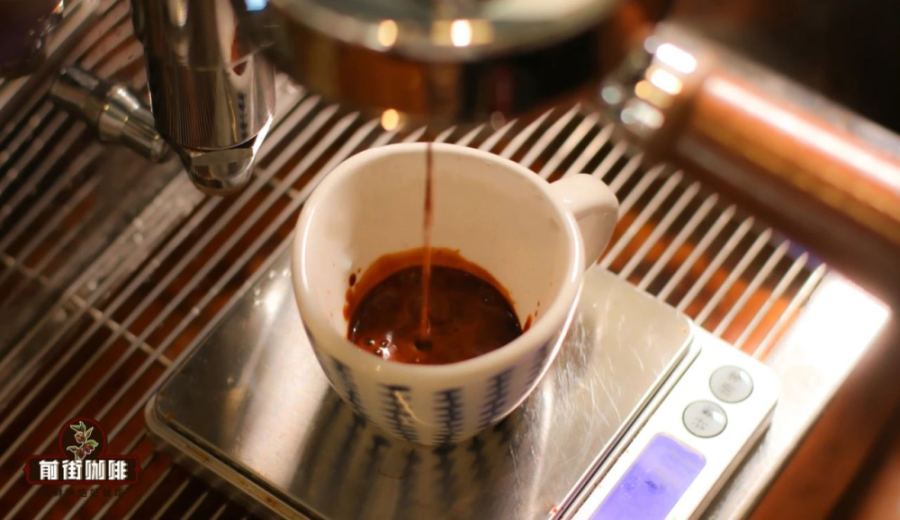
• Espresso (using 20 grams of coffee grounds, extracting 40 grams of espresso): about 100 milligrams
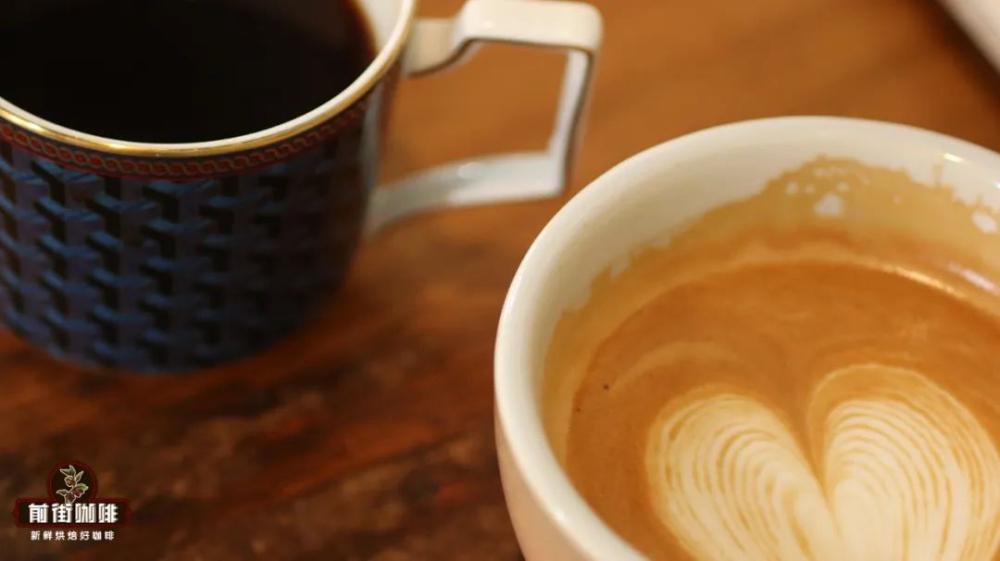
• Latte, Americano, Cappuccino (using the same espresso base): about 100 milligrams
• Pour over coffee (15 grams of grounds / 195 milliliters): about 90 milligrams
• Pour over coffee (20 grams of grounds / 260 milliliters): about 120 milligrams
• French press (20 grams of grounds / steeped for 4 minutes): about 135 milligrams
• Ice drip coffee (20 grams of grounds / 200 milliliters / 8 hours): about 135 milligrams
• Cold brew coffee (20 grams of grounds / 200 milliliters / 12 hours): about 140 milligrams
• Drip bag coffee (10 grams of grounds / 120 milliliters): about 50 milligrams
• Instant coffee (one packet): about 50 milligrams
Seeing this, you might wonder: Which has more caffeine, iced Americano or iced latte? The answer is—If both use the same amount of coffee liquid (for example, a single shot of espresso), then their total caffeine content is roughly the same. The difference mainly lies in the fact that the iced latte includes a lot of milk, which dilutes the coffee flavor and can easily make one assume that it has 'less caffeine,' but the total intake does not actually decrease. If you're seeking a stronger pick-me-up, you can opt for brewing methods without milk and with higher caffeine, such as an Americano made with a double shot of espresso, or using Robusta beans for pour over—both can help you feel more alert.
In summary, choosing coffee with a caffeine content that suits your own needs is more important than blindly pursuing "the bitter, the better." Whether you’re a working professional needing a quick wake-up in the morning, or someone trying to fight the afternoon slump with black coffee, understanding the sources and differences in caffeine among various coffee beverages can help you make smarter choices. Next time you order coffee, perhaps you can pick a truly suitable pick-me-up drink based on today’s information.
The above content is compiled by CoffeeHunters, a coffee news website.


