







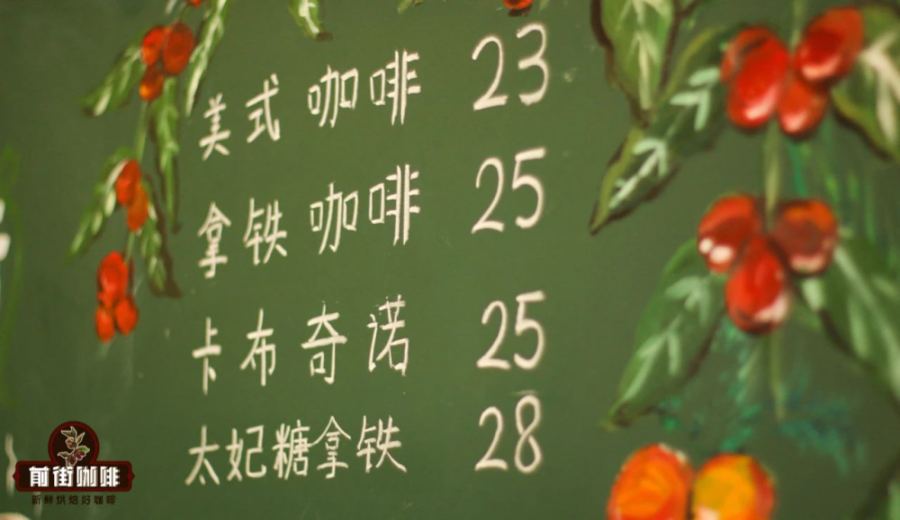
Introduction:The relationship between espresso and Americano often confuses beginners. This article will guide you through how different coffee-to-water ratios can be used to create black coffees with varying flavor profiles starting from an espresso base. We’ll explore the practical brewing range of 1:4 to 1:8 and discuss the key differences between espresso and Americano in terms of extraction parameters, bean selection, and flavor expression—helping you find the coffee recipe that best suits your palate.
When walking into a café, many newcomers may find the menu design puzzling: why is Americano listed under espresso-based drinks? In fact, there are two mainstream ways to prepare Americano—one is made using a traditional drip coffee machine, and the other is created by diluting espresso with water. Nowadays, most Americanos on the market are made by adding water to espresso, which is also the method adopted by most cafés.
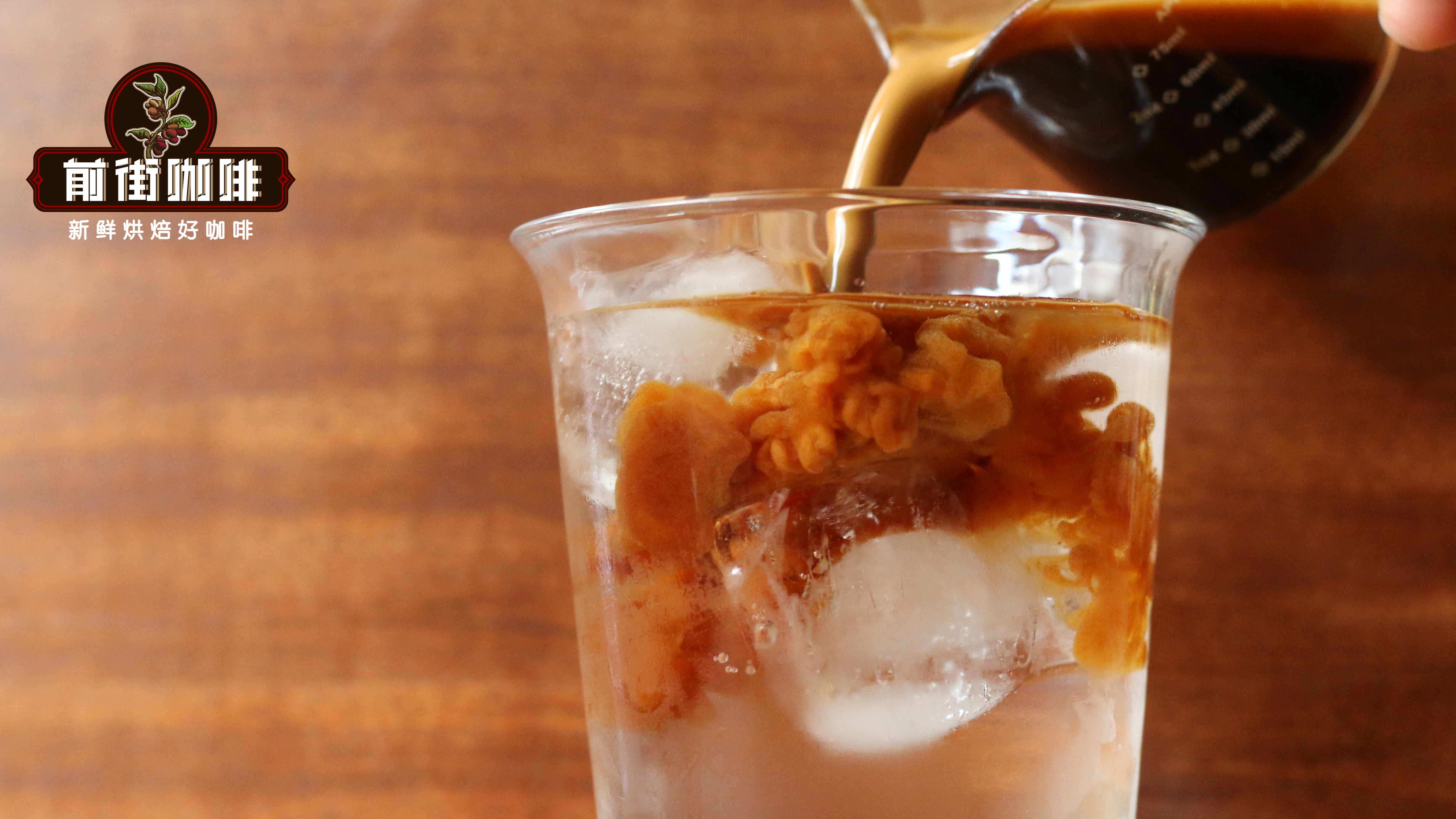
So, how much water should you add to espresso to avoid it being too bitter while still preserving the original flavors of the coffee? In practice, the common coffee-to-water ratio for hot Americano is 1:4, while for iced Americano—if you account for the volume of ice—the ratio is usually adjusted to 1:8. This range can be flexibly fine-tuned based on personal taste. Additionally, the extraction quality of the espresso and the flavor characteristics of the beans also significantly impact the final outcome of the Americano.
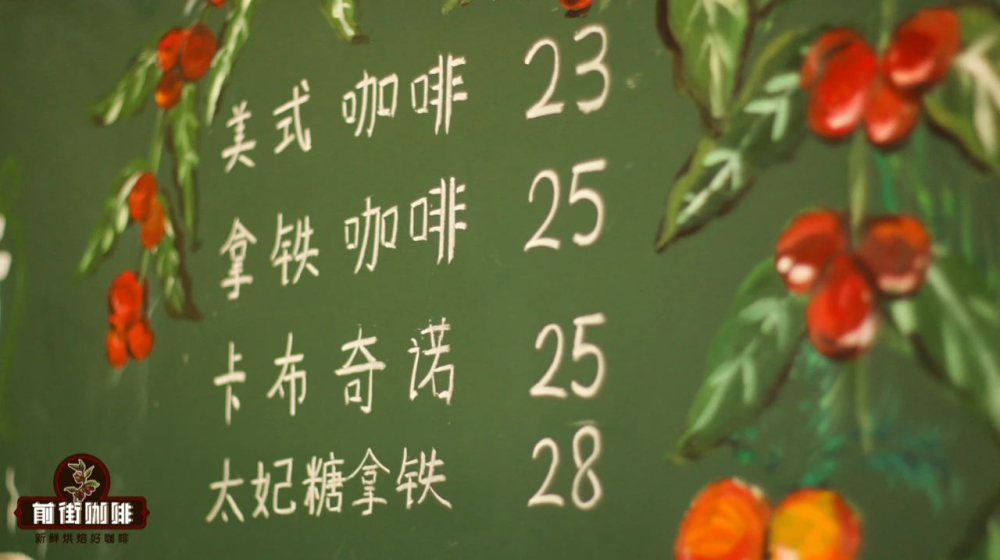
Many first-time coffee drinkers often ask: “What exactly is espresso? And how is it different from Americano?” In fact, espresso refers to the concentrated base extracted using an espresso machine under high pressure, while Americano is commonly defined as the result of diluting this espresso base with water. This method of adjusting espresso with water originated during World War II when American soldiers in Europe first encountered espresso. Finding its flavor too intense, they added hot water themselves to create a taste closer to what they were used to. Europeans then jokingly referred to this adjusted coffee as “Americano.”
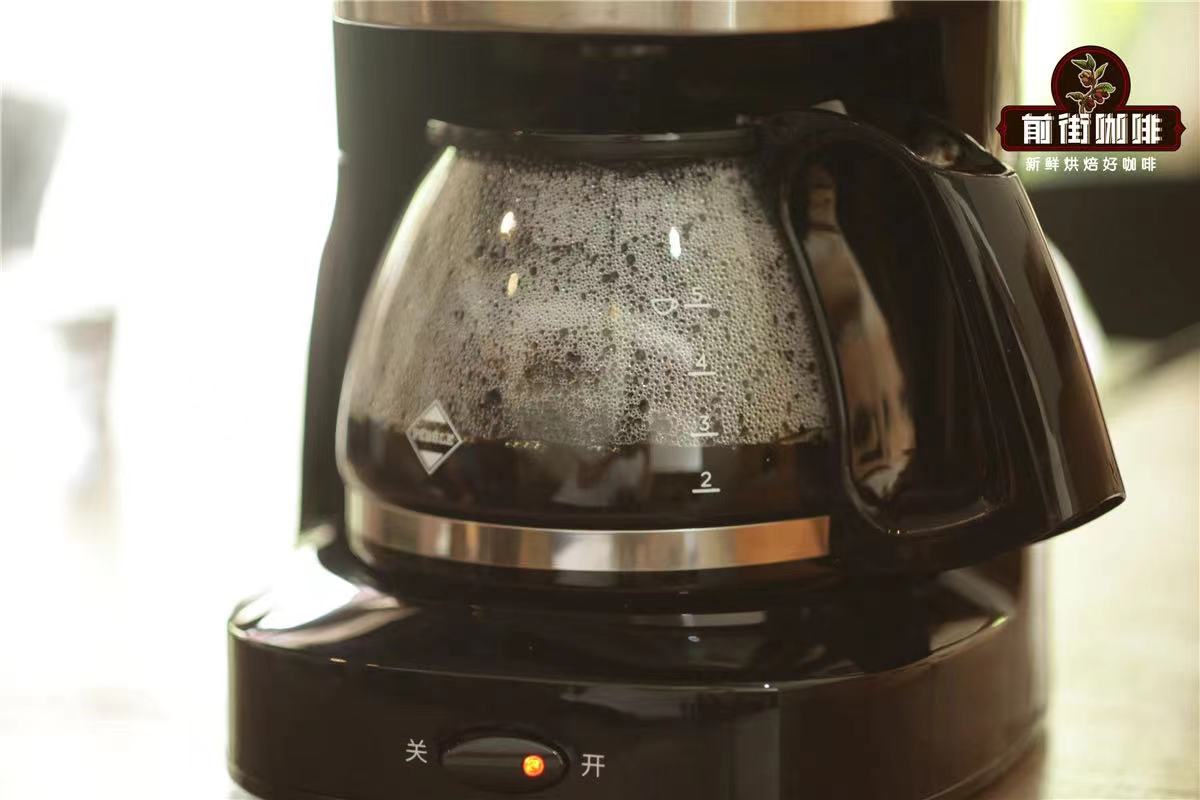
As for traditional drip-style Americano, it is made using a drip machine that evenly saturates the coffee grounds with hot water, slowly filtering out the coffee liquid. These machines are simple to operate, usually requiring just three steps: adding the appropriate amount of coffee grounds, filling the water tank, and pressing the start button. A recommended coffee-to-water ratio to begin with is 1:20, with the overall extraction time typically falling between 5 to 8 minutes. However, this type of coffee differs significantly in flavor structure from the espresso-diluted Americano commonly found in today’s cafés.
Focusing on espresso itself, its standard extraction parameters are typically: using 7 to 9 grams of coffee grounds, extracting 14 to 18 grams of coffee liquid under approximately 92°C water temperature and 9 bar pressure, with the entire process taking about 25 to 30 seconds. In practice, a double shot of espresso is used as the base, hence around 19.5 to 20 grams of coffee grounds are used, with the extraction time controlled at around 28 seconds, yielding approximately 35 grams of espresso liquid.
The extraction quality of espresso is key to determining the final flavor profile of the drink, and it can even be enjoyed on its own as a standalone beverage. Abroad, Espresso is itself a classic coffee and has inspired many variations. The performance of espresso is closely related to the espresso blend used. Taking the currently popular Warm Sun blend as an example, this bean combines Honduran Sherry and Ethiopian Red Cherry, delivering a noticeable fermentation note, a brighter and livelier acidity, a clear chocolate tone, and a rich mouthfeel—making it ideal for those who enjoy layered, complex black coffees.
The use of blends actually stems from the historical background of inconsistent espresso quality in the early days. To achieve balanced flavor and stable output, producers would mix coffee beans from different regions. Blending strategies can also cater to diverse consumer taste preferences and reduce the impact of climate or harvest variations in a single origin on flavor. Therefore, selecting the right blend is a crucial factor influencing the performance of both espresso and Americano.
Returning to the preparation of Americano, if we take the hot version as an example, the common ratio of coffee liquid to water is 1:4; for iced Americano—if considering the space taken up by ice—the ratio is often adjusted to 1:8. In reality, this ratio can be fine-tuned based on personal preference. It is recommended that beginners start with a baseline of 1:4 to 1:8, then adjust the water volume according to taste. The key lies in using the coffee-to-water ratio to effectively adjust the intensity and flavor release of the espresso, helping you find your own balance point.
As for the question, “Which is better tasting—espresso or Americano?” there is no absolute answer. If you don’t enjoy the strong intensity of pure black coffee, many people lean toward milk-based coffee drinks like lattes or cappuccinos, where milk softens the bitterness of the coffee and creates a rich layering effect with the espresso base. For those who can appreciate the nuanced flavors of black coffee, Americano better showcases the regional characteristics and processing method flavors inherent in the beans.
Additionally, the so-called SOE (Single Origin Espresso) coffee is also commonly seen on the market—this is espresso made using beans from a single origin, aiming to highlight the unique flavor characteristics of that region. However, not all SOEs are suitable for making milk-based coffee; some intense profiles might mask the delicate flavors of the coffee. Therefore, selection should still depend on the characteristics of the specific bean and personal preference.
The above content is compiled by CoffeeHunters, a coffee news website.


