







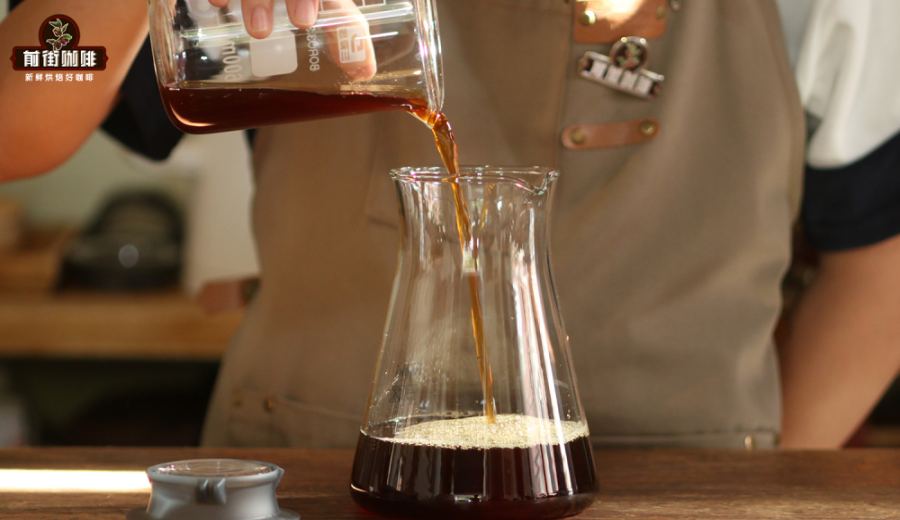
Introduction:Cold brew coffee is extracted by steeping coffee grounds in cold water for an extended period of time, resulting in a smoother flavor with a more balanced acidity and sweetness compared to hot brewed coffee. This guide delves into the key aspects of making cold brew, breaking down the logic behind each parameter — from suitable coffee bean types and grind size, to coffee-to-water ratio and steeping time. It also includes practical tips and answers to common questions to help you easily master this beloved iced coffee method.
Cold brew coffee is a brewing method that involves steeping coffee grounds in cold water for a long time. Its most distinctive feature is its soft flavor and balanced acidity and sweetness, which presents a completely different taste profile compared to traditionally hot-brewed coffee. This method is not only simple to operate but also better highlights the fruitiness and sweetness inherent in the coffee, making it highly favored by coffee lovers who prefer a refreshing taste.
Cold brew coffee can generally be divided into two main types: cold steeped coffee and cold drip coffee. The former involves steeping coffee grounds together with cold water, while the latter uses a dripping device that allows water to slowly drip through a bed of coffee grounds to achieve extraction. It’s important to note that if hot water is used during the process, even if the name is similar, it no longer falls under the category of cold brew. Cold brew must be kept in a low-temperature environment throughout, typically between 4 to 10°C, to ensure optimal extraction quality.
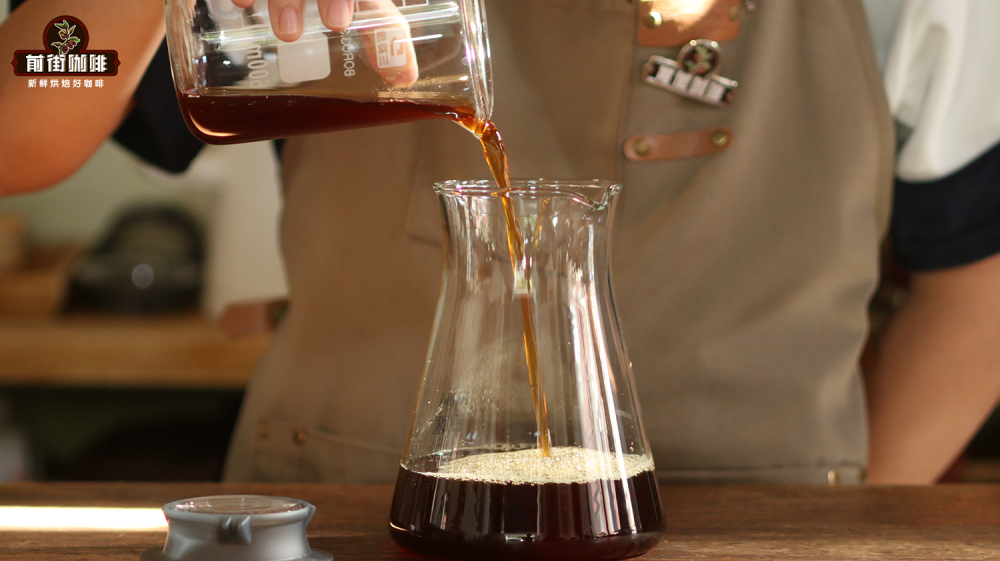
Due to the lower extraction efficiency in a cold environment, bitter substances are less likely to be released, which instead helps fully extract flavor compounds such as sugars and organic acids. This results in cold brew coffee achieving a more harmonious balance in acidity, sweetness, and body. If you’re looking for a great iced coffee option for the summer, cold brew is definitely a solid choice.
To make a cup of cold brew coffee with excellent flavor, the key lies in mastering the following core parameters: coffee bean selection, grind size, steeping time, and coffee-to-water ratio. These elements not only affect the final taste but also determine whether you can achieve satisfying results on your first try.
When selecting coffee beans, it is recommended to prioritize single-origin beans with medium to light roasts. Compared to medium to dark roasts, medium to light roasts offer a higher margin for error and more easily showcase a refreshing fruity aroma and a well-balanced acidity and sweetness. Many commercially available coffee beans labeled as suitable for pour over can actually also be used for cold brew. If you prefer a clean, juice-like flavor, you can choose lightly roasted washed beans, such as Ethiopia Yirgacheffe or Kenya AA; if you enjoy more intense fruitiness and wine-like notes, you might try beans that have undergone wine barrel aging or honey processing, such as Colombia Rose Valley, Honduras Sherry, or the strawberry-sugar-flavored Geisha blend. If you are more sensitive to acidity, you can also opt for beans with a more neutral, full-bodied, and balanced flavor profile, such as Papua New Guinea Bird of Paradise.
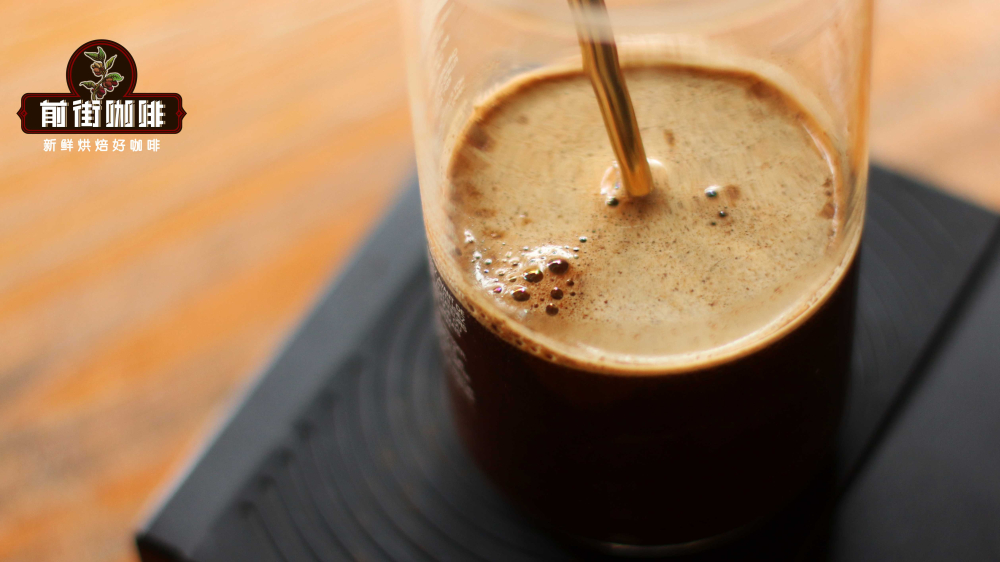
Regarding grind size, since cold brew is performed at low temperatures, the extraction speed is relatively slow. Therefore, the grind doesn’t need to be as fine as for pour over, but it is still recommended to stay within the medium-fine range. In practice, the grind can be set to pass through a #20 sieve at about 75% to 80%, visually similar to the coarseness of fine sugar. If using an EK43s grinder, adjust to a setting of 9.5 to 10; for hand grinders like the C40, it would be around 22 to 26 clicks. This range of grind ensures sufficient extraction surface area without being too fine, which could lead to over-extraction or excessive sediment.
Steeping time is one of the key factors influencing the flavor of cold brew. Due to the limited extraction efficiency in a low-temperature environment, it usually takes a longer time to fully release the aroma and flavor compounds of the coffee. The recommended steeping time range is 8 to 18 hours, with 12 hours often cited by many baristas as the golden standard. Experiments have shown that when the steeping time is only 6 hours, the coffee flavor tends to be thin and lacks aroma; extending it to 24 hours can easily result in over-extracted bitterness. Based on various tests, a steeping time of 10 to 16 hours often achieves the best flavor balance — rich aroma and a full-bodied taste.
Coffee-to-water ratio is also crucial in determining the concentration and taste of cold brew coffee. The recommended ratio range is 1:10 to 1:13, meaning 1 gram of coffee grounds to 10 to 13 milliliters of water. If the ratio is too high, the coffee may become overly strong, in which case you can dilute it by adding ice or cold water. Conversely, if the ratio is too low, the coffee flavor may end up too weak. It is recommended to fine-tune according to your personal taste preference.
For actual preparation, all you need is a clean, sealable container. Add the ground coffee and cold water into the container, stir gently to ensure even mixing, then seal it and place it in the refrigerator to steep. Taking the common example of 40 grams of coffee grounds and 480 milliliters of cold water, it is suggested to grind to about an 85% passing rate through a #20 sieve. After stirring evenly, cover with a lid and further seal with plastic wrap to prevent odor contamination. Let it refrigerate for approximately 12 hours, then filter and enjoy a clear and smooth cold brew coffee. If you desire a more concentrated flavor, you can refrigerate the filtered coffee liquid for an additional 4 hours, which will make the flavor layers even more pronounced.
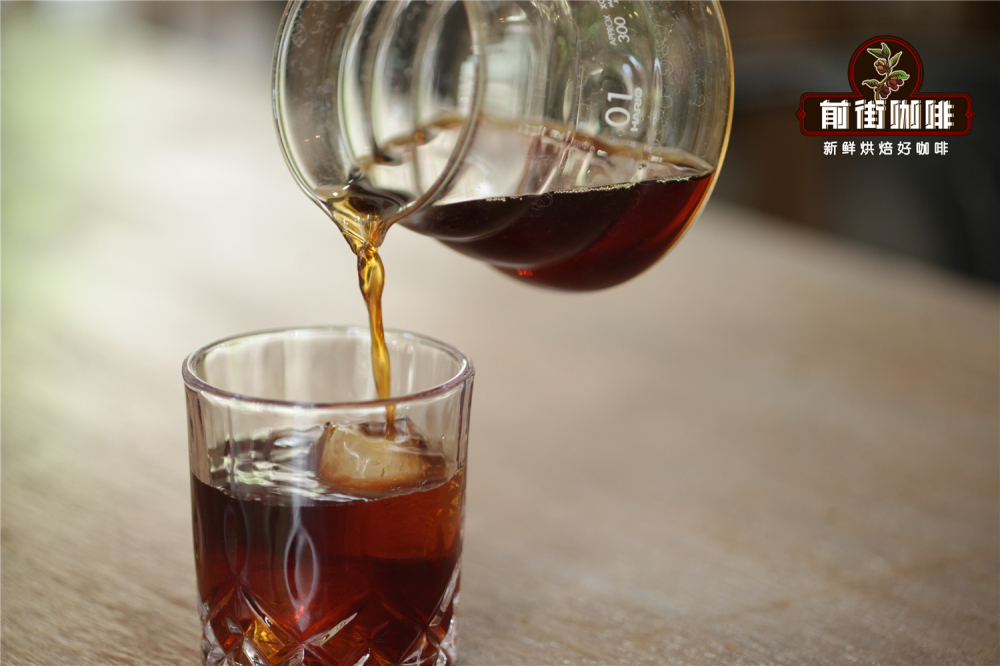
Whether you’re making cold brew or cold drip, due to the characteristics of low-temperature extraction, it is recommended to consume the coffee as soon as possible after preparation to ensure the best flavor and food safety. Generally speaking, it is advisable to finish it within 5 days of preparation to enjoy the most ideal tasting experience.
The above content is compiled by CoffeeHunters, a coffee news website.


