







Introduction:On hot summer days, refreshing cold drip coffee has become the go-to choice for many coffee enthusiasts. But do you know why it tends to be more expensive, time-consuming, and labor-intensive? This article delves into the brewing principles behind cold drip coffee, the time it takes, the structure of its specialized equipment, the ideal coffee-to-water ratio, which coffee bean varieties best highlight its unique flavors, and the importance of low-temperature aging. By the end, you’ll understand not only why cold drip tastes so good, but also why it comes with a higher price tag.
As temperatures rise, more and more cafes are offering cold drip coffee. This cold-brewed beverage, known for its distinct flavor and refreshing taste, is gradually becoming a popular drink in the summer season. However, compared to the commonly seen iced Americano, cold drip often comes with a significantly higher price. So, what’s the difference? Beyond the brewing method, the underlying extraction logic, time required, and bean selection all play key roles.
Generally speaking, the iced coffee available on the market falls into two main categories: one is brewed with hot water and then cooled down, such as iced Americano and iced pour over; the other involves slow extraction using room temperature or cold water, such as cold drip and cold brew. Among these, cold drip is the most representative form of low-temperature dynamic extraction, requiring specialized equipment, precise control, and ample patience to produce a cup of uniquely flavored cold drip coffee.
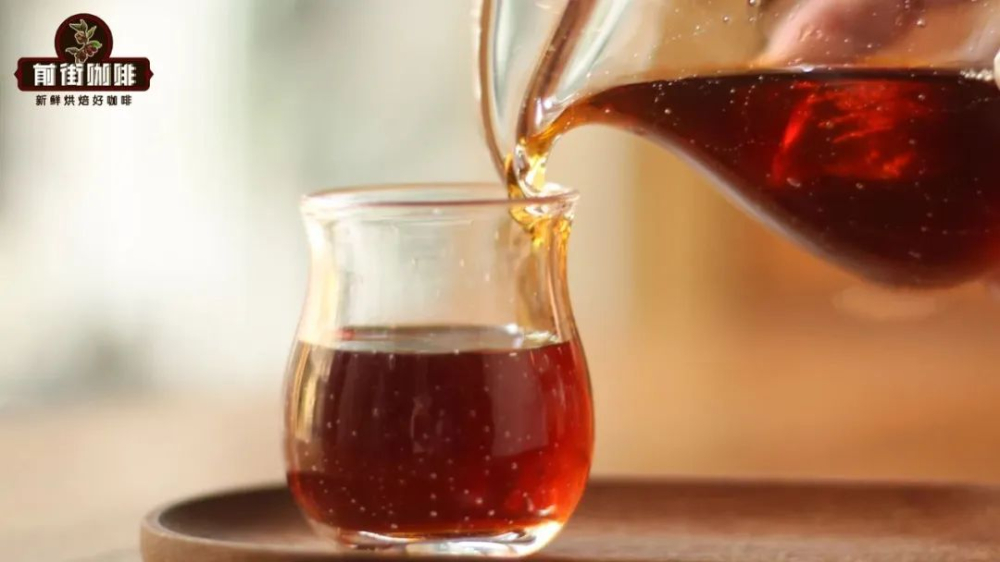
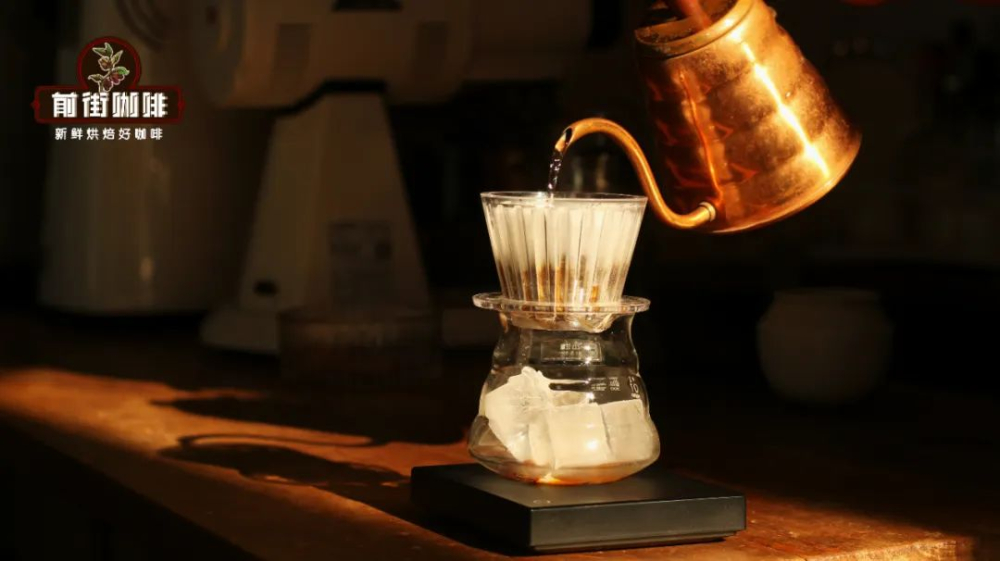
The production of cold drip coffee relies on a dedicated cold drip kettle. While there are numerous models on the market, ranging from budget-friendly to high-end, their basic structures are largely similar and consist of three main parts: the top chamber stores the ice water and controls the dripping speed via a valve, the middle section holds the coffee grounds in a filter, and the bottom part collects the extracted coffee liquid. The ice water slowly drips from the top chamber, passes through the layer of coffee grounds, and gradually extracts the flavor compounds, ultimately forming the coffee liquid.
Taking a common setup as an example, they use the Tiamo HG2713 three-tier cold drip kettle, paired with a 1:10 coffee-to-water ratio—that is, 60 grams of coffee grounds are used to extract 600 milliliters of coffee liquid. Throughout the dripping process, the ice water drips at a rate of approximately 7 to 8 drops every 10 seconds. Depending on the ambient temperature and equipment condition, the valve may sometimes need to be manually adjusted to prevent clogging or irregular dripping. As a result, the entire extraction process usually takes between 5 to 8 hours, though it may take longer if the dripping speed is particularly slow.
Unlike static cold brew, cold drip is a form of dynamic extraction, meaning the ice water continuously flows through the coffee grounds rather than being left to soak in the same batch. This results in a clearer, cleaner-tasting coffee liquid with relatively less bitterness. Additionally, since the entire process occurs slowly in a low-temperature environment, it can more effectively preserve the delicate aromatic compounds in the coffee while reducing the risk of over-extraction.

Once the dripping process is complete, it doesn’t mean the cold drip coffee is ready to drink right away. There is another important step — “low-temperature aging.” The extracted coffee liquid is transferred into a clean, sealed glass bottle and refrigerated for at least 8 hours, sometimes even up to 12 hours or more. This period of resting and fermentation reaction imparts the unique and captivating fermented wine-like aroma to the cold drip — the so-called “cold drip flavor” that many people refer to. It is an indispensable part of the overall flavor profile.
Overall, from the start of dripping to the final drinkable product, making a 600-milliliter pot of cold drip coffee takes approximately 10 to 12 hours, or even longer. As a result, many cafes adopt a reservation-based sales model to ensure quality and stable supply. Even for those that offer cold drip without reservations, the flavor profile may vary slightly from batch to batch.
As for bean selection, since cold drip emphasizes subtle flavors and a sense of fermentation, it is recommended to prioritize single-origin beans with pronounced floral, fruity, or wine-like characteristics—such as high-quality Arabica beans from Africa or Central and South America. These beans can showcase richer layers during low-temperature slow extraction and aging, with bright acidity and a fruity wine-like aftertaste, delivering a refreshing yet full-bodied overall flavor.
Another factor contributing to the price of cold drip is the amount of coffee grounds used. For example, in actual production, a 200-milliliter cup of cold drip typically comes from 600 milliliters of coffee liquid extracted using 60 grams of coffee grounds, which can be divided into 3 servings; whereas the same amount of grounds used for pour over might yield 4 cups with 15-gram outputs each. Therefore, the ingredient cost of cold drip is relatively higher, and when combined with the time required and the need for specialized equipment, the final retail price is naturally more expensive than regular iced coffee.
Of course, price isn’t always an absolute indicator of quality. There are also many high-value, affordable cold drip options on the market. As long as the beans are fresh and the extraction parameters are properly set, they can still deliver captivating flavor profiles. For consumers, when choosing cold drip, it’s a good idea to pay attention to the bean variety used by the shop, the processing method, and whether there is clear information about the production process. These factors can help you find the cold drip coffee that best suits your taste.
The above content is compiled by CoffeeHunters, a coffee news website.


