







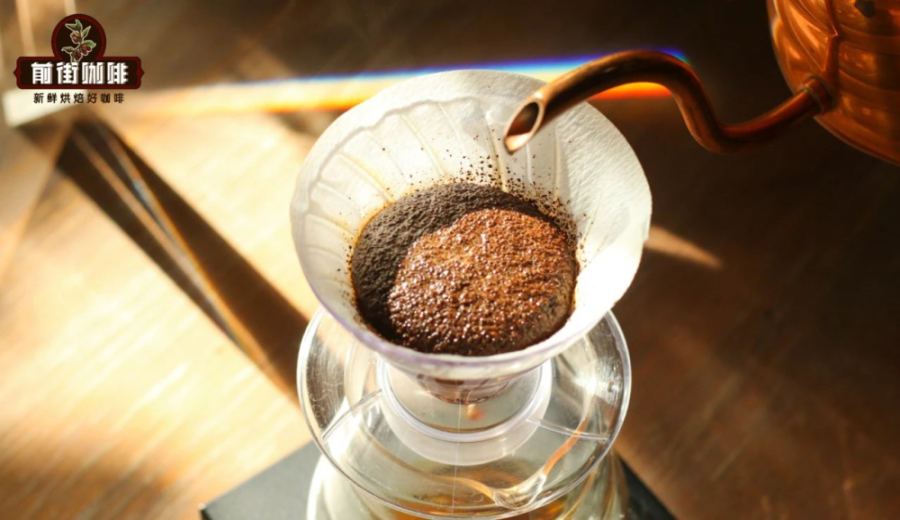
Introduction:Mastering the coffee-to-water ratio in pour over brewing is one of the keys to consistently extracting your desired flavors. This article delves into how different ratios (1:14, 1:15, 1:16) affect coffee strength, extraction yield, and flavor profile, and provides specific reference ratios for medium-dark, medium, and medium-light roasted beans. Through practical examples and detailed techniques, it helps you adjust your brewing method to suit your personal taste preferences.
In the process of making pour over coffee, numerous factors influence the final flavor—aside from the origin, roast level, and grind size of the coffee beans, the coffee-to-water ratio is another crucial variable that should not be overlooked. The coffee-to-water ratio refers to the proportion of coffee grounds to the total volume of water used, and this value directly impacts the strength of the coffee, whether extraction is adequate, and the overall flavor profile that emerges.
For example, when you use more water to brew the same amount of coffee grounds, although more soluble substances are extracted, it may also lead to overly diluted flavors; conversely, if too little water is used, the coffee may be strong but prone to over-extraction, resulting in bitterness and astringency. Therefore, finding an appropriate coffee-to-water ratio is key to ensuring that each cup of pour over coffee achieves balanced flavors.
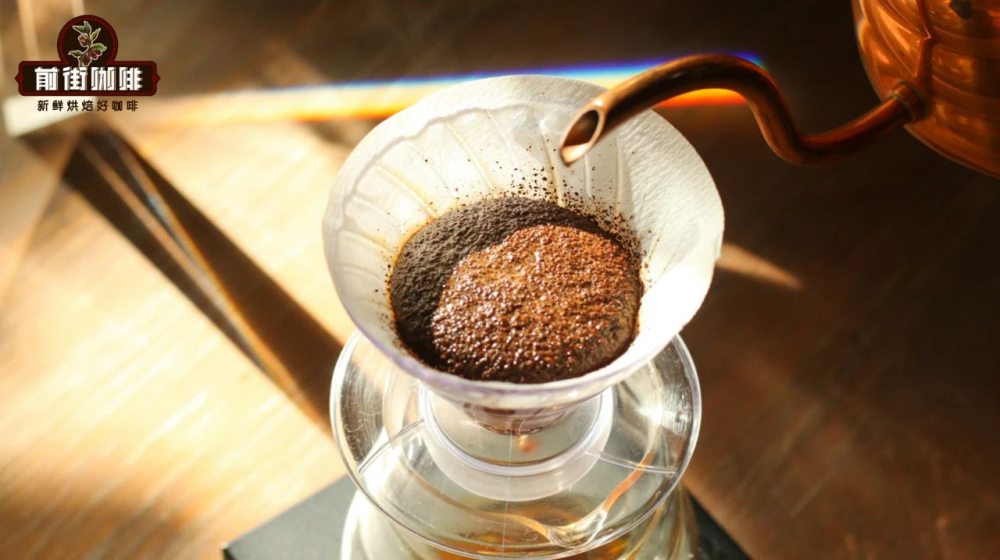
According to research by the Specialty Coffee Association (SCA), about 30% of the compounds in coffee beans are water-soluble, and an extraction yield between 18% and 22% is generally considered the optimal range for achieving desirable flavors. Once this range is exceeded, the coffee may become harsh or unpleasant to drink. Therefore, while keeping other variables (such as water temperature and grind size) constant, adjusting the amount of water poured (i.e., changing the coffee-to-water ratio) becomes the most direct way to control extraction and strength.
Commonly recommended pour over coffee-to-water ratios generally fall between 1:14 and 1:16. These three ratios correspond to different roast levels and desired flavor directions:1:14Often used for medium-dark roasted beans, emphasizing bold and full-bodied mouthfeel;1:15Is suitable for medium roasted beans, balancing fruity notes with body; while1:16Is often applied to medium-light roasted beans, highlighting bright acidity and floral-fruit characteristics.
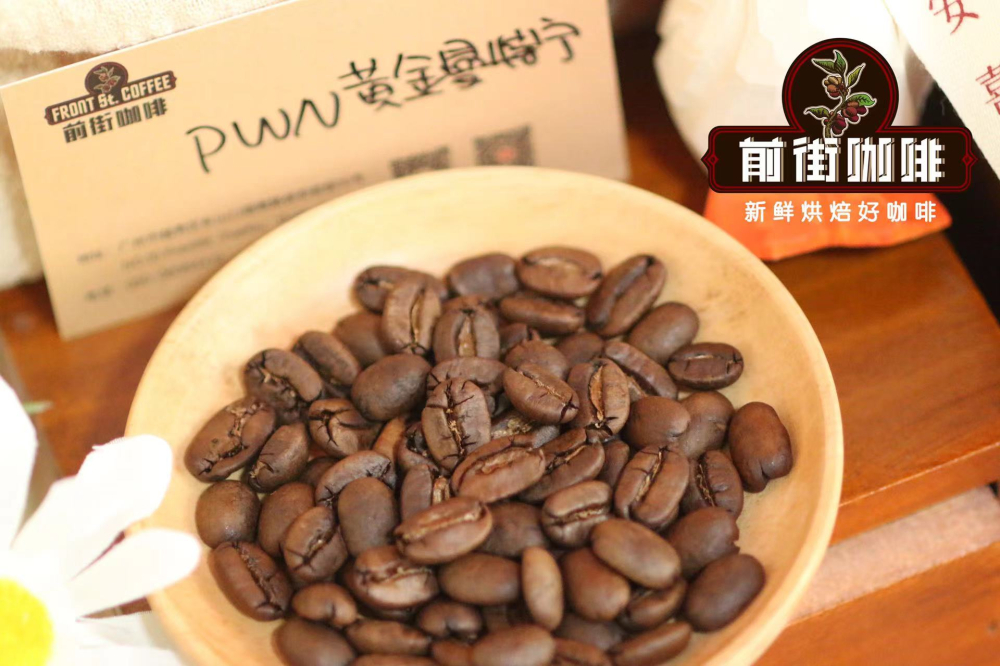
Taking medium-dark roasted beans as an example, such as Indonesia’s Golden Mandheling, using a 1:14 ratio allows its rich chocolate and black sugar base to fully shine, accompanied by layers of spice, pine, and caramel, resulting in a dense mouthfeel with notable sweetness, and almost no perceivable acidity. As the coffee cools, the initial bitterness gradually softens, leaving a long-lasting aftertaste with a sweet finish.
If you’re using medium roasted beans, such as Colombia’s Sidamo variety, a 1:15 ratio is recommended. This ratio helps balance the fruitiness and body of the coffee—for instance, common notes like passion fruit, grape, and apricot can be clearly presented at a moderate strength, neither overly sharp nor lacking in complexity. For example, using 15 grams of coffee grounds with a total water volume of 225 milliliters is a practical application of the 1:15 ratio.
As for medium-light roasted beans, a 1:16 ratio is suggested. These beans typically have higher acidity and bright citrus or floral notes—for example, some African origin beans. Using more water results in a cleaner, more refreshing cup, avoiding excessive intensity, and allowing delicate floral, lemon, or grapefruit elements to be more easily discerned. This brewing approach is especially suitable for those who prefer bright, clean flavors and nuanced tasting experiences.
Next, we’ll use the classic medium-dark roasted bean—Golden Mandheling—as an example, demonstrating how to use a 1:14 ratio for pour over brewing. We’ll guide you step-by-step through bean selection, grinding, and pouring, helping you master the key details.
First, selecting freshly roasted coffee beans is essential. The flavor of coffee beans changes over time and with storage conditions, so it’s recommended to use beans roasted within five days for the best aroma and vibrancy. Golden Mandheling is a medium-dark roast with pronounced nutty and chocolatey notes, so a medium-low water temperature of around 86–88°C is advised to avoid over-extraction, which could bring out excessive bitterness.
For brewing equipment, you can choose a V60 or KONO filter cone, which offers stable flow rate and even extraction, helping to produce a more balanced cup. Specific recommended parameters are as follows: 15 grams of coffee, 1:14 ratio (total water volume 210 grams), medium-coarse grind size (approximately 70% extraction through a standard Chinese No. 20 sieve), and water temperature controlled around 87°C.
In practice, start by wetting the filter paper with hot water to seal the filter cone and preheat your equipment. After placing the coffee grounds in the filter, pour 30 grams of hot water for a 30-second bloom to awaken the aromas. Then, pour water in small circles from the center outward. When the total water volume reaches 105 grams, perform the first pour pause, wait for the coffee bed to settle slightly, then continue pouring until you reach 210 grams, allowing the drip to finish.
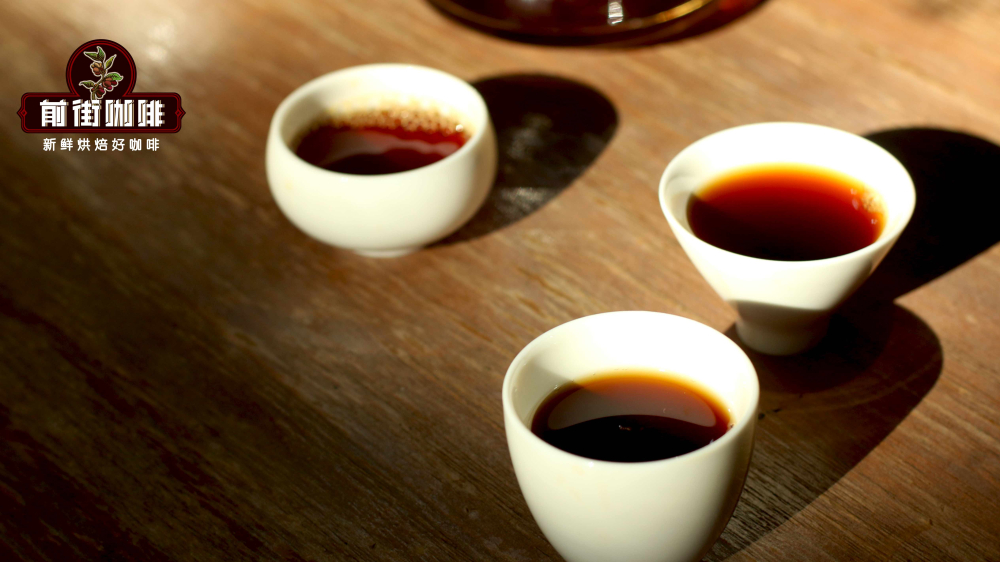
The resulting Golden Mandheling brewed this way will present clear woody and caramel aromas when hot. On the palate, it has a rich mouthfeel, with distinct layers of dark chocolate, spices, cream, pine, and caramel, extremely low acidity, and a smooth, rounded overall profile. As it cools, the bitterness softens, and the aftertaste lingers with a lasting sweetness and afterglow, reminiscent of sipping aged Pu’er tea—an experience that lingers delightfully.
The above content is compiled by CoffeeHunters, a coffee news website.


