








Introduction:Delve into the world’s renowned specialty coffee regions, from high-altitude Africa to the climatically diverse Asia. Each region, shaped by its geographical environment, processing methods, and varietal characteristics, produces uniquely flavored coffee beans. This article highlights ten globally significant coffee-producing regions, detailing their altitude, common varieties, processing methods, and typical flavor profiles, accompanied by visuals to help you select pour-over-friendly beans and serve as an expert guide for choosing coffee gifts.
If you’re searching for a single-origin coffee that matches your personal taste or preparing a tasteful and impressive coffee gift for loved ones, understanding coffee regions is the first step. Coffees from around the world vary in aroma, acidity, and sweetness balance depending on their origin—for example, Ethiopian jasmine and citrus notes, Kenyan bright berry acidity, Panamanian Geisha’s delicate layers, and Indonesian Mandheling’s distinctive rich aftertaste. Each origin not only boasts unique flavor personalities but also differs greatly in altitude, variety, and processing techniques. This article systematically compiles ten important global specialty coffee regions, covering geographic background, average altitude, main planted varieties, common processing methods, and typical flavor descriptions for each coffee, helping you build a comprehensive regional flavor map and serving as a reference for selecting pour-over coffees and gift sets.

Most commercially available single-origin coffee beans have names that directly reflect origin information, allowing consumers to quickly grasp the general flavor tendencies. The region is not just a geographical location but a core factor influencing a coffee’s flavor profile. Whether you prefer beans with vibrant and bright acidity or those with deep-roast richness and sweet undertones, familiarizing yourself with the characteristics of major regions can help you find your ideal coffee more quickly. Below is a detailed introduction to ten must-try coffee origins, listed without specific ranking, only categorized by region and representativeness.
Ethiopia
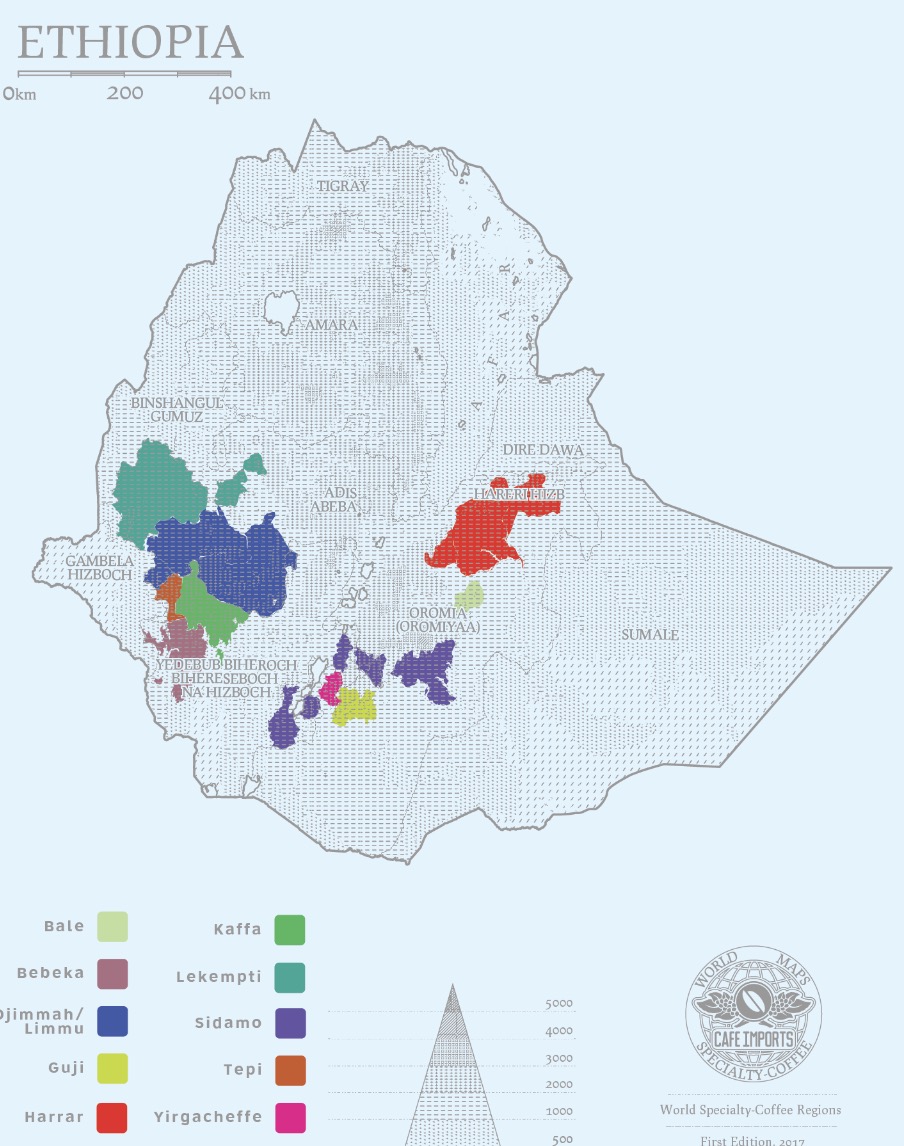
As the birthplace of coffee and the native home of the Arabica species, Ethiopian coffee is renowned for its complex layers, bright acidity, and fruity aromas. Not only are the flavors refreshing, but they are also generally well-suited for pour-over brewing, making them a staple offering among many cafés’ single-origin selections.
Particularly in the Yirgacheffe region located in the southern part of the country, coffee is grown at an altitude of1800~2000 meters, making it one of the world’s high-altitude coffee-growing areas and a representative of Ethiopia’s specialty coffee. Coffee from this region typically exhibitscitrus and lemon-like fruit acidityalong with intensejasmine floral notes, and has a tea-like, soft mouthfeel that is smooth and refreshing upon entry—making it a top choice for many pour-over enthusiasts.
Kenya
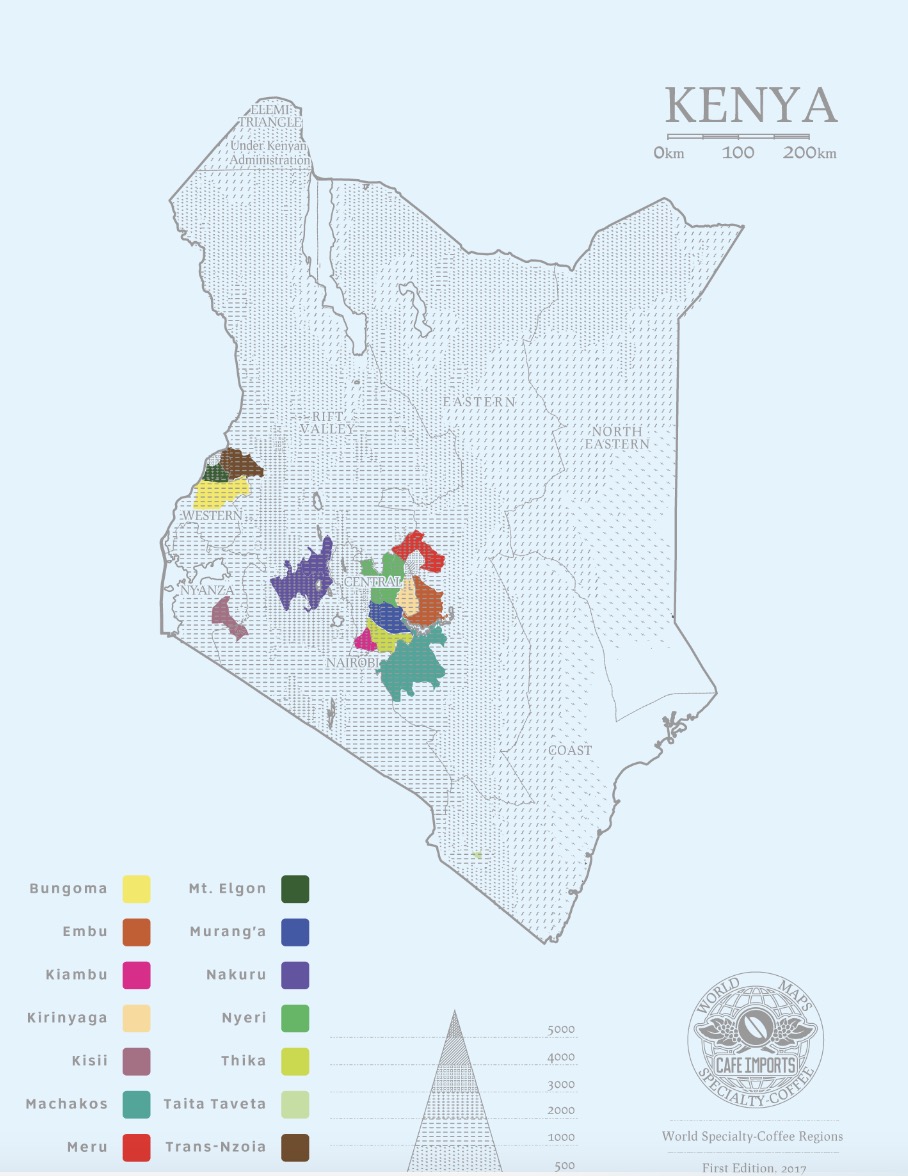
Although neighboring Ethiopia, Kenyan coffee has a distinctly different varietal background and flavor profile. Due to historical reasons, various coffee varieties have been introduced locally, among whichSL28 and SL34are the most famous, capable of delivering exceptionally vibrant acidity and juicy character.
Kenyan coffee is primarily grown at altitudes of1550~1750 metersin volcanic terrain, where the cool climate slows fruit ripening, aiding in the accumulation of flavor compounds. Its coffee often featuresplum, cherry tomato, and pearflavors that balance acidity and sweetness, with a finish commonly accompanied by distinctbrown sugar and plum aromas, making it an ideal choice for coffee enthusiasts who enjoy bright acidity and layered complexity.
Rwanda
Rwanda’s specialty coffee is mostly concentrated in the southern and western regions, such as the Huye Mountains and the shores of Lake Nyamasheke. The altitudes here generally range between1500~1700 meters, with climatic conditions suitable for cultivating high-quality Arabica.
Coffee from the southern regions often carriescitrus and berry tones, while the western areas near Lake Kivu are known forrich aromas and full-bodied mouthfeels. Rwanda’s Red Bourbon variety has garnered particular market attention for its clear and layered flavors, suiting extraction enthusiasts who pursue nuanced taste experiences.
Panama
When it comes to Panama, one cannot overlook the Geisha variety from Hacienda La Esmeralda. Since 2004, this variety has gained international fame through competitions, prompting the Panamanian Specialty Coffee Association to launch the renowned BOP (Best of Panama) competition, helping more high-quality micro-lots stand out.
The Boquete region, located on the eastern foothills of the Barú Volcano, benefits from a cool, foggy climate with significant day-night temperature variations, which slow fruit maturation. Even though its altitude isn’t as extreme as other regions, it still produces exquisitely flavored coffee. Common tasting notes includecitrus, berries, honey, and light fermentation aromas, making it a micro-lot option not to be missed by pour-over aficionados.

Colombia
Colombia is the world’s second-largest producer of Arabica coffee, boasting fertile volcanic soils and stable climatic conditions that allow for year-round harvesting, combining both volume and quality. The country’s coffee is known for itsbalanced acidity and sweetness with a rich mouthfeel, particularly the berry-forward profiles from the Huila region.
Huila is situated in high-altitude mountainous areas at1500~1800 meters, and its coffee often presentsnutty, dark chocolate, and caramel aromas, with soft acidity—suitable for consumers who prefer mellow profiles and an excellent entry point for beginners exploring single-origin coffee.
Costa Rica
Costa Rican law mandates the cultivation of only Arabica, and only coffee grown at high altitudes can be labeled as SHB (Strictly Hard Bean). The Tarrazú region is a key specialty coffee producing area in the country, with elevations exceeding1500 meters, and its coffee generally boasts strongchocolate and nut aromas, moderate acidity, and a smooth mouthfeel.
The region’s coffee matures slowly due to the cool climate, resulting in concentrated flavors—making it an excellent choice for pour-over or French press brewing.
Brazil
As the world’s largest producer of Arabica coffee, Brazil supplies not only large quantities of commercial beans but also many uniquely flavored specialty-grade coffees. Brazilian coffee is characterized bylow acidity, high sweetness, and rich caramel and chocolate notes.
Coffee from the Cerrado and Sul de Minas regions in Minas Gerais, grown at altitudes of about1000~1200 meters, often featurespeanut, butter, and nut aromas, suiting those who enjoy rich textures and balanced flavors—and it also serves as a classic base for espresso.
Indonesia
Indonesian coffee was once often misunderstood for its earthy tones and low acidity, but with the rise of the specialty coffee trend, Arabica varieties from Sumatra have gradually revealed their subtle potential. Local wet-hulling processing imparts a richnutty, caramel, and spicy aromato the coffee.
The Lintong and Aceh regions, at altitudes of about1100~1600 meters, produce Mandheling coffee with a full body and long aftertaste, serving as a classic component in blends and suiting those who prefer bold brewing styles.
Jamaica Blue Mountain
Blue Mountain coffee is globally renowned for its balanced acidity, sweetness, bitterness, aroma, and richness, and is recognized as one of the world’s top-tier specialty coffees. Grown at an altitude of1310 metersin the Blue Mountains, the cool climate and fertile soil extend the cherry ripening period, resulting in more concentrated flavors.
Blue Mountain coffee offers a soft mouthfeel with balanced acidity, sweetness, bitterness, and often presentsdark chocolate, nut, and cream aromas, making it the ultimate dream coffee for enthusiasts.
Yunnan, China
Yunnan is an important region for small-bean coffee production in China, with recommended planting altitudes ranging from800~1800 meters, among which the dry-hot river valley areas at1100~1300 metersbest showcase flavor characteristics. The Typica variety grown locally is highly praised for its clean and distinct flavor profile and rich mouthfeel.
Sun-dried Yunnan Typica often carriesberry, plum, brown sugar, and black tea aromas, making it an excellent starting point for exploring Eastern flavor wheels and suitable for everyday pour-over or gifting purposes.
The above content is compiled by CoffeeHunters, a coffee news website.


