







Introduction:Want to understand where the unique low-acidity, full-bodied flavor of Indonesian Mandheling comes from? This article delves into the seven key steps of the region’s distinctive wet-hulling process, exploring how it shapes the herbal, spicy, and nutty notes of the coffee. It also provides golden Mandheling pour-over brewing recommendations tailored for beginners and advanced enthusiasts alike—including filter type, water temperature, grind size, and pulse pouring techniques—to help you master the finer details and brew a cup rich in Southeast Asian character.
In the world of specialty coffee, Indonesian Mandheling is renowned for its pronounced low acidity and bold mouthfeel. A large part of this distinctive flavor profile stems from Indonesia’s traditional “wet-hulling process.” If you’ve ever wondered why some coffees taste rich, with deep spice and nut aromas rather than bright fruit acidity, understanding this processing method is the first step to appreciating Mandheling.
Unlike the washed or natural processes commonly used in Africa or Central and South America, Indonesia’s tropical rainforest climate—with its high humidity and frequent rainfall—makes traditional sun-drying or washed methods less practical. As a result, the region developed wet hulling (known in Indonesian as *Giling Basah*), a processing approach that accelerates drying while preserving rich flavors, and in doing so, creates the unique flavor profile Mandheling is known for.
Below, we’ll break down all seven steps of the wet-hulling process and explain how each stage influences the final cup, giving you insight into the origins of Mandheling’s flavor right from the green bean stage.
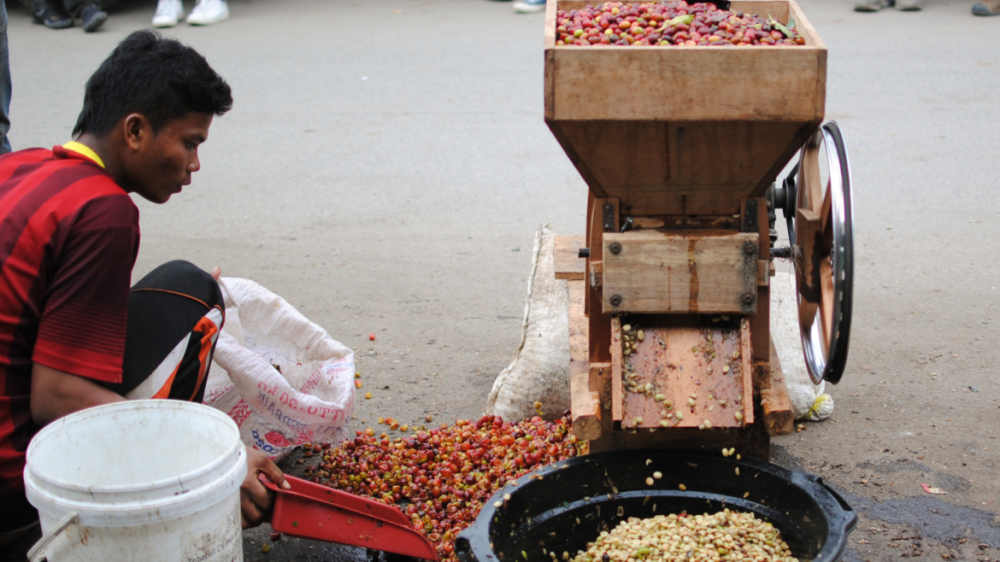
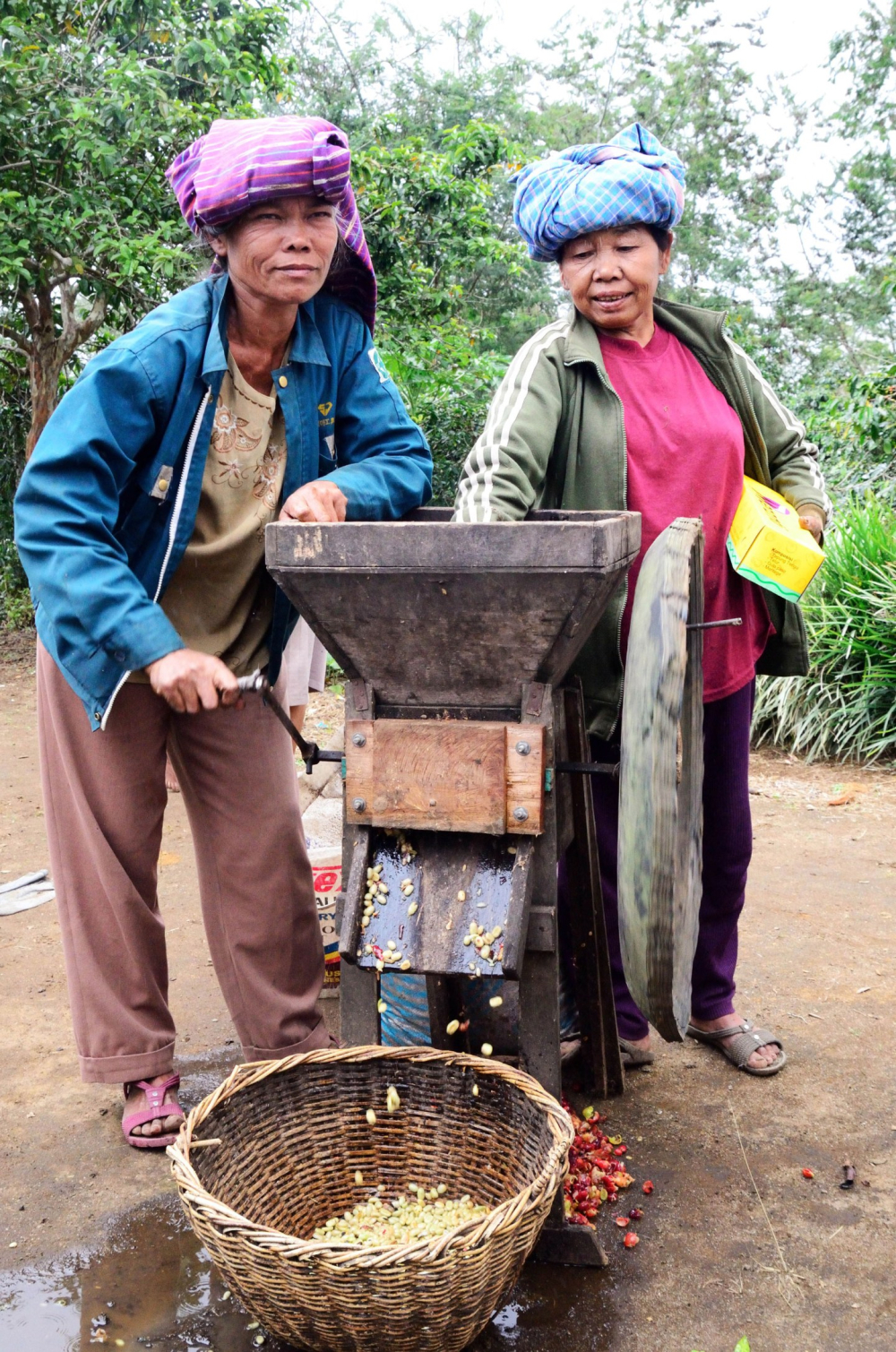
The first step involves removing the outer skin and pulp of the harvested coffee cherry. Unlike the washed method, however, the parchment layer (the protective coating around the seed) and the inner mucilage are left intact at this stage. The second step is to ferment the mucilage-covered beans in water tanks briefly, which helps break down the remaining sticky residue. Next, in the third step, clean water is used to wash away the loosened mucilage.
The fourth step is the critical turning point: the still-moist parchment coffee beans, with a moisture content of around 20–24%, are moved directly outdoors to sun-dry. This stage typically lasts 2–3 days. In the fifth step, before the parchment layer fully separates, it is mechanically removed—this is the origin of the term “wet hulling.” The sixth step involves continuing to dry the hulled green beans until their moisture content drops to 12–13%, meeting the standards for storage and export. The final step is bagging the processed green beans for shipment, beginning their journey to coffee lovers’ cups around the world.
The most distinctive feature of this process is the removal of the parchment layer before the beans are fully dry, which increases their exposure to air during subsequent drying. This leads to more pronounced oxidation, resulting in the unique low-acid, full-bodied flavor with earthy and herbal notes. However, due to the greater number of environmental variables involved, maintaining consistent quality can be more challenging, making it especially important to choose beans from reputable growing regions and processing facilities.
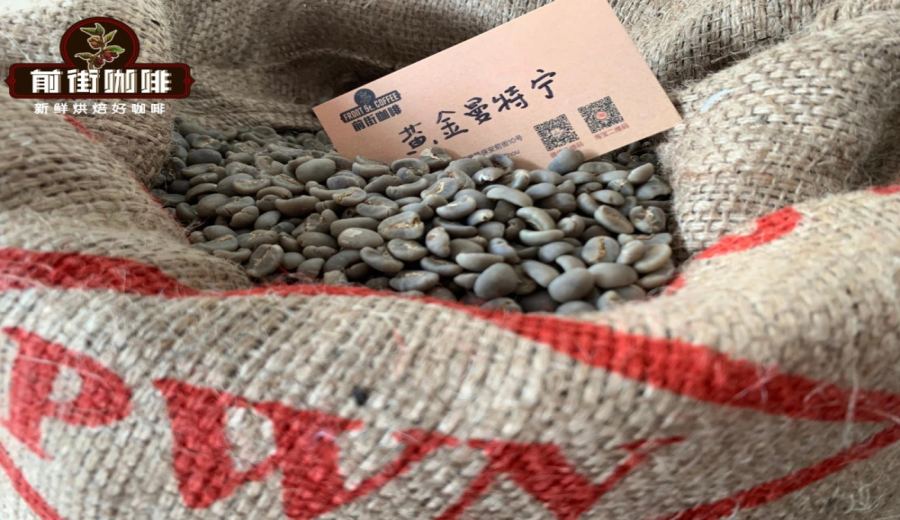
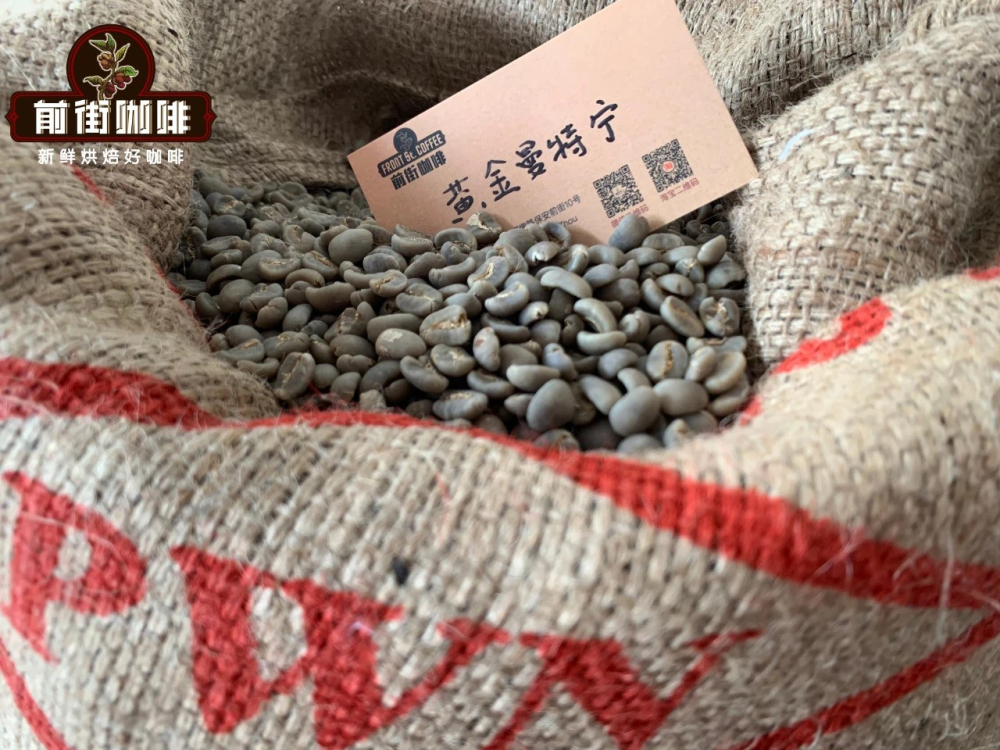
When it comes to classic Indonesian wet-hulled Mandheling, coffee from Sumatra is a top choice for many enthusiasts. Grown at elevations between 1,100–1,600 meters, the beans come from the classic Typica variety. Processed by the renowned local mill PWN using traditional wet-hulling methods, these beans not only retain the signature boldness of Mandheling but also exhibit excellent balance and clarity.
If you’d like to brew this coffee at home using a pour-over method, here are recommended parameters and steps: Use a KONO filter, set the water temperature to 88–90°C, and aim for a 1:15 coffee-to-water ratio, grinding to a medium fineness (approximately 70% passing through a standard #20 sieve). For the pouring technique, start with a 30-second bloom using 30 grams of water to awaken the coffee grounds. Then pour up to 125 grams, pausing briefly as the water level nears the bed of grounds. Continue pouring to a total of 225 grams, and remove the filter just before the water level touches the grounds again. Aim for a total brew time of around 2 minutes, starting from the bloom.
This brewing setup brings out the layered complexity of Golden Mandheling, with prominent nutty and chocolatey notes complemented by bold spices and caramel aromas. Subtle fruity undertones may also emerge, while the finish is long and stable. Whether you’re a beginner exploring pour-over or a coffee enthusiast curious about how wet-hulling shapes flavor, this coffee and its recommended parameters are an excellent choice for hands-on discovery.
The above content is compiled by CoffeeHunters, a coffee news website.


