







Introduction:Want to understand the differences between pour over coffee and Americano? This article will systematically compare the characteristics of these two common types of coffee from the perspectives of brewing methods, concentration profiles, and sweetness levels. By analyzing the process differences between normal pressure drip filtration and high-pressure extraction, it will help you grasp the key parameters that influence flavor, and provide practical bean selection and brewing advice to help you find your ideal flavor experience.
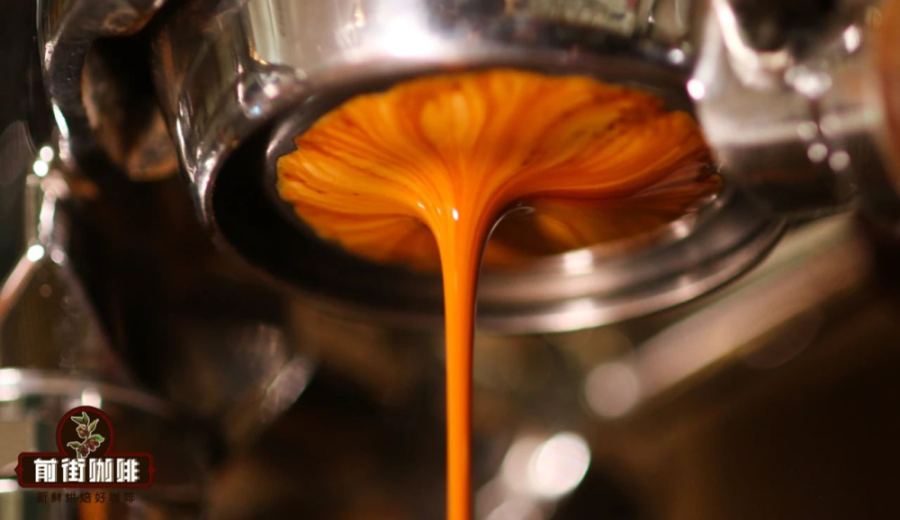
Pour over coffee and espresso are the two most mainstream coffee brewing methods today, and most coffee beans on the market are also developed based on the requirements of these two brewing styles. The biggest difference between the two lies in their brewing principles: pour over uses a normal pressure drip method, similar to brewing tea, with an overall flavor profile that is fresh and bright; whereas espresso relies on high-pressure rapid extraction, yielding a smaller volume of coffee liquid but with higher concentration and a fuller body. In addition to vastly different equipment and parameter settings, the two also have completely distinct requirements for coffee bean roast levels and blend strategies.
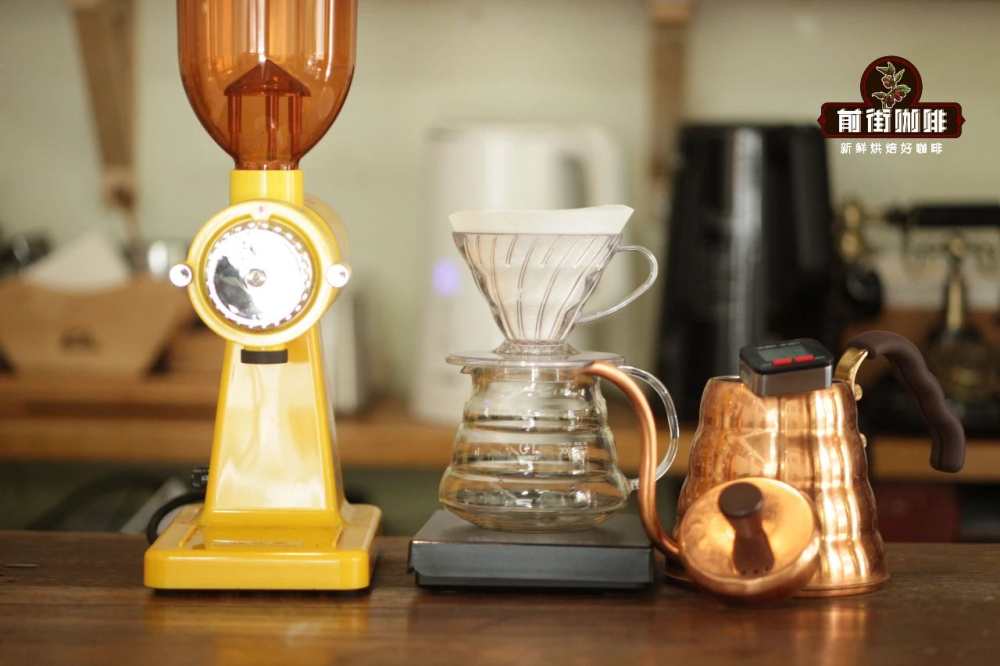
So-called pour over coffee involves placing ground coffee in a filter cone and slowly pouring hot water over it to extract the soluble substances in the coffee. The entire process relies on gravity for natural filtration, with the filter paper keeping the coffee grounds trapped in the cone, thereby producing a pure, clear cup of black coffee. During actual operation, it is recommended to prepare basic tools such as a pour over kettle, filter cone and paper, server, grinder, scale (for recording pour volume and time), and thermometer. These tools are essential for ensuring stable extraction.
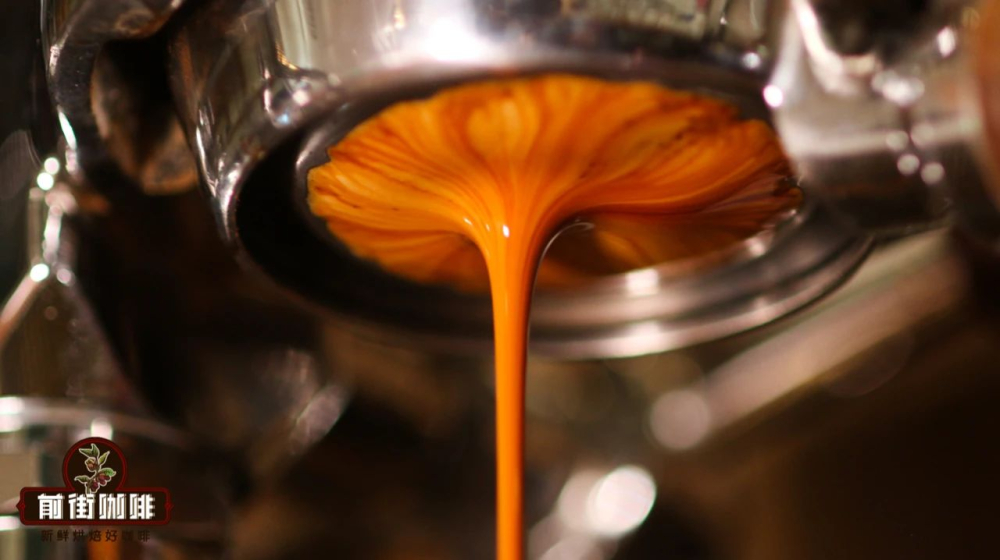
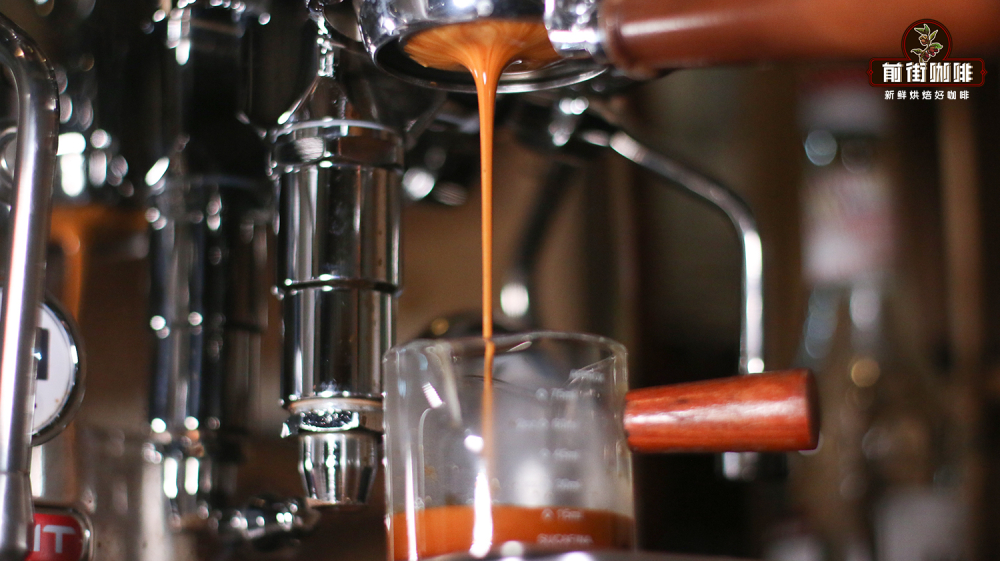
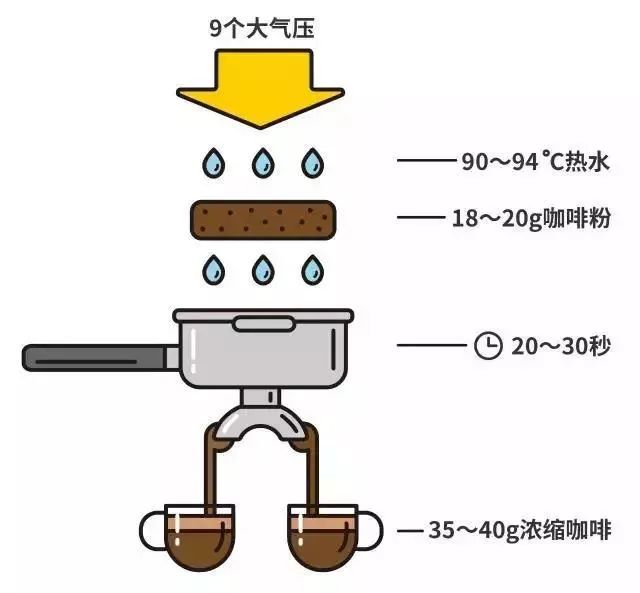
Compared to espresso, the pour over drip process is relatively slow, typically taking several minutes. To achieve high-concentration extraction in a short period, espresso machines use steam-generated high temperature and pressure to allow water to rapidly penetrate through a tightly compacted puck of coffee grounds. This technological evolution eventually led to the familiar semi-automatic or fully automatic espresso machines, producing espressos that are not only small in volume but also particularly intense in flavor. Due to its high concentration, espresso is usually diluted with water or milk, leading to popular drinks such as Americano, latte, and cappuccino.
Although it may seem simple to operate, the brewing conditions for espresso are extremely demanding. To fully release flavor compounds within just a few seconds, coffee grounds must be ground very fine and evenly, while also precisely controlling multiple variables, including coffee bean quality, roast level, grind size, machine boiler pressure, water temperature, coffee puck tamping pressure, dose, brew time, and liquid weight. For daily adjustments, the four most critical parameters are dose, brew time, liquid weight, and grind size. Since daily humidity and bean conditions can vary slightly, continuous fine-tuning is needed to maintain optimal extraction.
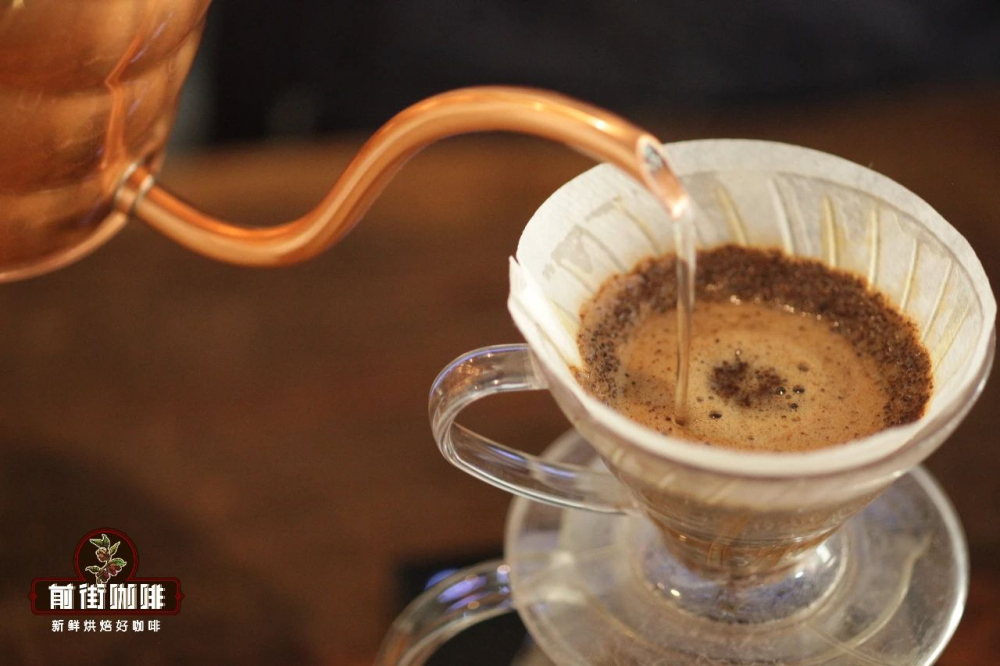
Pour over coffee can showcase the purest original aromas and regional characteristics of coffee. For beginners, it is recommended to start with value-for-money everyday beans, which not only help in understanding the basic flavor profiles of different regions, but also reduce waste caused by improper technique. Many cafés categorize single-origin beans suitable for pour over or cold drip by origin in their bean menus, making it convenient for consumers to choose based on flavor preferences.
If you prefer a rich and full-bodied coffee experience, espresso is an unmissable choice. This type of coffee typically uses specially blended beans, finely ground and extracted under high pressure, resulting in a complex yet balanced flavor profile. It’s worth noting that light-roast beans, if used directly for espresso brewing, can release overly stimulating compounds under high pressure and high temperature, causing bitterness and acidity to become too prominent. Therefore, it’s recommended to select beans that match the brewing method.
When making an Americano, the most common method is to first extract an espresso using a 1:2 coffee-to-water ratio, then dilute it with hot water. For example, using 20 grams of coffee grounds to extract 40 grams of espresso, and then adding 240 grams of hot water at around 88°C in a 1:6 ratio, will yield a standard hot Americano. This ratio preserves the coffee's aroma without overly diluting its flavors.
If you choose an iced Americano, you can replace the hot water with a combination of 120 grams of ice cubes and 120 grams of room-temperature water. It is recommended to drink it before the ice has completely melted, as this yields the most refreshing and mellow taste, fully showcasing the layers and aftertaste of the coffee.
The above content is compiled by CoffeeHunters, a coffee news website.


