







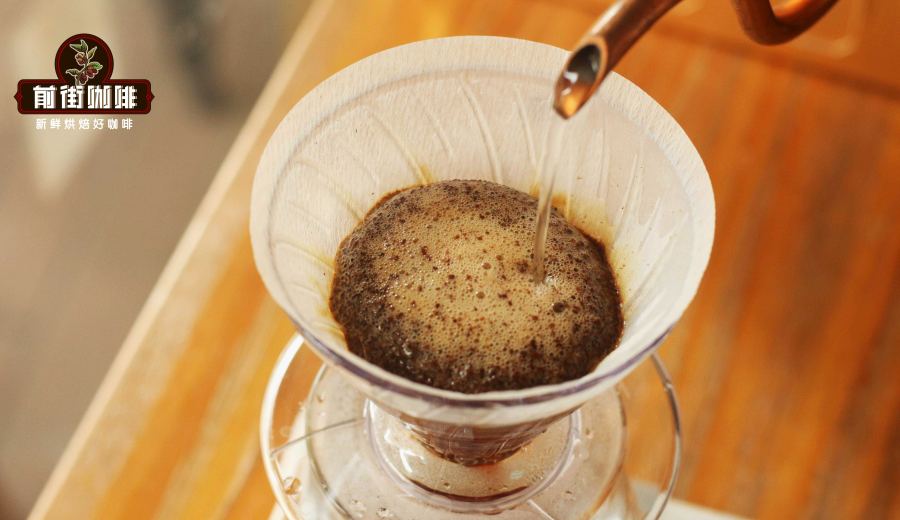
Introduction:Although drip bag coffee brewing is simple and convenient, extracting a well-balanced, layered cup of black coffee still requires mastering water temperature, water volume, and brewing techniques. This article delves into the extraction principles of drip bag coffee, covering everything from choosing the right cup type to pouring methods and temperature control. It also addresses common questions such as whether water from a water dispenser is suitable and how much water to use for a 10g drip bag. Additionally, it offers pairing suggestions for various flavor profiles to help you get started easily and brew your ideal cup.
The core extraction principles of drip bag coffee and pour-over coffee are actually the same—both involve hot water passing through coffee grounds to extract aroma and flavor, ultimately producing a pure cup of black coffee. However, even with just a few simple steps, neglecting factors like water temperature, water volume, and equipment compatibility can easily turn an otherwise excellent drip bag coffee into something flat or even bitter. This article will start by analyzing flavor profile selection, examine the impact of cupware on extraction, and answer common questions such as “Can I use water from a water dispenser?” and “How much water should I use for a 10g drip bag?”. Along with practical advice on segmented pouring, it will guide you through the key techniques for brewing great drip bag coffee.
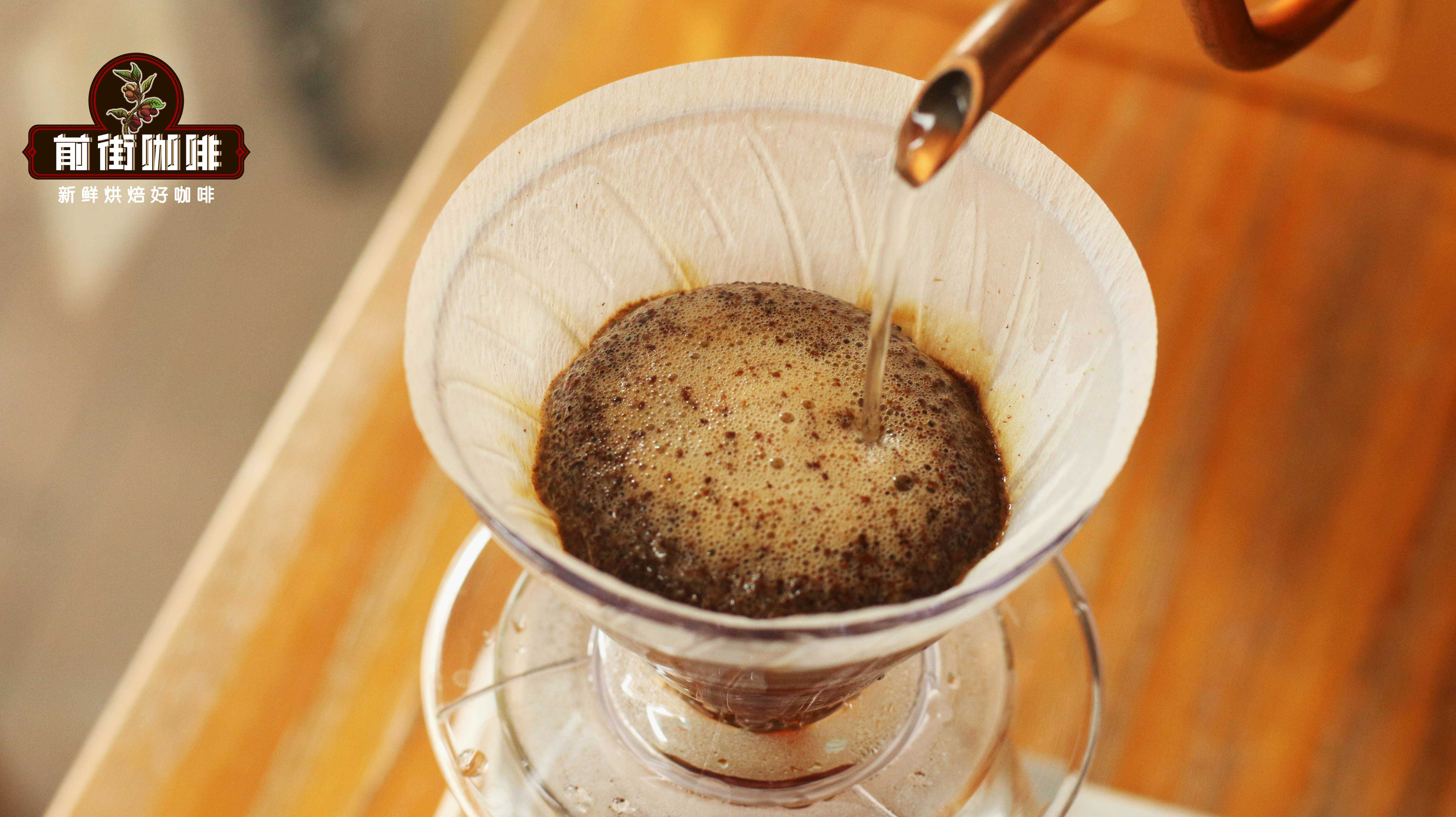
From an extraction logic perspective, drip bags and pour-over are almost two sides of the same coin. Hot water flows downward through the coffee grounds, dissolving a variety of compounds including acidity, sweetness, body, and aromatic molecules. That’s why understanding some basic pour-over concepts is crucial for brewing great drip bag coffee. And the first step is choosing a drip bag coffee that suits your taste.
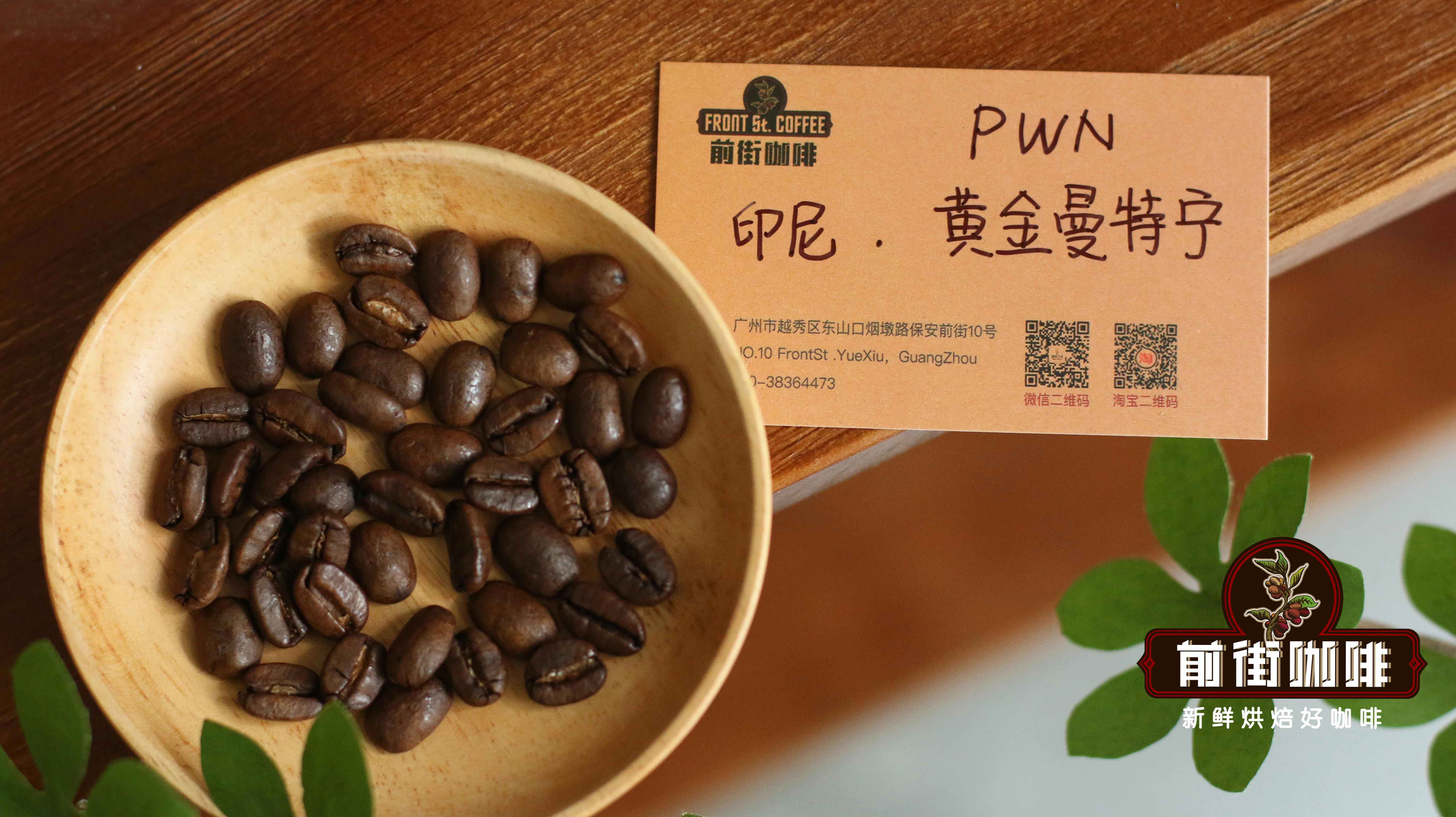
Coffee bean flavors can be broadly divided into three main categories: The first category features floral and fruity acidity, offering a bright and refreshing taste, ideal for those who enjoy fruity notes and light acidity—for example, Yirgacheffe drip bags with distinct citrus and jasmine notes, or Natural Hua Kui drip bags exuding sweet-tart aromas of strawberry and guava. The second category is rich and mellow, suitable for drinkers who prefer a full-bodied mouthfeel and a lingering finish—such as Queen Estate drip bags with creamy and nutty tones, or Golden Mandheling drip bags featuring spicy and caramel aftertastes. The third category is balanced, with acidity, sweetness, bitterness, and body in harmonious proportion. For instance, Strawberry Sugar drip bags with delicate rose floral notes, or Paradise Bird drip bags showcasing nutty and sugarcane sweetness—both are great for beginners or those who enjoy multi-layered yet balanced flavors.
After selecting the right drip bag, the next consideration is the brewing cup. Drip bag filters are designed to straddle the rim of a cup, so it’s recommended to use a container with a diameter smaller than 9 cm and a height greater than 12 cm—such as a highball glass or a deep cappuccino mug. These cup types help the coffee liquid drip smoothly and prevent backflow that could lead to over-extraction. If the cup is too shallow, the dripped coffee may re-contact the coffee grounds, resulting in a dull, bitter taste and significantly diminished flavor expression.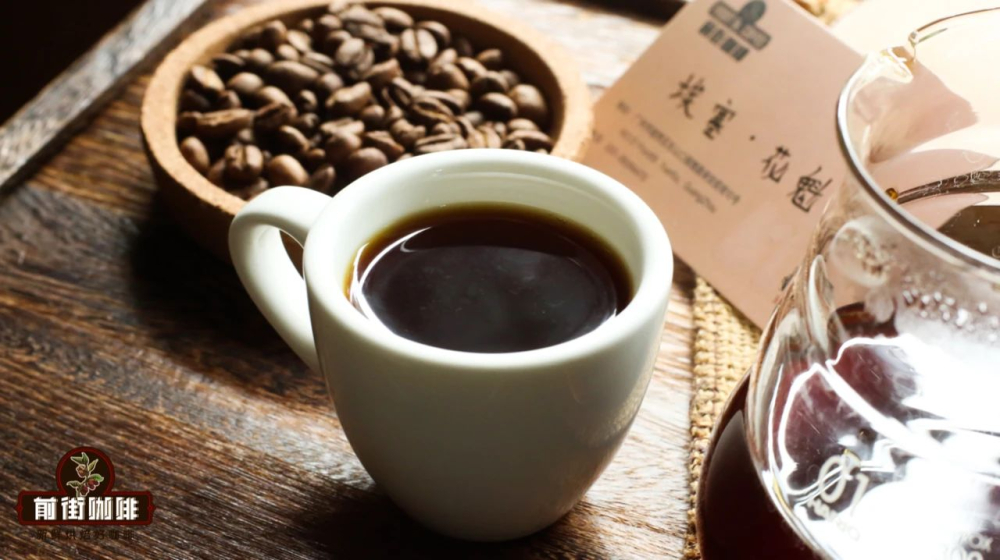
Water temperature is one of the key factors affecting flavor release. Generally, both pour-over and drip bag brewing recommend using hot water at 90–94°C. Water that’s too hot can accelerate the extraction of bitterness and impurities, making the coffee taste sharp; too low a temperature, on the other hand, may fail to bring out the aroma and acidity, resulting in a flat flavor. It’s important to note that freshly boiled water often exceeds 96°C and is not recommended for direct use. If you don’t have a thermometer at home, let the freshly boiled water sit for about 2 minutes to cool slightly before brewing. In addition, water from a water dispenser, whether at room temperature or heated, typically ranges only between 80–90°C, which lacks sufficient heat to fully extract the essence of the coffee. Therefore,it is not recommended to brew drip bag coffee directly with water from a water dispenser..
As for water volume, following the common pour-over coffee-to-water ratio of 1:15 to 1:18, for a standard 10g drip bag, it is recommended to use 150–180ml of hot water. If you prefer a stronger flavor, you can use a three-stage pouring method: first pour half the total water volume (about 75–90ml) to fully saturate the coffee grounds, then let it bloom for about 20 seconds; subsequently pour in two more increments, each time bringing the water level close to nine-tenths full, completing the whole process within 1 minute and 30 seconds, for a total water volume of about 140–160ml. This method helps extend the extraction time, resulting in a more concentrated and layered flavor.
If you prefer a clean, refreshing taste with low acidity and a dry finish, you might consider a four-stage pouring method. After wetting the coffee layer and waiting 20 seconds, add water in three equal increments, letting the coffee drip gradually, with a total water volume of around 200ml. This approach reduces the intensity of each pour, making the overall flavor smoother and better suited for light drinking in the morning or after meals.
In summary, brewing a good cup of drip bag coffee isn’t complicated, but it does require attention to flavor selection, cup type pairing, water temperature control, and appropriate water volume. By mastering these basic elements, even beginners can easily brew a well-balanced, flavorful cup. Whether you prefer bright, fruity light profiles or rich, mellow, sweet-retaining styles, as long as you choose the right drip bag and brewing method, you can enjoy the pleasure and professional taste of home brewing.
The above content is compiled by CoffeeHunters, a coffee news website.


