







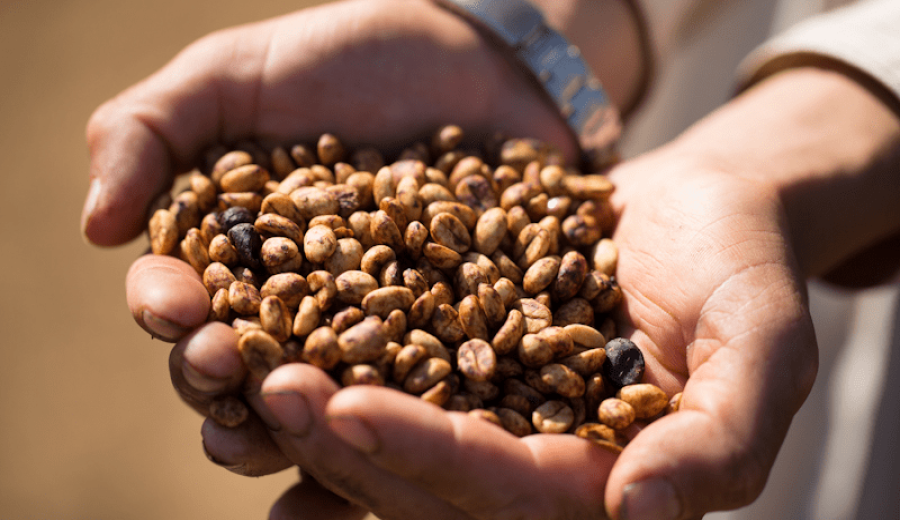
Introduction:Honey-processed coffee is often mistakenly thought to derive its sweetness from the name of the processing method, but in fact, the "honey" refers to the sticky layer of fruit mucilage that remains on the surface of the coffee bean after depulping. This article delves into the origins of honey processing, explores the differences between various types, examines how mucilage retention—from white honey to black honey—affects flavor, and introduces the unique grape raisin honey process, helping you better understand the characteristics and brewing recommendations for different honey-processed coffees.
When it comes to honey-processed coffee, many coffee enthusiasts’ first impression is often “sweet.” This mainly stems from the sweet connotation associated with the word “honey,” but in reality, the “honey” in honey processing has no direct connection to taste. It actually refers to the sticky mucilage that remains attached to the bean’s surface after the fruit pulp has been removed, and it’s named for its honey-like texture.
The term honey processing (also known as Honey Process or Miel Process) originated in Costa Rica. Local farmers noticed that after removing the skin and pulp, the remaining mucilage had a texture similar to honey, so they used the Spanish word Miel (meaning honey) to describe it. This processing method later became widely adopted and, depending on the amount of mucilage retained, evolved into various types and flavor profiles.
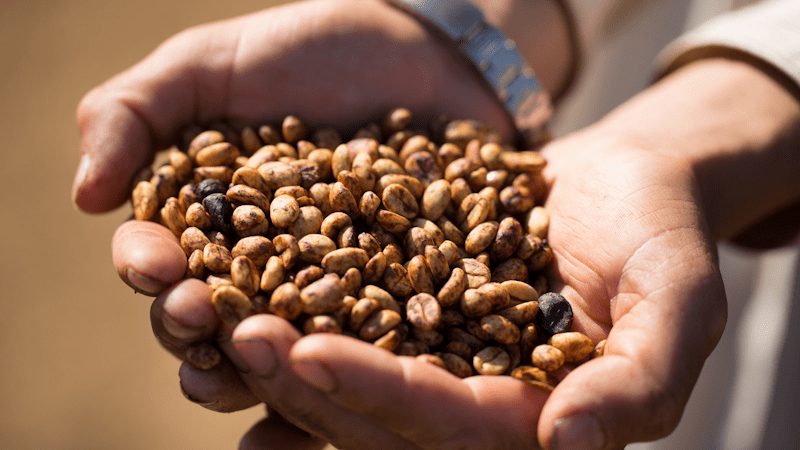
The steps of honey processing are not complicated, and its foundation can be traced back to Brazil’s semi-washed (pulped natural) method. First, harvested coffee cherries undergo flotation to remove unripe, overripe, and defective beans. Then, specialized machines are used to remove the outer skin and pulp, leaving only the mucilage and parchment-covered coffee beans. These mucilage-covered beans are then sun-dried until they reach a moisture content suitable for storage, after which the outer layers are removed in preparation for export.
During the sun-drying process, the sugars in the mucilage gradually oxidize, causing their color to change over time. Initially, they may appear light yellow or yellow-white, then gradually turn golden, orange-yellow, and may even develop into red or dark brown hues. The entire drying process usually takes 2 to 4 weeks, depending on weather conditions and the amount of mucilage retained.
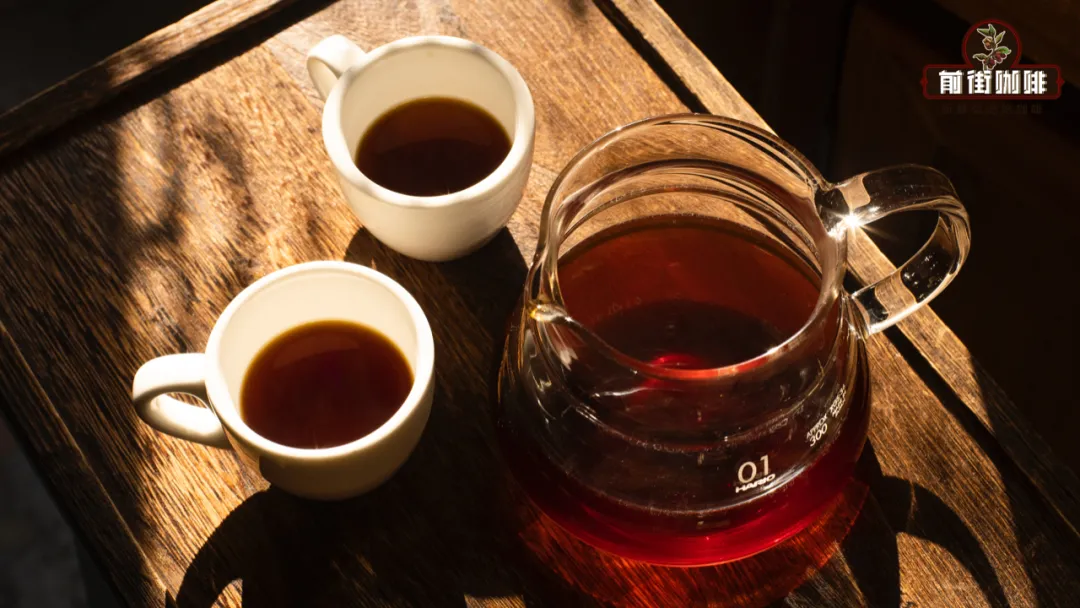
The commonly heard terms white honey, yellow honey, red honey, and black honey are actually classifications based on the degree of mucilage retention. White honey retains the least amount of mucilage, dries relatively quickly, has a shorter sun-drying period, and thus exhibits a cleaner, brighter flavor with a softer sweetness. Yellow honey retains slightly more mucilage, is sun-dried a bit longer, and shows more pronounced sweetness and fruity aromas. Red honey retains even more mucilage, undergoes a slightly higher level of fermentation, and delivers a richer sweetness along with more complex layers of fruitiness. As for black honey, it retains the most mucilage—often almost none is removed—allowing for more complete fermentation, resulting in the highest sweetness and the most intense flavors, commonly featuring notes of bold berries, caramel, and wine-like aromas.
It’s worth noting that there is no unified standard among producers for defining the colors of honey processes, so it’s common to see different brands label the same mucilage level with varying names. For example, what one brand calls yellow honey might be categorized as white honey or red honey by another. Consumers may want to pay extra attention to the processing descriptions and actual flavor profiles provided by the origin when making a selection.
In addition to these four common types, some more unique honey processing methods have also emerged on the market, such as grape raisin honey processing. This method involves pre-drying the whole coffee fruit for more than 3 days before removing the skin and pulp, allowing the fruit to gradually shrink and dehydrate. This concentrates the mucilage, thereby influencing the final flavor profile. Coffee beans processed this way often exhibit greater complexity, with common flavor notes including rich strawberry, berries, raisins, and candy-like sweetness.
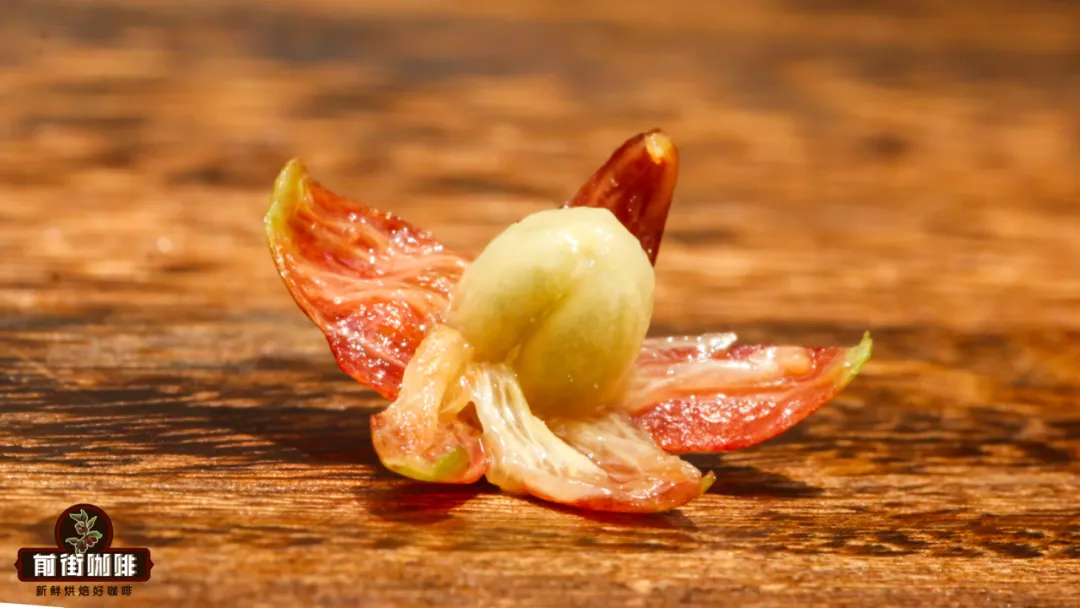
For instance, some well-known estates have released specialty beans with flavor profiles like strawberry candy or Mozart, which are made using grape raisin honey processing. These beans, when roasted to a medium-light level, can showcase bright berry tones and natural sweetness, making them ideal for coffee lovers who enjoy intense fruitiness paired with unique sweetness. If you’re fond of coffee with strong dried fruit and grape-like flavors, you might want to try honey-processed coffees made with this special method.
In summary, the “honey” in honey processing does not refer to the taste of the coffee itself, but rather to that honey-like layer of mucilage. From white honey to black honey, the varying amounts of mucilage retained not only affect drying time and fermentation levels, but also directly shape the final flavor profile of the coffee. Understanding these differences will help you choose the honey-processed coffee that best suits your personal taste preferences.
The above content is compiled by CoffeeHunters, a coffee news website.


