







Introduction:As the birthplace of coffee, Africa is home to numerous specialty coffee regions with distinctive flavor profiles. This article delves into the growing environments, variety characteristics, processing techniques, and flavor profiles of major producing countries such as Ethiopia, Kenya, Burundi, Rwanda, and Tanzania, while also providing practical roasting and pour over recommendations to help you fully grasp the diverse charm and selection essentials of African coffee.
Africa is the cradle of global coffee, not only possessing the oldest coffee gene pool but also retaining a large number of wild and indigenous varieties to this day. The coffee from this continent is particularly renowned for its bright acidity, rich floral and fruity aromas, and unique processing flavors, making it a treasure in the hearts of many specialty coffee enthusiasts. This article will focus on major producing regions such as Ethiopia, Kenya, Burundi, Rwanda, and Tanzania, detailing local growing conditions, mainstream varieties, processing methods, and typical flavors to help you establish a clear map of African coffee.
The flavor profile of African coffee often centers around acidity, complemented by layers of citrus, berries, floral notes, and even wine-like aromas, but it generally has a lighter body and less sweet taste compared to beans from Central and South America or Asia. This is related to the generally dry climate, the prevalence of sun-drying methods, and the diverse landscapes managed by smallholder farmers. However, each producing region still exhibits subtle flavor distinctions due to differences in altitude, terrain, and varieties. For example, Ethiopia’s Yirgacheffe is known for its citrus and floral notes, while Kenya is famed for its blackcurrant and wine-like finish.
Ethiopia and Kenya are the two leading representatives of African specialty coffee. Ethiopia boasts the world’s largest number of indigenous coffee varieties, with diverse farming models ranging from forest-grown to meticulously cultivated gardens. Kenya, on the other hand, is dominated by small cooperatives, ensuring high-quality bean sources through rigorous grading and auction systems. Additionally, though less market-focused, Burundi, Rwanda, and Tanzania each have their own unique characteristics—Burundi’s washed Bourbon offers a balanced acidity and sweetness, Rwanda’s volcanic highland beans exhibit distinct fruity notes and sweetness, and Tanzania, due to its special geographical environment, uses agave fiber bags for packaging and includes varieties such as Bourbon, Typica, and Kent.
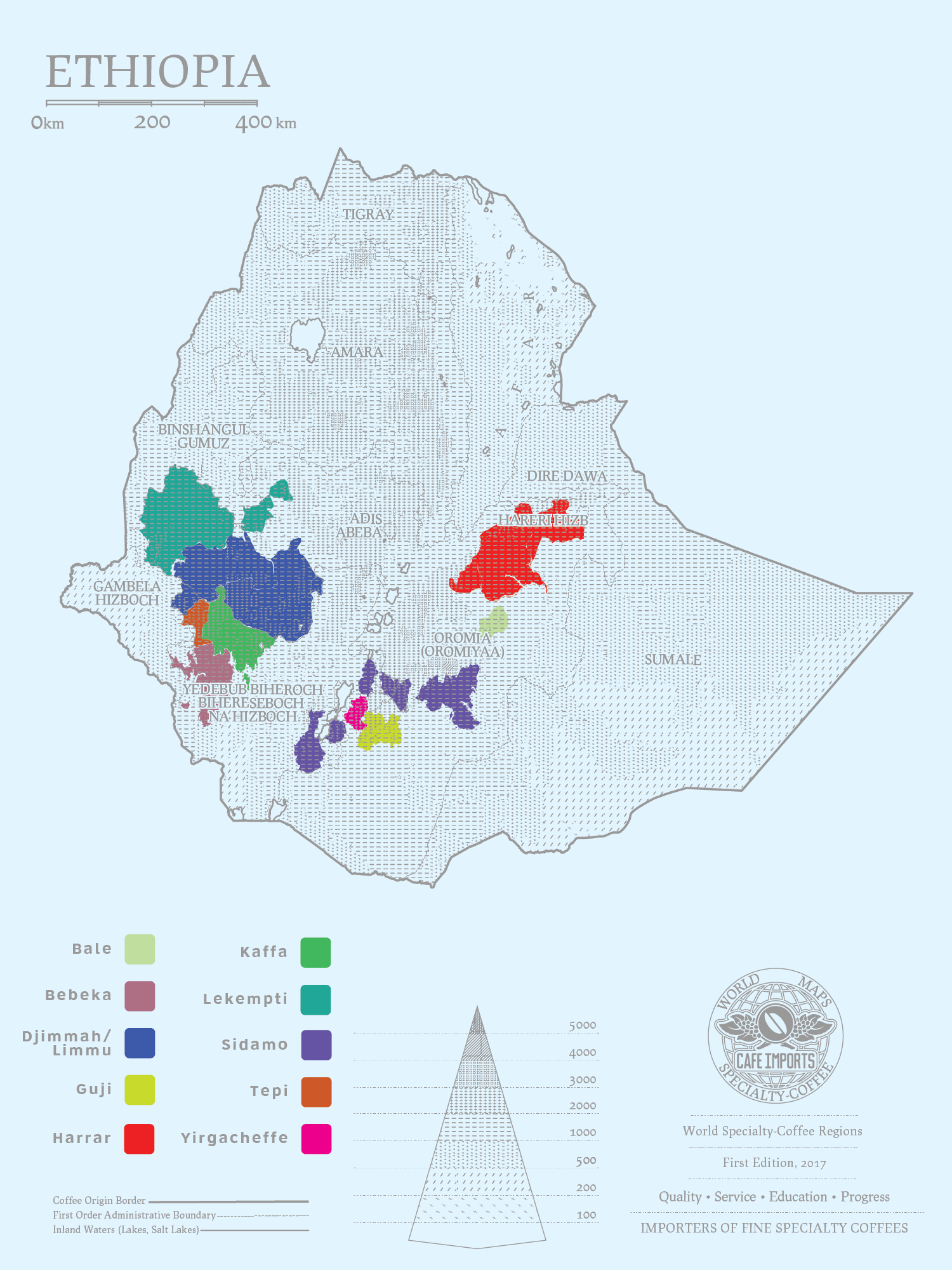
As a coffee gene bank, Ethiopia officially records over 2,000 varieties, the vast majority of which are indigenous. These varieties vary greatly in appearance, flavor, and adaptability, creating the diverse face of Ethiopian coffee. Planting occurs across all five major regions, primarily divided into nine major producing areas, including the renowned Yirgacheffe, Sidamo, Harrar, Limu, and Gimbi. Among these, Yirgacheffe and Sidamo, known for their prominent floral and fruity aromas, are often listed as separate specialty regions. Harrar, famous for its intense sun-dried flavors and unique off-notes, is a classic representative of early coffee flavors.
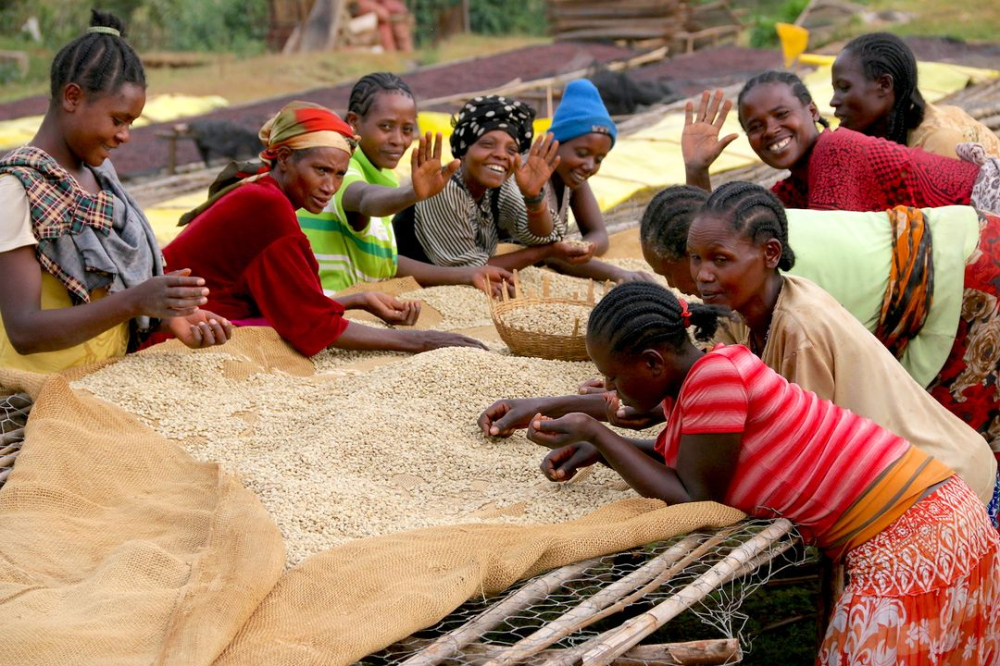
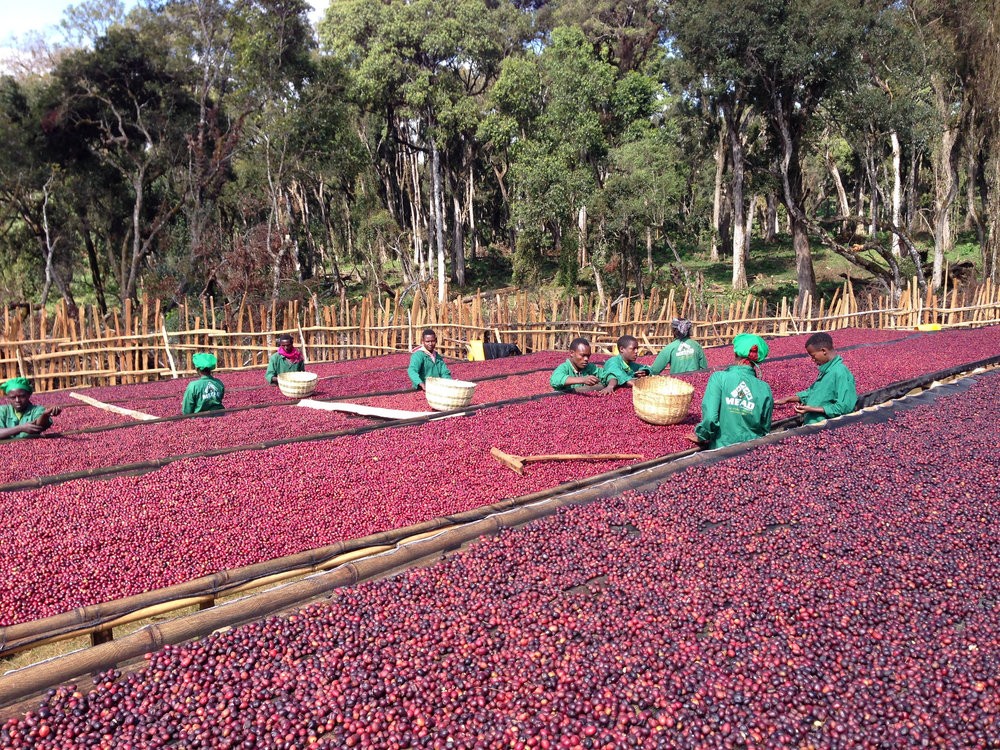
Ethiopian coffee farming is dominated by smallholders, with approximately 1.2 million households involved, most cultivating less than 4 hectares per household, at altitudes between 1,000 and 2,300 meters. Based on farming models, they can be categorized into forest, forest-semi-forest, garden, and plantation types, with garden coffee accounting for the highest proportion at 50-55%. In terms of processing methods, sun-drying is prevalent due to the dry climate, especially in the Harrar region where it is almost exclusively used. Washed and honey processes are gradually developing in areas with favorable climatic conditions, though the latter’s market acceptance remains to be seen.
Ethiopian coffee exhibits distinct flavor differences based on processing methods: washed beans often feature clear citrus and grapefruit acidity with a refreshing profile, while sun-dried beans showcase apricot, berry, and even wine fermentation aromas, resulting in a rich and complex flavor. In terms of quality grading, the ECX system divides washed beans into G1 and G2, with G1 also added for sun-dried beans. Currently, high-end market choices mostly adhere to the G1 standard. The Ethiopian beans selected for this region are all G1 grade, ensuring flavor purity.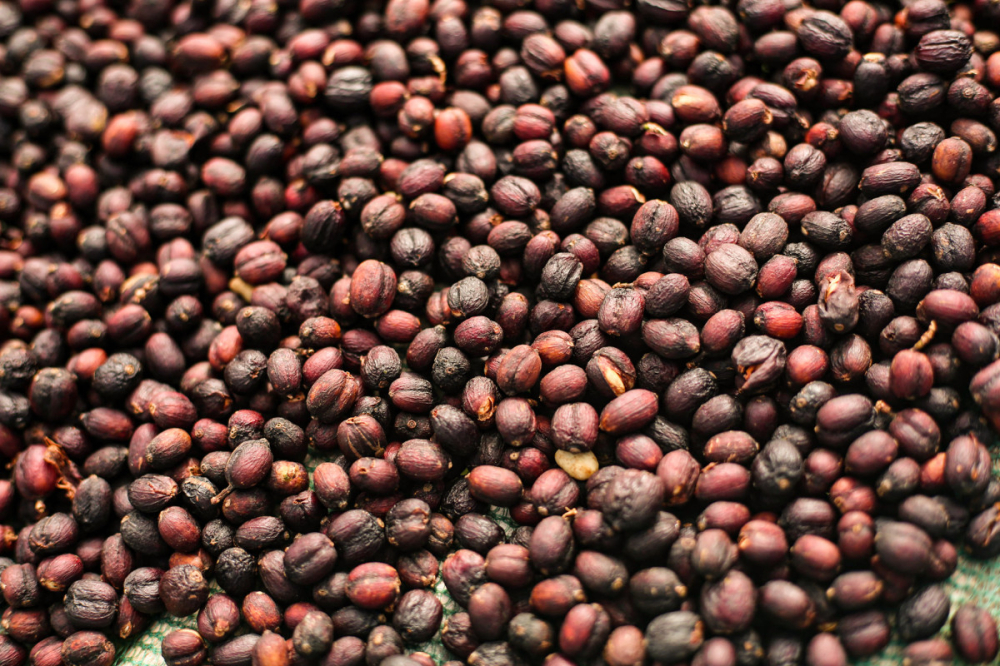
As Ethiopia’s most representative specialty region, Yirgacheffe sits at an altitude of 1,800-2,000 meters and is primarily based on the garden coffee system. Its flavor profile centers on citrus, white floral notes, and bright acidity, with a finish often carrying sweetness, making it a popular starting point for many pour over enthusiasts. Sidamo shares similar varieties with Yirgacheffe, offering equally delicate flavors but with a touch more wild berry character, and has also seen the emergence of beans with special processing methods in recent years. The Limu region has a smaller output, with flavors leaning toward grassiness and brown sugar, and a lower body compared to the former two, yet it maintains steady support in European and American markets. Harrar, due to its extreme aridity, exclusively uses sun-drying, producing coffee with intense off-notes and berry layers, though quality stability relies on strict selection.
Burundian coffee is primarily produced by smallholders, often managed through domestic wet mills and consolidated under SOGESTAL associations, effectively improving processing quality. With an average altitude of 1,600 meters, the country is known as the "Land of a Thousand Hills," and its climate and terrain are highly suitable for coffee cultivation. The main variety planted is Bourbon, processed using traditional washed methods, yielding coffee with bright acidity, rich aroma, and notes of citrus and caramel sweetness, primarily exported to European, American, and Asian markets. Burundian beans and Rwandan beans look similar and are often confused, but the former has a fresher flavor profile, while the latter adds a warmer base of chocolate and nuts.
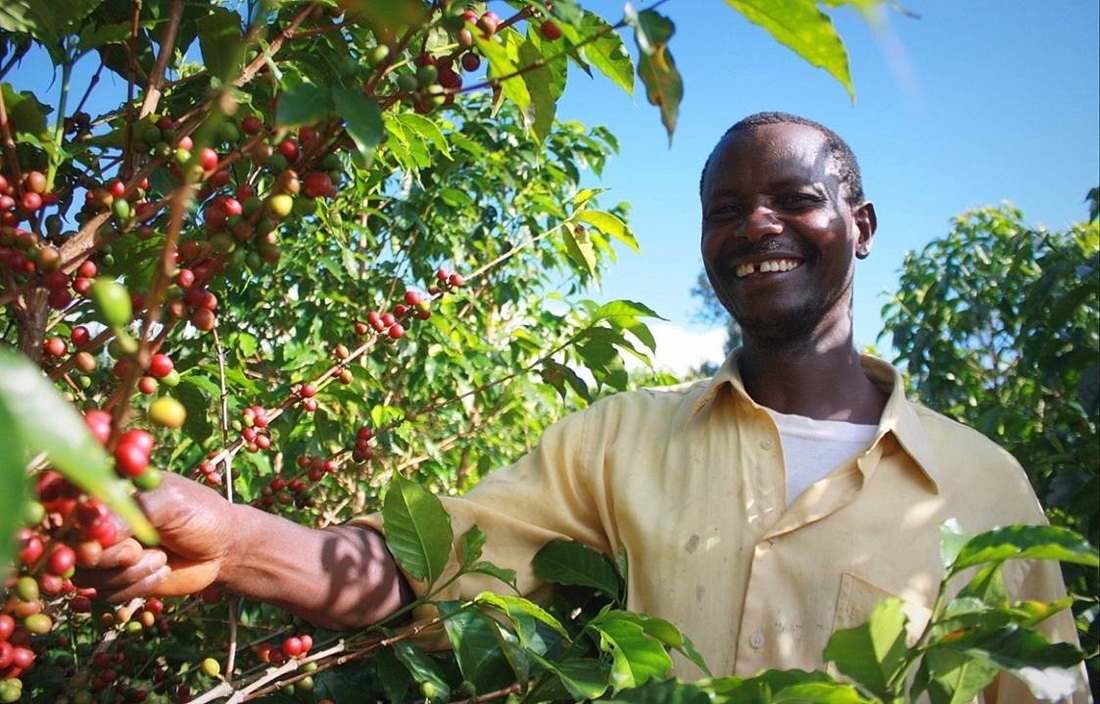
Kenyan coffee operates under a small cooperative model, ensuring the circulation of high-quality bean sources through a strict grading system and weekly auctions. Major producing regions include Nyeri, Kirinyaga, Kiambu, Embu, Marsabit, and the Western Region, each with distinct flavor characteristics: Nyeri and Kirinyaga are known for their bright acidity and blackberry notes; Nyeri additionally features citrus and floral aromas, key to Kenya’s international reputation. The Marsabit region has risen in recent years, attracting buyers with its delicate and clean finish. Kenya’s SL28 and SL34 varieties, well-adapted to high altitudes, exhibit unique sharp acidity and wine-like finishes, serving as the soul of the country’s specialty coffee.
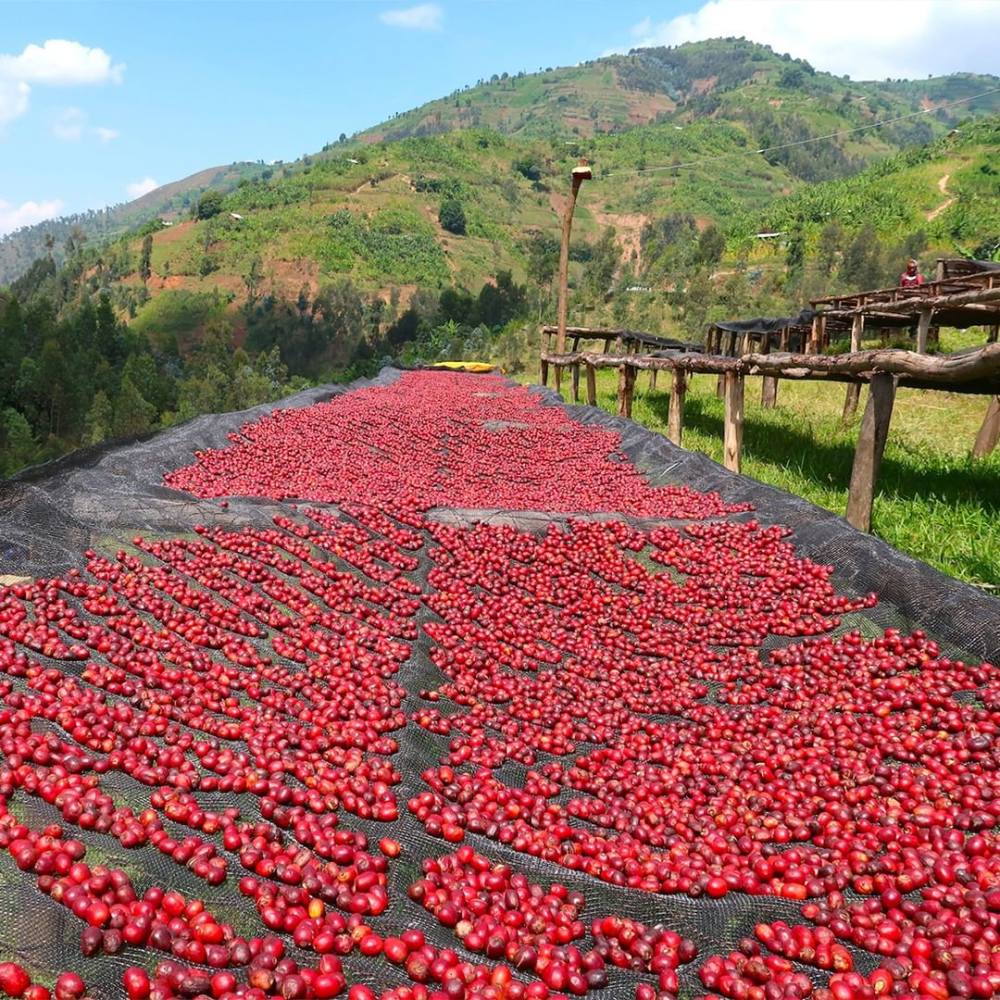
Though a landlocked country, Rwanda’s over 1,800 hills and high-altitude environment (mostly above 1,500 meters) create ideal coffee-growing conditions. The main variety is Bourbon, with washed processing highlighting fruity sweetness and fresh aroma, often featuring flavor layers of cherry tomato, nuts, cocoa, and citrus, with a finish carrying cinnamon and almond sweetness. The Rwanda Coffee Association actively promotes international collaboration, establishing supply chains with brands like Starbucks, gradually increasing its global market visibility.
Tanzania’s coffee-growing environment is unique, with the country divided into mainland and Zanzibar archipelago. The mainland, bordering the Indian Ocean to the east and the East African Rift Valley to the west, has high-altitude regions suitable for Arabica growth. To protect the sisal industry, the local government bans jute bags, opting instead for agave fiber bags—a market distinguishing feature. Main varieties include Bourbon, Typica, and Kent: Bourbon in high-altitude areas showcases wine-like aroma and bright acidity; Typica, though low-yielding, offers pure flavors and is a classic specialty variety; Kent combines high yield and disease resistance with robust aroma. Processing is primarily washed, enhancing cleanliness and flavor layers through fermentation and drying procedures.
In summary, the charm of African coffee lies in its diversity and uniqueness—from Ethiopia’s gene bank and floral-fruity notes, to Kenya’s sharp acidity and wine-like finish, to the local characteristics of Burundi, Rwanda, and Tanzania. For coffee enthusiasts, gaining an in-depth understanding of these regions’ growing backgrounds, processing techniques, and flavor profiles not only enhances tasting ability but also helps find the African specialty coffee that best suits personal taste.

The above content is compiled by CoffeeHunters, a coffee news website.


