







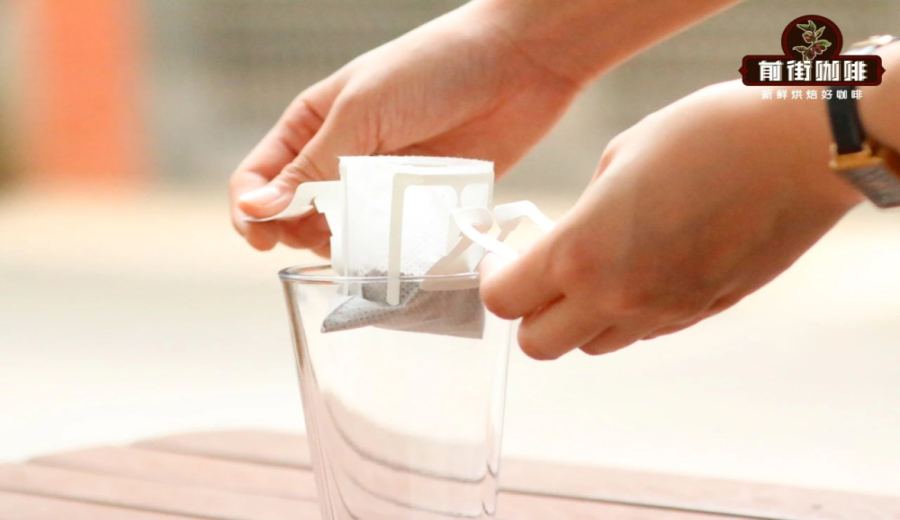
Introduction:Drip bags are a convenient alternative to pour over coffee, but to fully unlock their potential, three key elements are essential: the coffee-to-water ratio, water temperature control, and the freshness of the coffee grounds. This article delves into these critical parameters, teaching you how to brew a balanced and flavorful drip bag coffee with the correct technique. It also provides practical tips for adjusting strength, so even beginners can consistently brew great-tasting coffee.
Thanks to their simplicity—no complicated equipment needed, just hot water and a cup—drip bags offer a coffee experience close to pour over and have become the go-to choice for many busy individuals or coffee newcomers. Their basic principle is similar to pour over, but the ground coffee is pre-packaged; you simply hang the drip bag over your cup and slowly pour hot water to complete the extraction. However, to truly enjoy a drip bag coffee with distinct layers and elegant flavors, there are several important details that shouldn’t be overlooked, including the freshness of the coffee grounds, the water temperature during brewing, and most crucially, the coffee-to-water ratio.
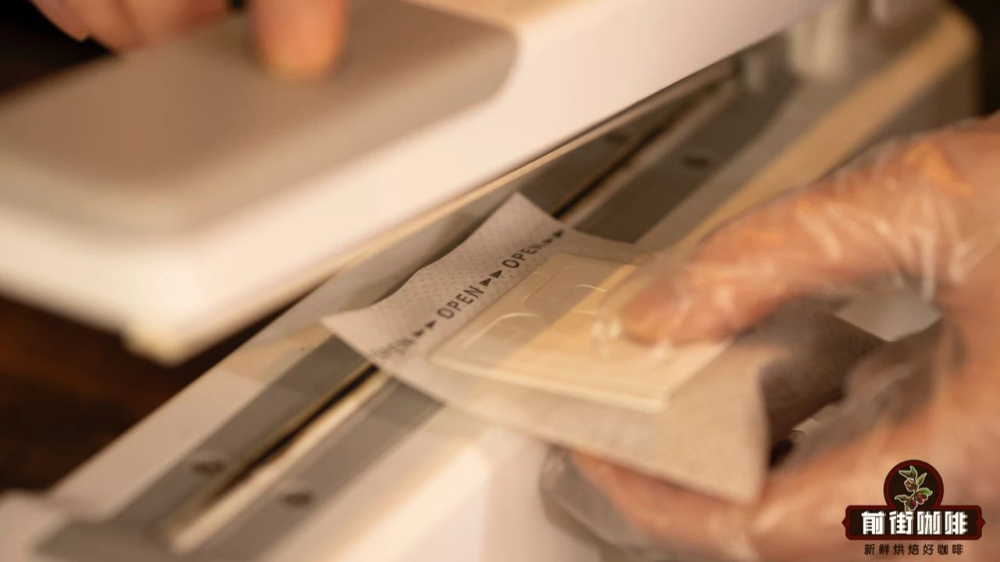
Let’s start with the freshness of the coffee grounds. Generally, whole coffee beans have an optimal flavor window (also called the flavor peak period) of about 40 days after roasting. But since drip bag coffee is already ground, its increased surface area in contact with air causes aroma and flavor compounds to volatilize much faster. It’s recommended to consume it as soon as possible to get the best taste. In particular, when purchasing, prioritize products with a recent roasting date—the fresher, the better to highlight the delicate characteristics of the coffee. For example, some brands emphasize completing the drip bag production within 5 days of roasting, aiming to deliver a cup that’s close to freshly ground and brewed. This is especially important for users seeking high-quality flavor.
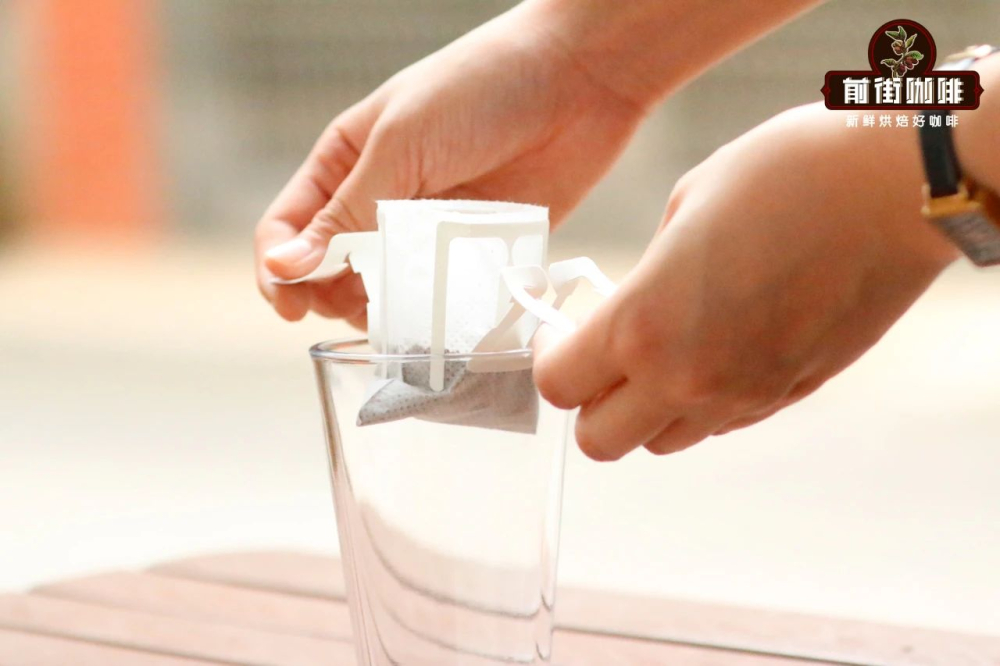
Next is temperature control. For drip bag coffee, it’s recommended to usewater at 90°C to 95°Cfor brewing. If the water temperature is too low, such as near the ambient temperature of a water dispenser, the coffee’s flavors won’t fully develop, often resulting in a thin and one-dimensional taste. Conversely, using freshly boiled 100°C water directly may lead to over-extraction, causing noticeable bitterness and astringency that disrupt the intended balance. For most users, maintaining a water temperature between90°C and 93°Cis usually most appropriate. If you don’t have a thermometer, a simple method is to pour the freshly boiled water into a kettle or cup and let it sit for about 1 to 2 minutes to naturally cool down to the desired range before brewing.
As for the coffee-to-water ratio, this is the key variable affecting coffee strength and overall flavor. Since the coffee grounds inside drip bags are pre-ground and cannot be adjusted for grind size like in pour over, the only variable you can control to adjust extraction strength is the ratio of coffee grounds to water. Commercial drip bags vary in capacity, but taking the common 10g packs as an example, using the classic1:15 ratio—that is, 10g of coffee grounds to 150ml of hot water—is the most commonly recommended starting point. Of course, depending on personal taste preferences, you can flexibly adjust the ratio, such as increasing it to 1:18 for a lighter cup, or reducing it to 1:12–1:14 for a stronger extraction. Remember, the total brewing water volume can be freely increased or decreased based on this ratio to suit different occasions or individual preferences.
Before you start brewing, it might help to familiarize yourself with a few common flavor profiles of drip bag coffee, so you can choose a product that suits your taste:
Tea-like flavor profile drip bags:Represented by washed-process Yirgacheffe, these have a clean and refreshing taste, bright acidity, and distinct citrus notes, complemented by subtle green-tea-like tones and a honey-like soft aftertaste. They’re very suitable for coffee beginners or those who prefer a light and fresh flavor.
Floral-toned drip bags:Such as Panamanian varieties with Geisha heritage, often showcase complex floral layers, paired with moderate body and delicate acidity. These coffees are typically grown at high altitudes and have a notable aromatic intensity, making them ideal for users seeking depth of flavor.
Fermented fruit-forward drip bags:Certain specialty-processed coffees, such as those using double anaerobic natural sun-drying methods, often carry rich tropical fruit aromas like passionfruit, grape, and apricot. Upon tasting, the fermentation character is pronounced, and the finish is often accompanied by notes of chocolate or caramel. These are suited for users who enjoy bold fruitiness and distinctive flavor profiles.
Full-bodied drip bags:Commonly found in coffee beans from low-altitude regions like Brazil, these typically have low acidity, a rounded mouthfeel, and prominent notes of nuts, dark chocolate, and caramel. They’re ideal for drinkers who prefer a smooth and mellow style.
Finally, here’s a practical drip bag brewing process: First, hang the drip bag over the cup rim, then pour a small amount of hot water (about 20–30ml) to fully wet the coffee grounds and let it bloom (this stage is called pre-wetting) for about 20 seconds. This helps release aroma and enhance flavor. If you desire a stronger extraction, you can extend the blooming time to 40 seconds. Next, evenly pour water in a thin stream until the filter is about 80% full. Once the water level drops to the initial height, continue pouring until you reach your desired total volume of 150–180ml (or adjust according to your preferred ratio). After brewing, you don’t need to wait for all the water to drip through the filter—just remove the drip bag and enjoy your freshly brewed coffee.
Whether you prefer a strong or light brew, you can achieve your ideal flavor by adjusting the total water volume poured—a key charm of drip bags: easy to use, yet customizable to personal taste. With these basic principles mastered, you too can easily recreate a drip bag coffee at home that rivals the quality of professional pour over.
The above content is compiled by CoffeeHunters, a coffee news website.


