







Introduction:Yunnan small-grain coffee has gradually become a focal point for coffee enthusiasts due to its unique flavors and moderate pricing. From the earliest introduced Typica variety to the now mainstream Catimor variety, coupled with the distinctive microclimates of the six major producing regions and diverse processing methods such as washed and natural, each step influences the final flavor profile. This article will delve into the evolution of Yunnan coffee varieties, the characteristics of its main producing areas, and common processing methods, while also providing practical brewing references to help you better appreciate the diverse charm of Yunnan coffee.
As the name suggests, Yunnan small-grain coffee features uniformly plump beans with a rich yet mild taste, making it highly favored by many coffee lovers. The cultivation history of this coffee can be traced back to 1904, when French missionary Térence Denné introduced the Typica variety from Vietnam to Zhugula Village in Binchuan County, Yunnan Province. The successful trial planting is regarded as the starting point of Yunnan coffee. Initially, the coffee grown here was called the small-grain variety, which is now commonly known as "Yunnan small-grain coffee."
Over time, the variety predominantly planted in Yunnan today has shifted to Catimor and its improved strains, and the "Yunnan small-grain coffee" on the market mostly refers to the Catimor variety. However, high-quality coffee varieties such as Typica, Bourbon, and Geisha are still cultivated in small quantities. For example, some producers began trial planting of the Typica variety in Lincang in 2013, and it wasn’t until the 2020–2021 harvest season that approximately 200 kilograms of yield were produced. This batch of Typica coffee exhibited flavors dominated by nuts, brown sugar, and subtle fruit acidity, lacking the pronounced aftertaste often associated with typical Catimor varieties, showcasing a more mellow and balanced profile.
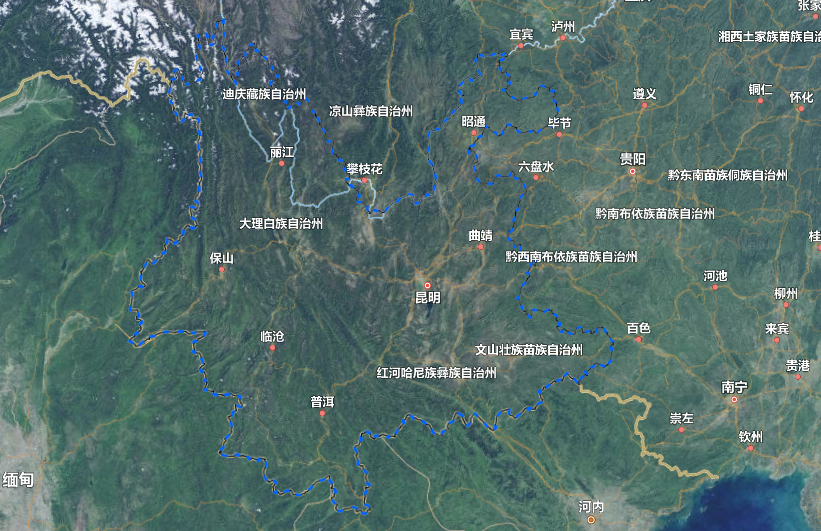
The six major producing regions of Yunnan coffee are Lincang, Pu'er, Baoshan, Xishuangbanna, Wenshan, and Dehong. These areas are mostly located between 15°N and the Tropic of Cancer, right within the "coffee belt" suitable for coffee cultivation. Coupled with high-altitude terrain, abundant sunshine, and distinct dry and rainy seasons, they form a rich variety of microclimates, resulting in the unique flavor profiles of coffee from each region.
Take Lincang City as an example. It has a subtropical low-latitude plateau mountainous monsoon climate with complex terrain and diverse climate types. Influenced by the warm, humid air currents of the Indian Ocean and the southwest monsoon, although the boundaries between the four seasons are not distinct, the dry and rainy seasons are clearly defined. The area enjoys long annual sunshine hours, averaging over 2000 hours, with some regions even frost-free year-round. Additionally, the average annual temperature in the mountainous regions is around 13 to 15 degrees Celsius, making it very conducive to coffee growth.
Pu'er has a 150-year history of coffee cultivation. As early as the early 1990s, the local government identified coffee as a key industry for adjusting the agricultural structure and increasing farmers' income. Pu'er has a subtropical monsoon climate, with most areas frost-free year-round, no severe cold in winter or intense heat in summer. The average annual temperature ranges between 15 and 20.3 degrees Celsius, with over 315 frost-free days annually and annual rainfall between 1100 and 2780 millimeters—conditions highly suitable for coffee cultivation.
The history of coffee cultivation in Baoshan dates back to the mid-1950s. It is said that the first coffee seedlings were introduced from Southeast Asia by the late patriotic overseas Chinese Mr. Liang Jinshan. The small-grain coffee from Ludian Dam is particularly renowned. Baoshan is located on a low-latitude plateau and has a low-latitude mountainous subtropical monsoon climate. The complex terrain results in a distinct three-dimensional climate, where "one mountain has four seasons, and ten miles have different weather."
Dehong benefits from no severe cold in winter or intense heat in summer, abundant rainfall with rain and heat occurring in the same season, large daily temperature variations but small annual temperature differences, along with its low latitude and proximity to the Tropic of Cancer. Influenced by the southwest monsoon of the Indian Ocean, it forms a typical South Asian tropical monsoon climate, providing ideal growth and overwintering conditions for coffee trees.
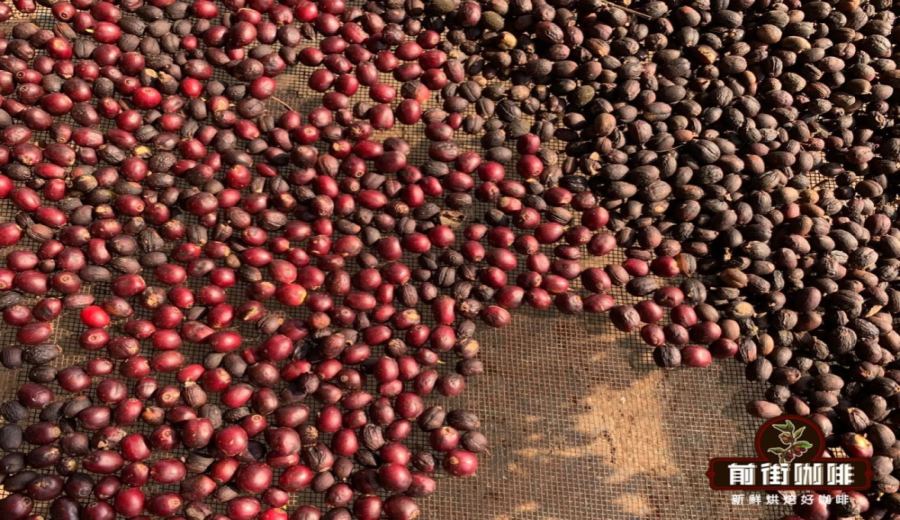
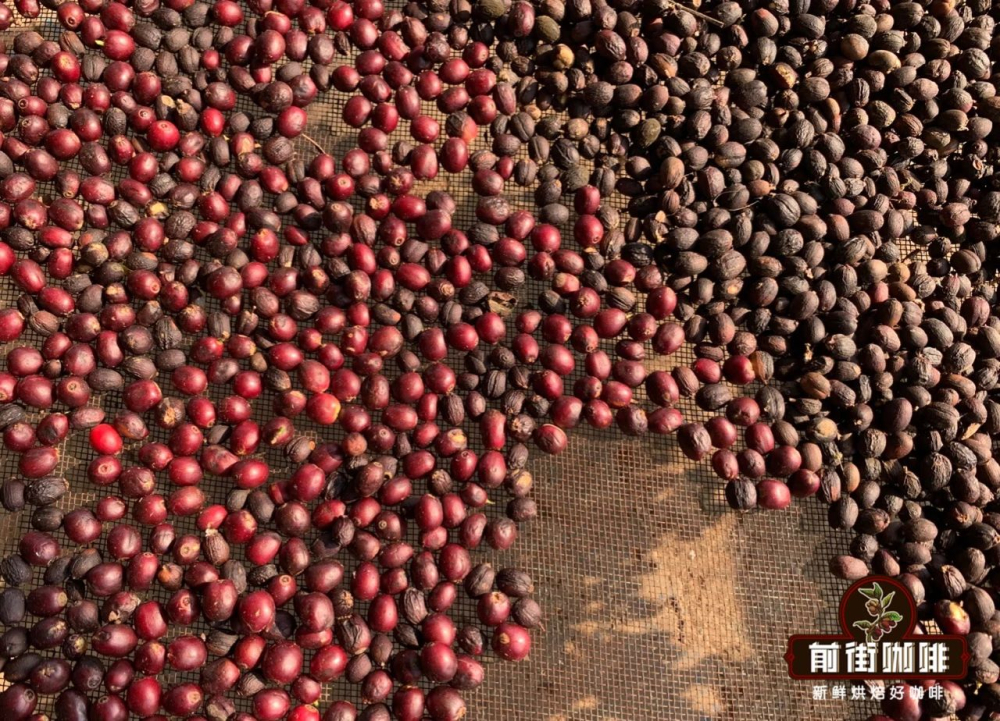
In terms of processing methods, Yunnan coffee primarily uses the washed process. Washed processing can deliver cleaner and more stable flavors, with acidity that is typically brighter. However, in recent years, many innovative processing methods have emerged, though classic natural and washed processes still dominate. Taking the commonly seen Yunnan Catimor beans as an example, some producers offer versions processed with both natural and washed methods, allowing consumers to experience how different processing methods affect the flavor.
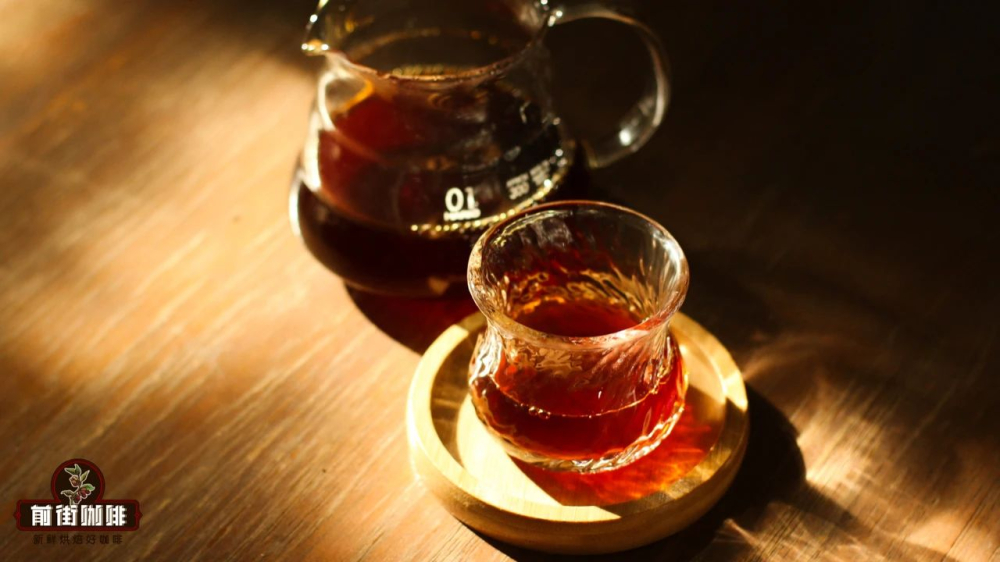
Taking natural-processed Catimor as an example, some producers use medium-light roasting. During cupping, this bean exhibits rich fruity aromas, such as melon and herbal notes. It has a smooth mouthfeel, with nutty and milk chocolate flavors in the mid-palate, and an overall good balance with medium body and a full-bodied texture. From hot to warm, one can perceive changes in the layers of acidity and sweetness, with an aftertaste carrying notes of brown sugar and black tea. Meanwhile, washed Catimor serves as an entry-level everyday bean. Its roasted nut base tone, brown sugar flavor, and thick, viscous mouthfeel showcase the classic and approachable characteristics of Yunnan coffee.
If you’d like to brew Yunnan small-grain coffee at home, here is a set of practical reference parameters: it is recommended to use a KONO filter, with water temperature controlled at 87–88°C, a coffee dosage of about 15 grams, and a coffee-to-water ratio of 1:15. The grind size is medium (referencing a 20-mesh standard sieve with about 78% passing rate). The brewing technique suggests using a pulsed pouring method—start with a 30-second bloom using 30 grams of water, then pour 95 grams of water in small streams in a circular motion centered on the coffee bed (reaching a total of 125 grams for the first pour). When the water level drops and is about to expose the coffee bed, continue pouring until reaching 225 grams in total (with an overall extraction time of about 2 minutes). These parameters help fully highlight the richness and layered profile of Yunnan coffee.
The above content is compiled by CoffeeHunters, a coffee news website.


