







Introduction:Geisha coffee is renowned for its delicate floral aromas and bright fruity acidity, but there are notable flavor differences between regions and grades. This article delves into the flavor profiles and recommended pour over parameters for Geisha from Ethiopia, Colombia, and Costa Rica, and provides an in-depth look at the plot division logic, Red/Yellow/Blue Label grading differences, and optimal brewing methods of Panama’s Hacienda La Esmeralda. It will help you master the essence of Geisha tasting.
The reason Geisha coffee possesses such captivating floral notes and elegant acidity lies in its extremely high environmental requirements. This variety thrives at high altitudes, relying on cloud cover or shade trees to regulate sunlight, and rooting in fertile soil. Only under such rigorous conditions can it develop richly layered floral notes, refined fruit acidity, and a tea-like long-lasting aftertaste.
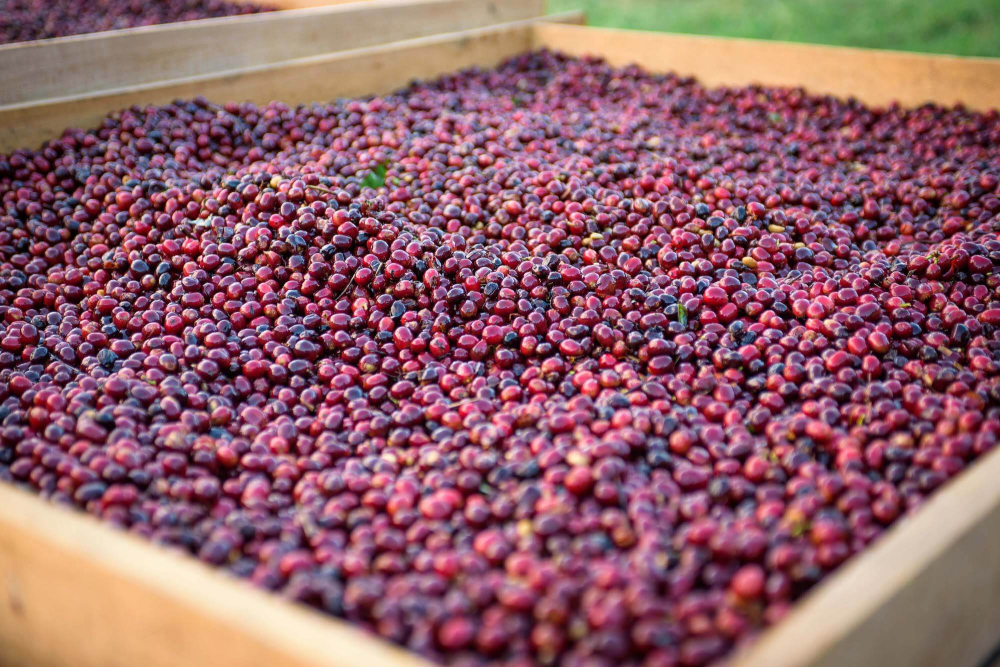
In recent years, coffee enthusiasts’ enthusiasm for Geisha has continued to rise, yet Geisha from different regions each has its own characteristics. Take Costa Rica, for example—its Tarrazú region’s Geisha, benefitting from volcanic terrain and significant diurnal temperature variations (up to 26°C), accumulates more flavor compounds. Cupping often reveals floral notes and citrus acidity similar to Panamanian Geisha, with a juice-like mouthfeel and outstanding body. It is recommended to use water at 91–92°C, with a 1:15 coffee-to-water ratio and medium-fine grind (approximately 80% extraction through a Chinese No. 20 filter), to fully bring out its rich flavors.
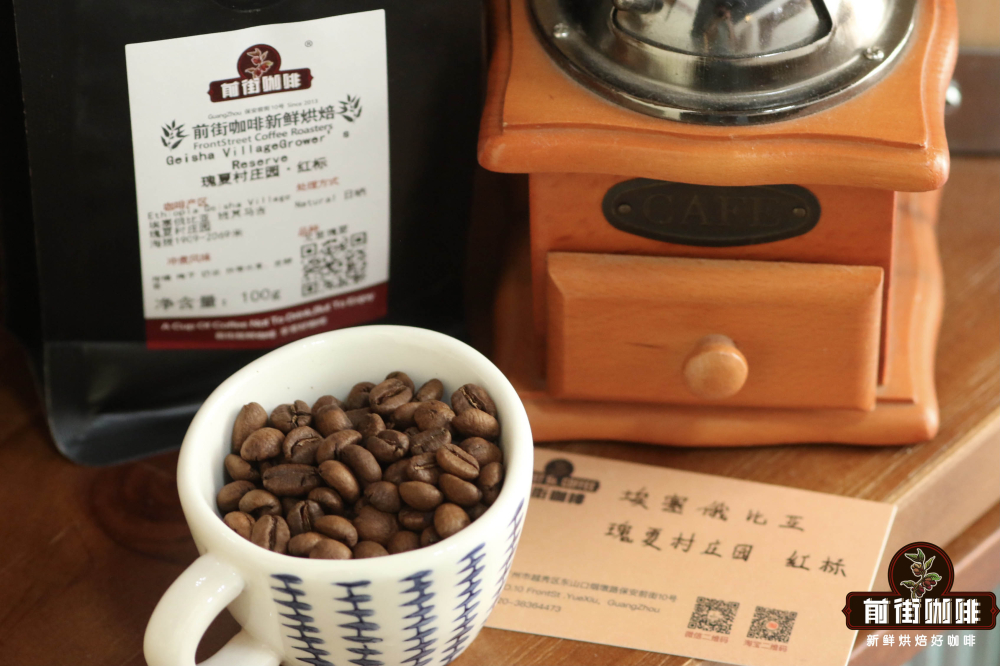
Ethiopian Geisha is represented by wild varieties from the Ghimbi Geisha forest, such as the Natural Red Label Geisha from Gesha Village, where the main flavor profile features yellow stone fruits like yellow peaches, with notable sweetness. Exceptional batches even carry a toffee-like finish. Cupping shows that its sweetness stands out, and the same 91–92°C water temperature and 1:15 coffee-to-water ratio apply, with a medium-fine grind optimizing extraction efficiency.
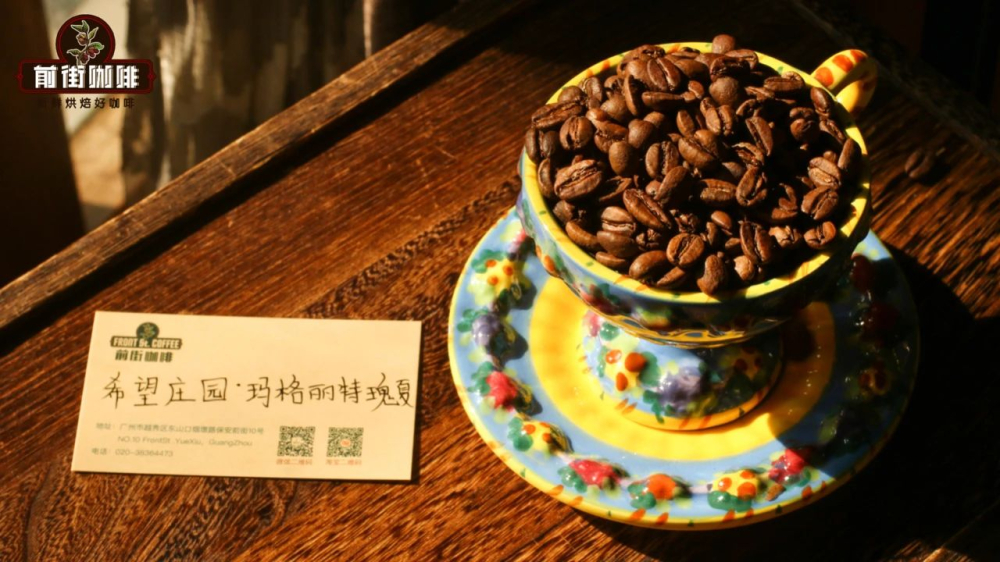
Though introduced later, Colombian Geisha benefits from the mountainous terrain’s microclimates and abundant water resources, resulting in a soft and balanced flavor. For example, the Margaretta Geisha from Finca Hope excels in floral notes, orange acidity, and honey sweetness, paired with a tea-like aftertaste. It is recommended to lower the water temperature to 90–91°C, maintain a 1:15 coffee-to-water ratio and a medium-fine grind (about 78% extraction through a No. 20 filter), to showcase its mild and harmonious character.
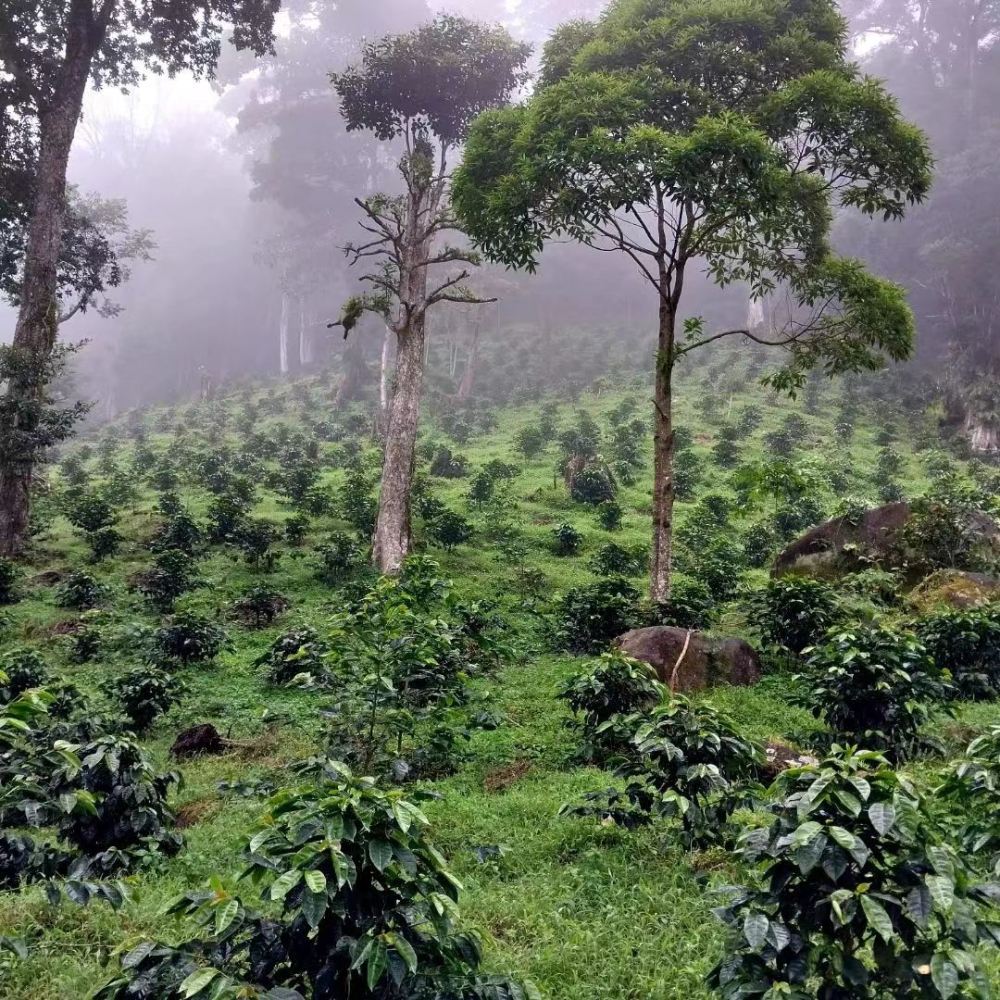
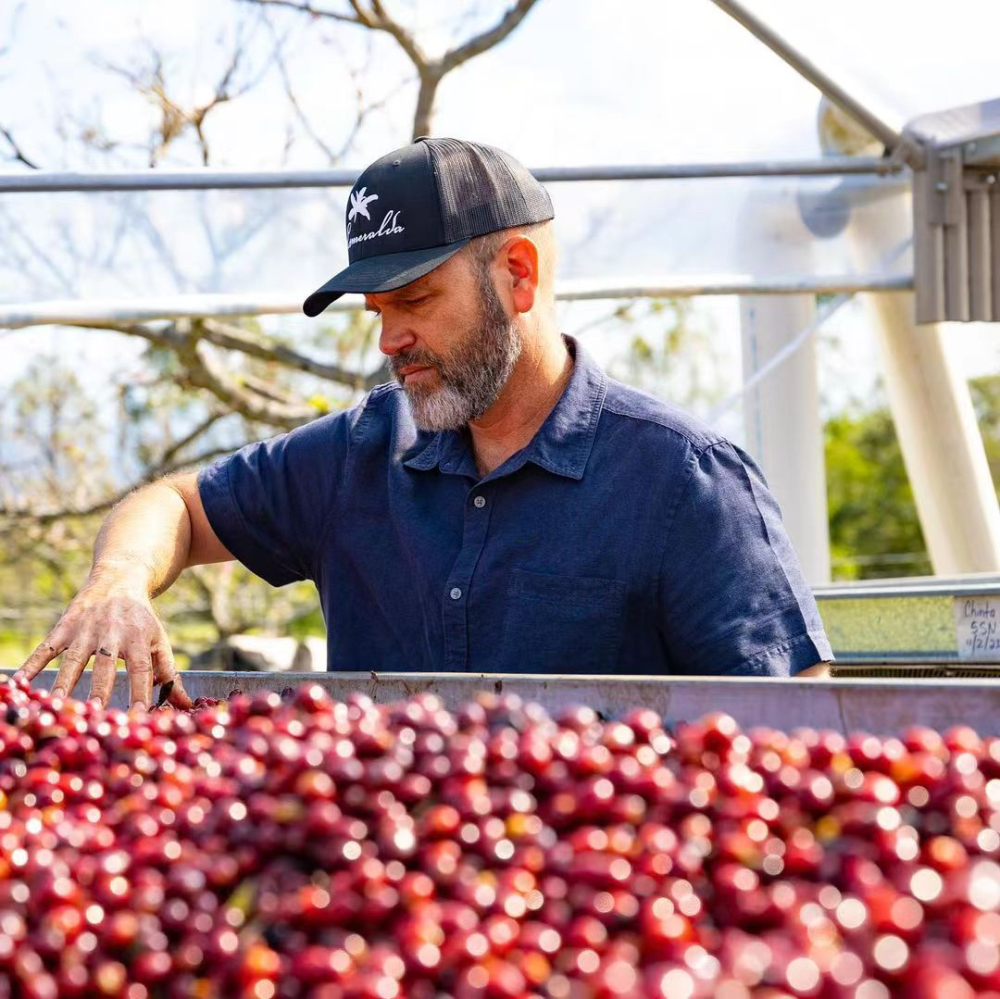
Panama’s Hacienda La Esmeralda’s Geisha has earned its place among the world’s top coffees, thanks to its unique growing environment and rigorous quality control system. Located in the high-altitude Boquete region, the farm boasts mineral-rich volcanic soil and windbreak forests, perfectly suiting Geisha’s needs. In 2003, the farm isolated Geisha from numerous varieties and carefully cultivated it. The following year, it won the BOP green coffee competition, establishing its benchmark status in specialty coffee.
The Geisha planting areas of Hacienda La Esmeralda are mainly divided into three major plots: Jaramillo (altitude 1600–1700m, annual rainfall 4000ml, diurnal temperature range 19–25°C), Canas Verdes (altitude 1600–1800m, annual rainfall 3500ml, diurnal temperature range 16–23°C), and El Velo (altitude 1700–1900m, planted with Geisha and Catuai among other varieties). Each plot is further subdivided into multiple small blocks. Through cupping by block and altitude grading, the final Red, Green, and Blue Label grades are determined.
The Red Label Geisha is exclusively sourced from the Jaramillo and Canas Verdes plots, grown at 1600–1800m altitude, with cupping scores above 90, and is only available through global auctions. This grade may be involved in independent auctions (organized by the farm itself), but non-auction Red Labels and auction lots actually come from the same plots—the difference lies only in the auction process. Red Label offers both washed and natural processing, with flavors highlighted by bright floral and citrus notes, such as rose and berry tones, juicy mouthfeel, and distinct layers.
The Green Label Geisha is also grown at 1600–1800m altitude, blending batches from Jaramillo, Canas Verdes, and other areas. Though not auctioned and of mixed origin (so specific small plots cannot be traced), it often closely resembles Red Label in flavor (such as floral, fruity, and citrus acidity), though minor details may vary slightly with each release. Green Label also offers both washed and natural processing, making it an affordable choice to experience classic Geisha flavors.
The Blue Label Geisha (also known as Geisha 1500) uses blended beans from 1400–1500m altitude, sourced from Jaramillo, Canas Verdes, and El Velo plots. Its flavors are lighter, dominated by subtle floral notes, fruit acidity, and sweetness, with less body. Both washed and natural processing are offered (natural batches were launched in small quantities in late 2019), but Hacienda La Esmeralda discontinued this grade starting from the 2021 harvest.
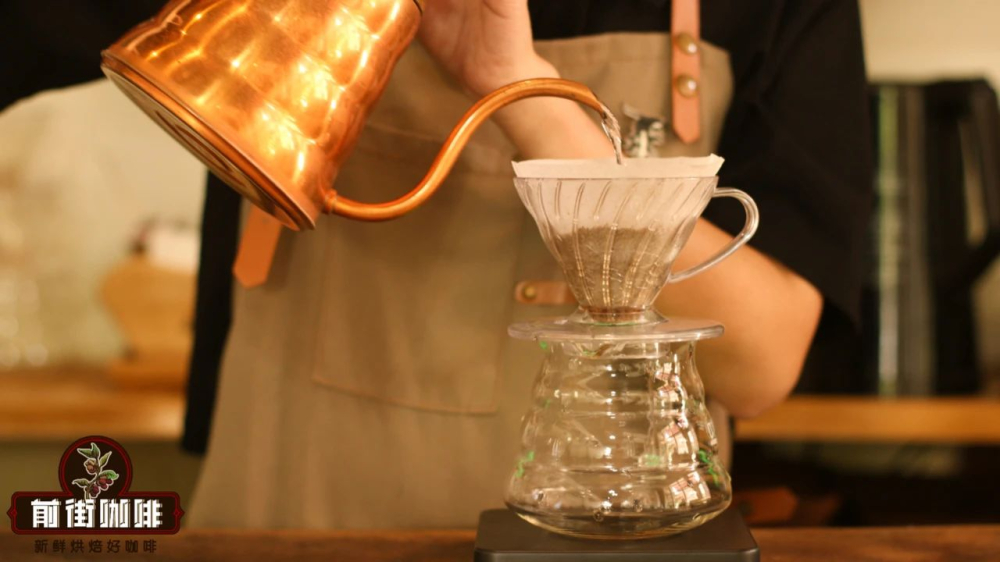
For Red and Green Label Geisha, it is recommended to use the Hario V60 dripper for pour over: water temperature 90°C, coffee dose 15g, coffee-to-water ratio 1:15, grind size medium-fine (80% extraction through a No. 20 filter—if no filter is available, adjust based on brew time; too fast indicates coarse grind, too slow indicates fine grind). The specific steps are as follows: wet the filter paper, add coffee grounds, then pour 30g of water for a 30-second bloom; follow with a steady stream to add 95g of water (total 125g, completed in about 55 seconds); finally, use a slow circular pour to add 100g of water (total 225g, dripping time around 2 minutes). Remove the dripper and swirl the coffee in the server before serving.
By understanding regional characteristics, grading systems, and precise brewing parameters, you’ll be able to more deeply appreciate the diverse charm of Geisha coffee—from the juicy body of Costa Rica, the sweet stone fruit notes of Ethiopia, to the refined layers of different grades from Hacienda La Esmeralda. Every cup is a brilliant presentation of terroir and craftsmanship.
The above content is compiled by CoffeeHunters, a coffee news website.


