







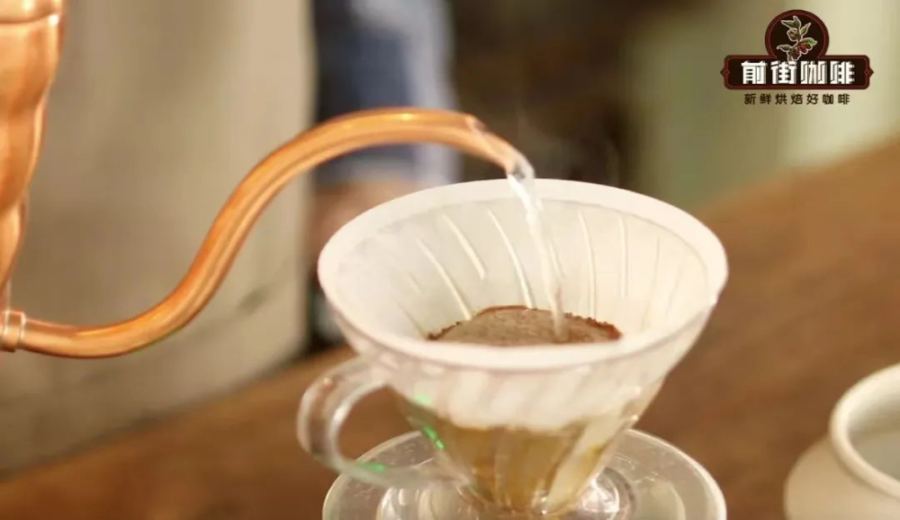
Introduction:Blooming is an extremely important yet often misunderstood step in pour over coffee. It not only affects the aroma and flavor of the coffee, but also directly relates to the overall extraction efficiency. This article delves into the principles of blooming, the optimal time range, and how to adjust blooming strategies based on the roast level, freshness, and pouring method of the coffee beans. By observing the condition of the coffee grounds, it helps you determine the ideal blooming duration that suits your beans.
In the pour over coffee brewing process, blooming is just a brief moment—just a few dozen seconds—but it is one of the key factors that influence the final flavor profile. Many coffee enthusiasts often wonder: should the 30-second bloom be counted as part of the total extraction time? And how can you tell if the bloom is sufficient? In fact, the core purpose of blooming is to release carbon dioxide from the coffee grounds, laying the foundation for the smooth extraction of subsequent flavor compounds.
Pour over is a type of drip filtration extraction where water relies on gravity to naturally seep through. If the carbon dioxide inside the coffee grounds is not expelled in advance, it will hinder proper contact between water and grounds, leading to uneven extraction or even loss of flavor. Therefore, blooming is not merely about preheating or wetting the grounds—it is the very first step in initiating the entire extraction reaction.
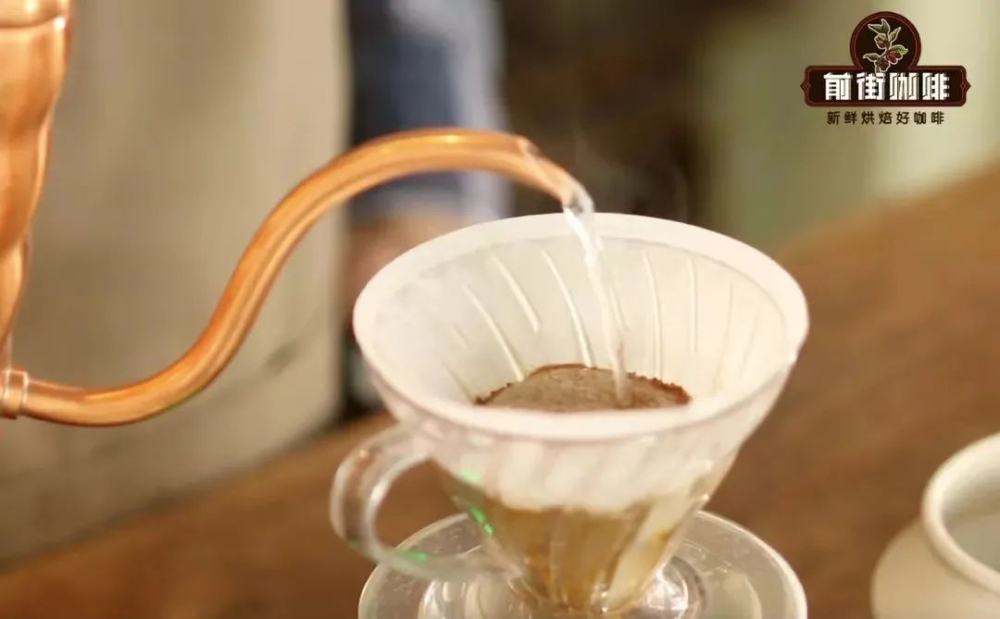
Generally, most pour over guides recommend a blooming time of 30 seconds. This value is a reference derived from the common behavior of coffee grounds expanding and degassing under standard circular pouring. However, the effectiveness of blooming can be divided into three conditions: under-bloomed, properly bloomed, and over-bloomed—each of which significantly impacts the final cup.
If the blooming time is insufficient, the carbon dioxide in the coffee grounds is not fully released, and bubbles will continue to form during subsequent pouring, disrupting water penetration and flavor release. This often results in a thin-bodied cup with noticeable astringency.In this case, the coffee bed may not appear fully expanded, and small persistent bubbles may be observed.
Conversely, if the blooming time is too long, the carbon dioxide in the grounds has already been mostly released, and excess water may cause the coffee bed to dry out prematurely, creating cavities. This leads to uneven extraction in later pours, resulting in bitterness or off-flavors.Such coffee beds often develop a visible hole early during subsequent pouring, followed by slow bubbling.
The ideal blooming state is when the coffee grounds uniformly absorb water, slightly expand, and no longer produce obvious bubbles—indicating that most carbon dioxide has been released and the coffee bed has stabilized. This process usually takes about 5 seconds, but the overall recommended blooming time is still30 secondsas a baseline, suitable for most commonly roasted beans. Even beginners can achieve good extraction results using this as a starting point.
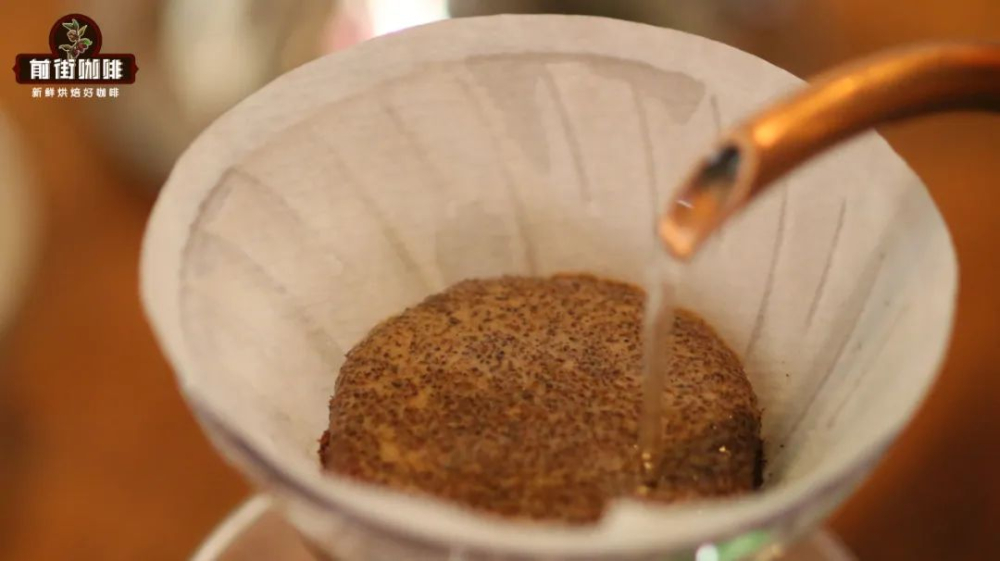
However, 30 seconds is not a fixed standard. In reality, the roast date, roast level, and pouring method of the coffee beans all significantly affect the optimal blooming time. For instance, freshly roasted beans, which contain a high amount of carbon dioxide, typically require a slightly longer blooming time—around35 secondsto ensure sufficient gas release and avoid affecting the smoothness of subsequent extraction.
During the 4 to 7 day resting period after roasting, carbon dioxide release gradually stabilizes. During this time, the blooming duration is generally controlled within28 to 30 seconds. Once the coffee beans have been stored for more than 30 days, the internal carbon dioxide has mostly dissipated, and the coffee bed will no longer expand noticeably. In such cases, the blooming time can be shortened to20 to 25 seconds.
Additionally, different roast levels, due to variations in structure and water absorption, also require adjusted blooming strategies. Darker roasts such as Indonesian Mandheling, Colombian Huila, or Brazilian Cerrado, although still high in gas content, have looser fibers and faster water absorption, making the degassing process relatively smooth. Their blooming time can be slightly shortened by5 to 8 seconds. On the other hand, lighter roasts such as natural Ethiopian Yirgacheffe, Ethiopian Huika, or Panamanian Geisha, due to their harder bean structure and slower internal gas release, benefit from a blooming time extended by5 to 8 secondsto ensure proper flavor release.
The pouring method also affects the actual blooming time. The common circular pouring technique evenly wets the coffee bed and is the method recommended in most guides, typically paired with a 30-second bloom. Techniques like the Japanese drip method, which involves a slow pouring speed, may extend the blooming process to2 to 3 minutes. This method itself utilizes slow dripping to encourage natural degassing of the coffee grounds.
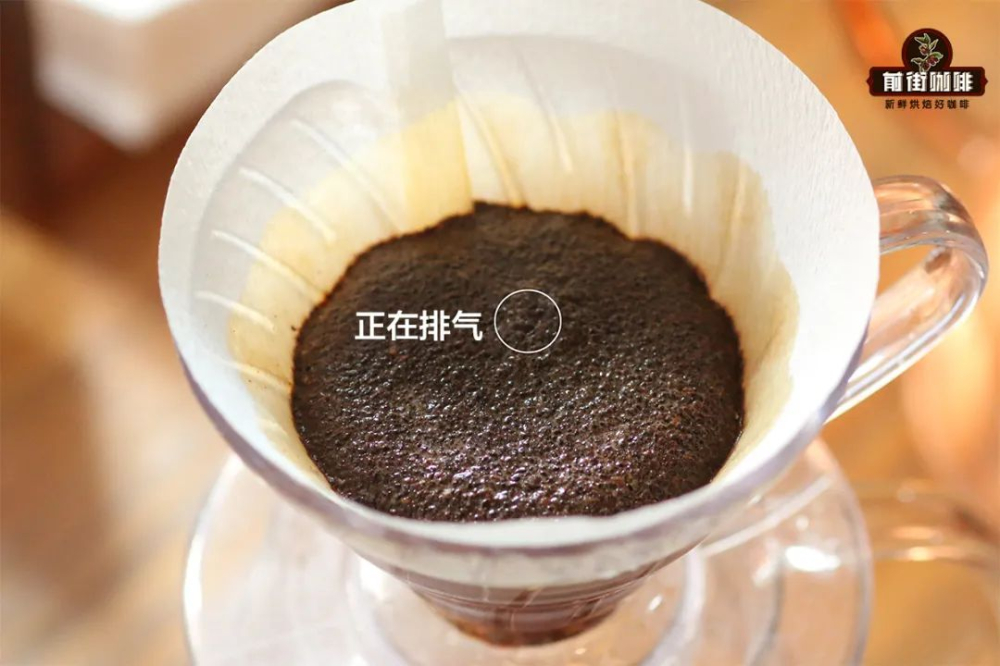
In summary, the best way to judge whether blooming is complete is to observe the state of the coffee bed. After pouring, first ensure the entire coffee bed is evenly wetted, then pay attention to its expansion and degassing. When the coffee bed stops bubbling and shows no significant movement, it indicates that blooming is finished and you can proceed to the main extraction. If the bed stabilizes at 25 seconds, you may wait an additional 2 seconds before pouring. But if bubbling continues beyond 30 seconds, be patient and wait until the gas is fully released before continuing.
In short, blooming is not just a passive waiting period—it’s a dynamic process that requires observation and adjustment. Mastering this technique will help you more precisely control the extraction performance of your pour over coffee, further enhancing the flavor potential of every cup.
The above content is compiled by CoffeeHunters, a coffee news website.


