








Introduction:If your pour over coffee tastes bitter or astringent, it could be due to the coffee bean variety, roast level, or brewing technique. This article delves into the key factors that influence the flavor of pour over coffee, including differences in coffee bean varieties, the impact of roast levels on flavor, mastering the optimal drinking window, as well as tips for adjusting grind size and extraction parameters. Through practical examples and professional settings, we’ll help you identify the source of bitterness and adjust to achieve a balanced and smooth cup.
The bitterness or astringency in pour over coffee often puzzles many coffee enthusiasts. Is it because the wrong beans were chosen, or is something going wrong during the brewing process? To solve this mystery, we need to analyze it from multiple angles—including the coffee bean variety, roast degree, storage time, and most importantly—the brewing parameter settings. With a systematic understanding, you’ll gain clearer insight into how to avoid over-extraction and brew a well-balanced, smooth cup with great flavor.

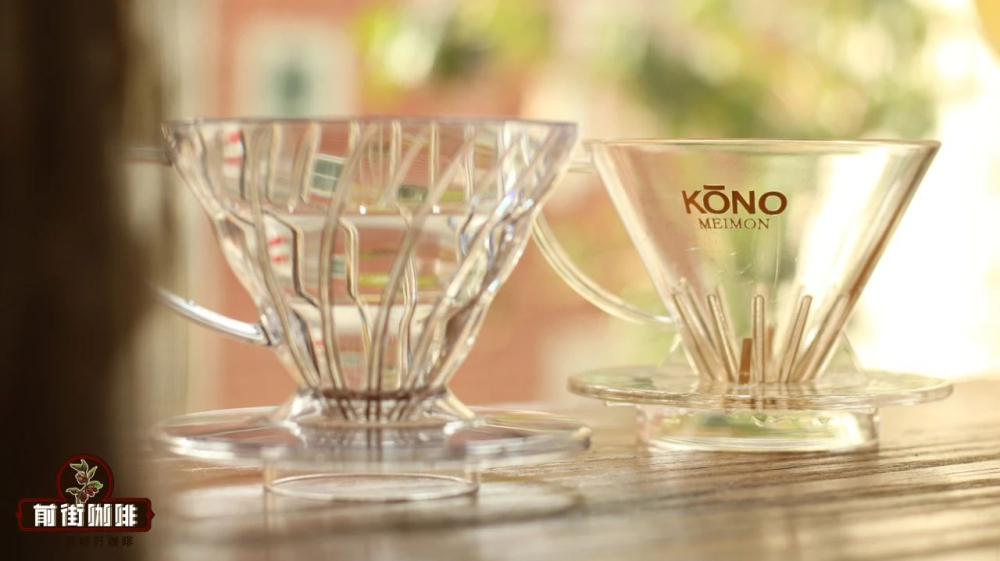
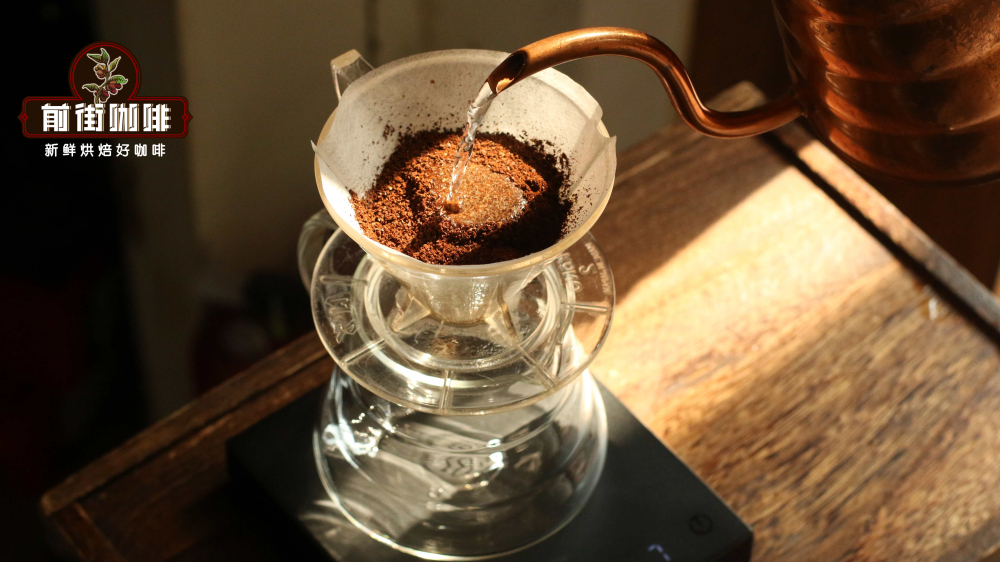
Take a light roasted, washed-process Yirgacheffe as an example. This Ethiopian coffee bean is known for its bright acidity and citrusy, floral notes. For actual pour over brewing, it’s recommended to use a V60 filter, with about 15 grams of coffee grounds, using a 1:15 coffee-to-water ratio. The grind size should be between medium and slightly fine—specifically, around 80% passing through a standard 0.85mm sieve, or set your Ek43s grinder to level 10. Water is added in three stages: the first stage involves pouring 30 grams of water for a 30-second bloom, followed by the second stage pouring up to 125 grams and letting it sit for about 10 seconds, then the final stage pours up to 225 grams. The overall water temperature is recommended to be around 90°C, with total extraction time kept to approximately 2 minutes. This helps fully showcase the bean’s delicate flavors while avoiding bitterness caused by over-extraction.
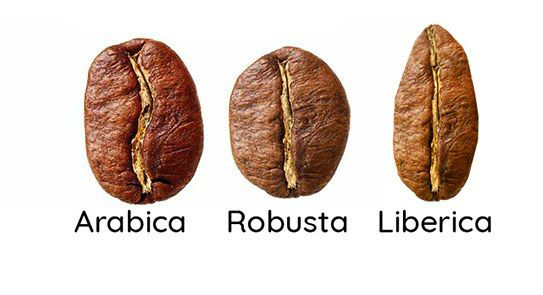
First, let’s take a look at the quality and variety differences of the coffee beans themselves. Just as using fresh, high-quality ingredients in cooking naturally enhances flavor, the quality of coffee beans is equally key to the final taste. Coffee mainly falls into three original species: Arabica, Robusta, and Liberica, among which Arabica and Robusta are the most common. Arabica grows at high altitudes, has lower caffeine content, and is rich in sugars and oils. It features bright acidity and noticeable sweetness, with complex flavor layers, which is why it is widely favored in the market and serves as the main bean type in most specialty coffee shops. In contrast, Robusta has higher caffeine content, typically carries intense bitter and burnt flavors, with less pronounced acidity and sweetness. It’s suitable for instant coffee or espresso blends, but if used for pour over, it can easily amplify bitterness.
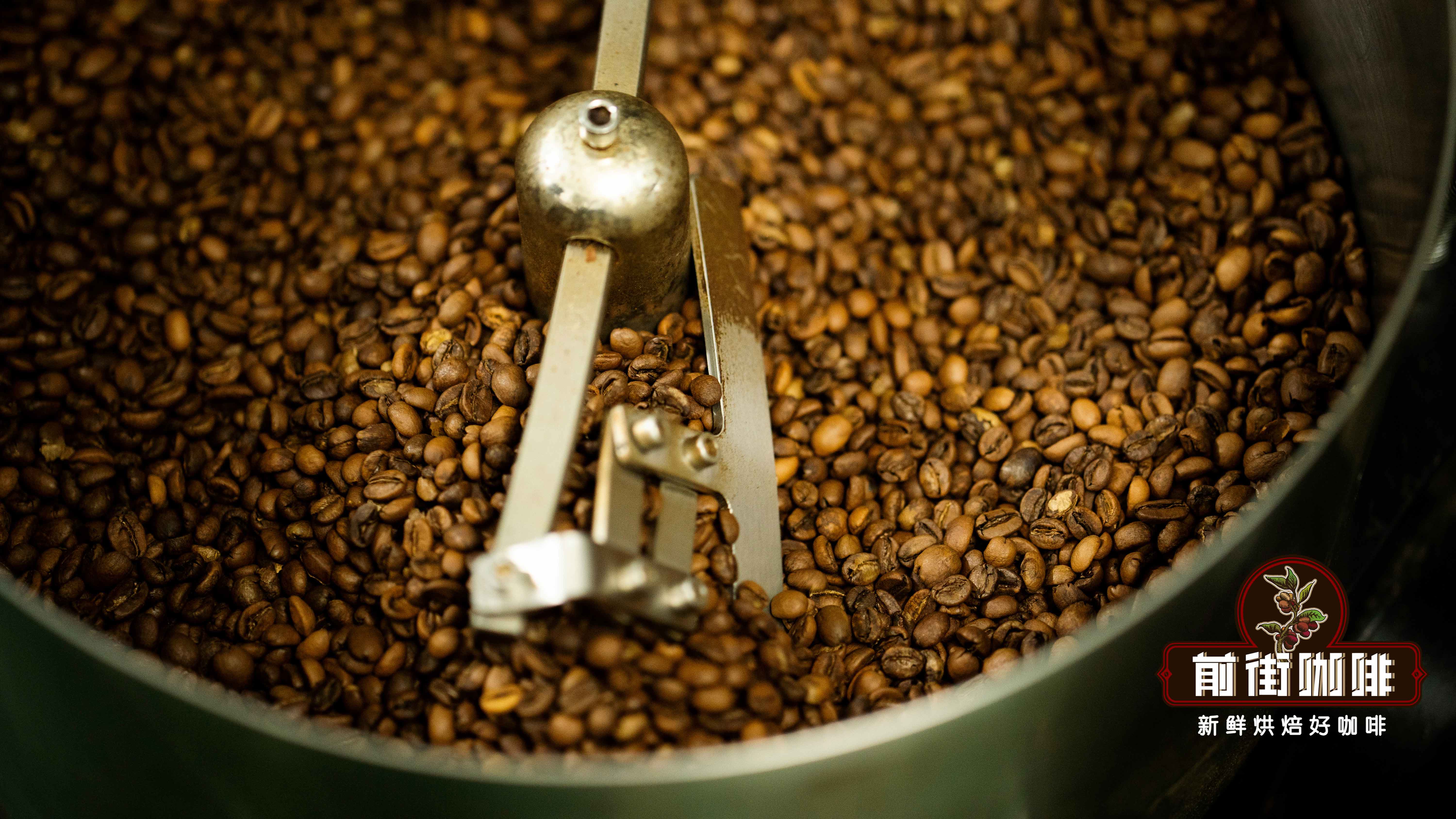
Aside from variety, roast level is also a crucial factor determining a coffee’s flavor profile. Generally speaking, the darker the roast, the more acidic compounds in the coffee are destroyed, and bitter substances like phenols are more readily released. Take dark roasted Golden Mandheling as an example: its roast curve usually continues for 3 minutes and 30 seconds after first crack, with a drop temperature reaching 204.5°C, and an Agtron value of about 61, placing it within the dark roast range according to SCA (Specialty Coffee Association) standards. These beans often have intense, bold flavors and a heavy body, but if brewed using light roast pour over methods, they can easily become overly extracted, resulting in noticeable bitterness and woody notes.
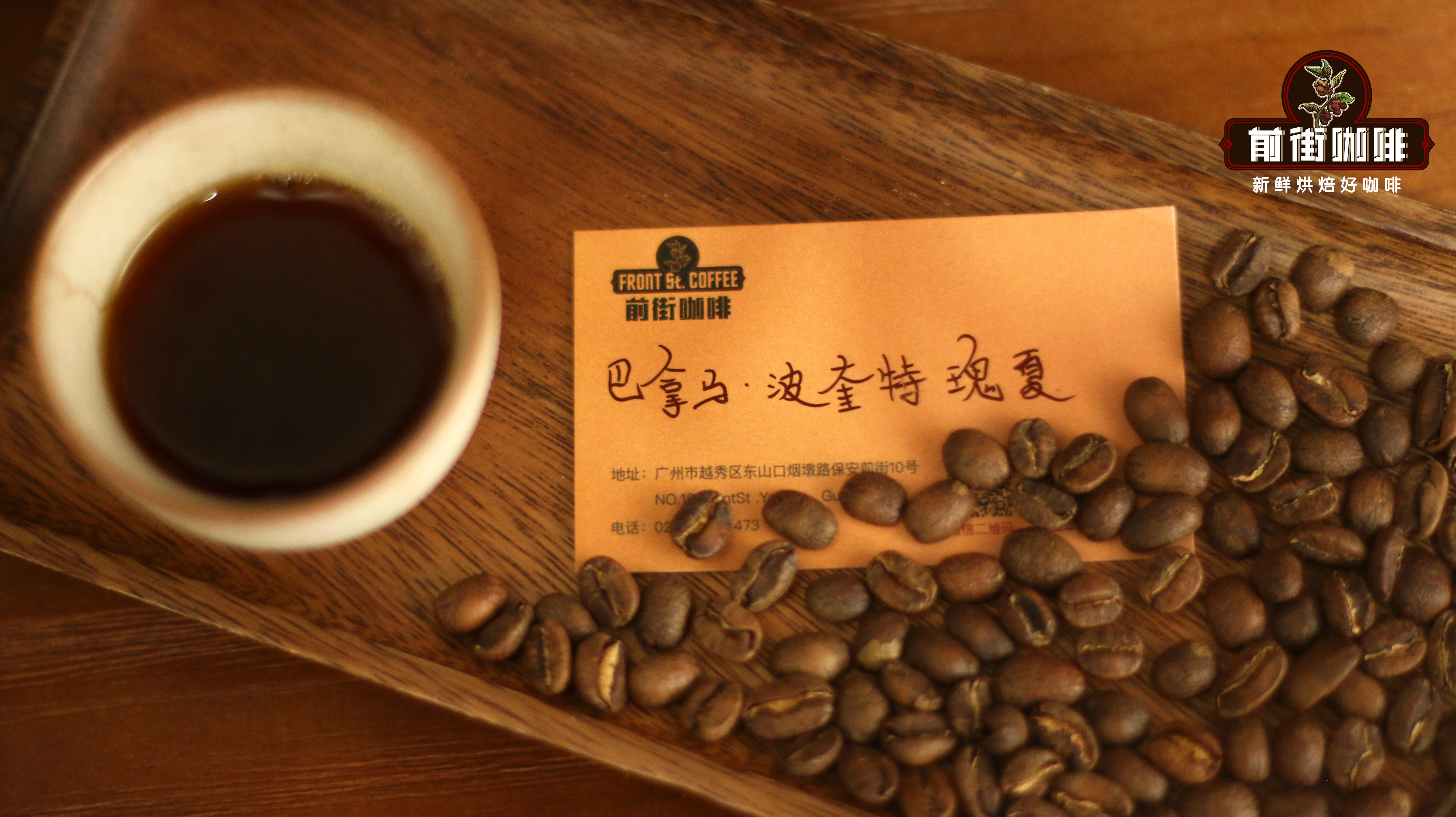
Additionally, the storage time of coffee beans is also not to be overlooked. Freshly roasted coffee beans continue to release carbon dioxide and aromatic molecules after roasting—a period known as the “resting period.” Typically, about 3 to 7 days of resting time is needed after roasting to allow internal gases to stabilize gradually, during which the flavor also peaks. Over time, aromatic molecules dissipate, and the coffee’s vibrancy and complexity decline. Therefore, it’s recommended to choose coffee beans with a recent roast date and to grind them just before brewing whenever possible, in order to retain the maximum amount of volatile aromatic compounds and avoid flavor loss or increased bitterness due to beans being too old.
During the extraction process, the “Golden Cup Theory” is a frequently referenced benchmark. According to research by the American coffee industry last century, about 30% of the extractable substances in coffee are perceptible to human taste. Among these, an extraction yield between 18% and 22%, along with a coffee concentration maintained between 1.15% and 1.35%, is considered the optimal range—known as the “Golden Cup Range.” If the extraction yield is below 18%, it’s under-extracted, and the flavor may seem thin and lacking in sweetness; if above 22%, it’s over-extracted, often leading to excessive bitterness and a rough mouthfeel. Therefore, mastering the correct extraction time and water flow rate is crucial for avoiding bitterness.
Finally, grind size is one of the most influential variables in pour over brewing that affects extraction. Grinding too coarse can cause water to pass through too quickly, leading to under-extraction, resulting in weak, flat-tasting coffee with little complexity. Grinding too fine can restrict water flow, lengthen extraction time, and lead to over-extraction of bitter substances. Therefore, adjusting grind size appropriately based on the type of filter used, the roast level of the coffee beans, and personal taste preferences is a fundamental skill every pour over enthusiast should master. Beginners are advised to start with a medium-fine grind and then fine-tune based on actual extraction results to find the balance point that best suits their taste.
The above content is compiled by CoffeeHunters, a coffee news website.


