







Introduction:Many coffee enthusiasts prefer low-acid, full-bodied flavors when selecting espresso beans. However, factors influencing the acidity, sweetness, and mouthfeel of coffee go beyond roast level — they are also closely related to the origin characteristics and processing methods. This article delves into the differences in acidity and aroma between Brazil and Indonesia’s Mandheling, two major coffee-growing regions, and explains how they can be blended to create a classic espresso with rich aroma and low acidity. It also explores how medium-dark roasting and the wet-hulling process affect flavor, helping readers choose a blend that suits their taste.
Among various coffee beverages, espresso and its derivatives such as lattes and cappuccinos have always been the top choices for many coffee lovers. However, many people’s first impression of espresso is often “too acidic” or “harsh,” leading them to prefer options with low acidity and a full-bodied taste. So, how do you choose an espresso that is not acidic yet aromatic? The key lies in the bean’s origin, processing method, and roast depth.
Generally speaking, dark roasting can effectively reduce the acidity of coffee. Under prolonged high-temperature treatment, the acidic compounds in coffee beans are largely broken down, while more caramel, nutty, and other intense aromas are released. At the same time, dark-roasted beans expand more, releasing more carbon dioxide, which helps form a thick, velvety crema during extraction, resulting in a smoother and more layered mouthfeel.
In terms of origin characteristics, African coffees often exhibit prominent floral and fruity aromas, but may lack a bit in body; American beans such as those from Brazil and Colombia are known for their balanced sweetness, nutty, and caramel tones, with moderate body; as for Asian origins, especially Sumatra in Indonesia, coffee usually displays low acidity, a heavy body, and earthy, herbal, and spicy notes, making it very suitable for creating blends with rich and well-balanced profiles.
Therefore, if the goal is to craft an espresso blend that is “low-acid, full-bodied, and suitable for daily drinking,” it is recommended to prioritize combining beans from Asian and American origins, and apply medium-dark or dark roasting to enhance the body and reduce acidity, while maintaining sufficient aromatic support. Such blends are not only ideal for espresso but also work well with milk to produce balanced lattes or cappuccinos.
Taking the classic three-country, two-continent blend as an example, common recipes combine beans from Brazil, Indonesia, and Vietnam. By leveraging the complementary traits of different origins, this approach creates an espresso base with a rounded mouthfeel, rich aroma, and low acidity. This type of blend is suitable for both professional baristas and home brewers, being easy to handle and forgiving.
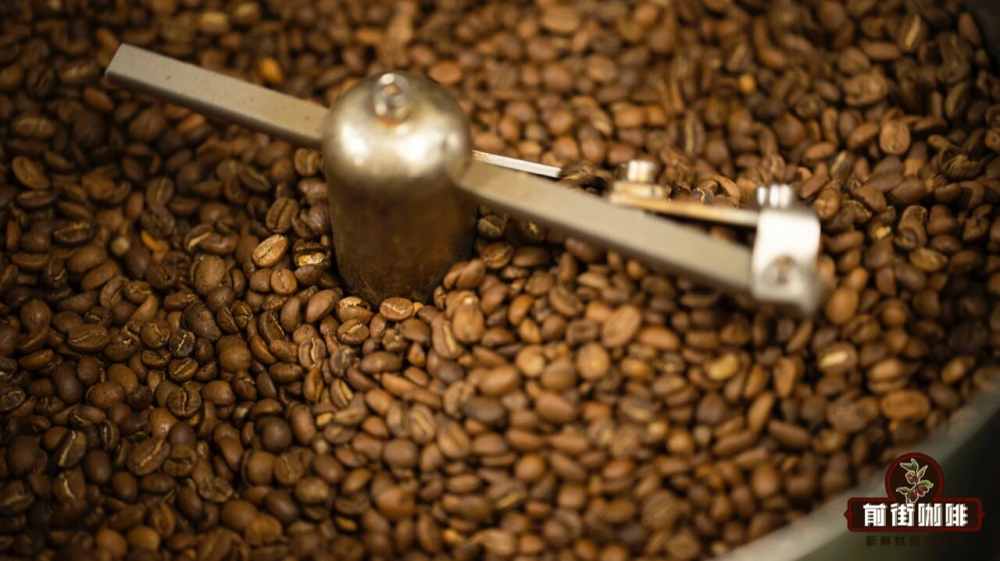
Among them, Brazilian coffee is often considered the cornerstone of espresso blends. Take Brazilian Red Bourbon as an example — this bean is typically medium-dark roasted, offering mild fruity acidity, soft sweetness, and rich notes of nuts, peanuts, and caramel. Such beans are not only suitable as a blending base but can also be used for single-origin pour over, showcasing a stable and pleasing flavor profile. They are a popular, reliable choice among many roasters.
As for Mandheling from Sumatra, Indonesia, it plays an indispensable role in low-acid espresso blends. Due to its unique geographical environment and humid climate, along with the local specialty “wet-hulling process” — where the outer parchment layer is removed before the beans are fully dried, exposing them to air to accelerate fermentation — Mandheling develops distinctive herbal, woody, and spicy characteristics. This processing method elevates the coffee’s body and adds a hint of earthy and spicy finish.
To fully highlight these features, Mandheling is usually dark roasted, further reducing acidity while emphasizing a rich, low-acid, slightly bitter yet long-lasting aftertaste. These beans are not only suitable for use in espresso machines but also compatible with moka pots, pour over, and drip brewing, making them a highly versatile and distinctive coffee bean.
In addition, choosing freshly roasted coffee beans is also key to influencing the final flavor. Generally speaking, coffee beans roasted more than five weeks ago not only experience a noticeable decline in aroma, but the quality of the crema also becomes thinner, affecting the overall drink experience. Therefore, it is recommended that consumers choose products with clear roast dates, and opt for beans that have been roasted as recently as possible, to achieve the best extraction results and flavor performance.
The above content is compiled by CoffeeHunters, a coffee news website.


