







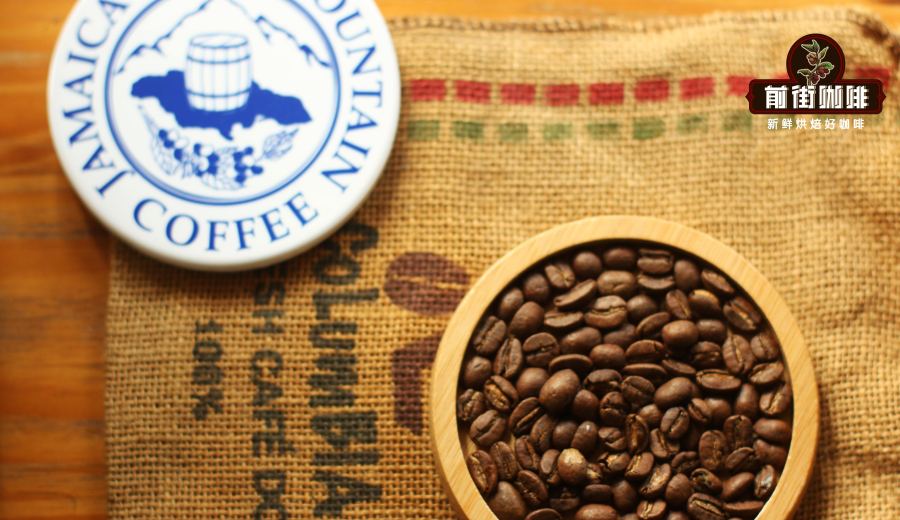
Introduction:Jamaica Blue Mountain No. 1 coffee is renowned for its unique balanced flavor and rare origin, making it a dream bean for many coffee enthusiasts. This article delves into the regional restrictions, varietal characteristics, and classic flavor profile of Blue Mountain No. 1, while offering expert pour-over brewing advice and tips on authentic identification. It helps you master the essence of this top-tier coffee from bean selection to brewing.
The fame of Blue Mountain coffee has long transcended regions and cultures, becoming a legend among specialty coffee lovers worldwide. Although newer varieties like Geisha have risen in recent years, Blue Mountain No. 1 continues to hold its place at the pinnacle of taste among veteran Asian coffee aficionados with its precisely balanced acidity, sweetness, and bitterness, along with a rich mouthfeel. This article focuses on Jamaica Blue Mountain No. 1, breaking down the charm of this classic bean step by step—from regional details and varietal origins to flavor features—while also providing practical pour-over parameters and key points for identifying authenticity, enabling you to brew at home with a flavor profile close to that of the origin.
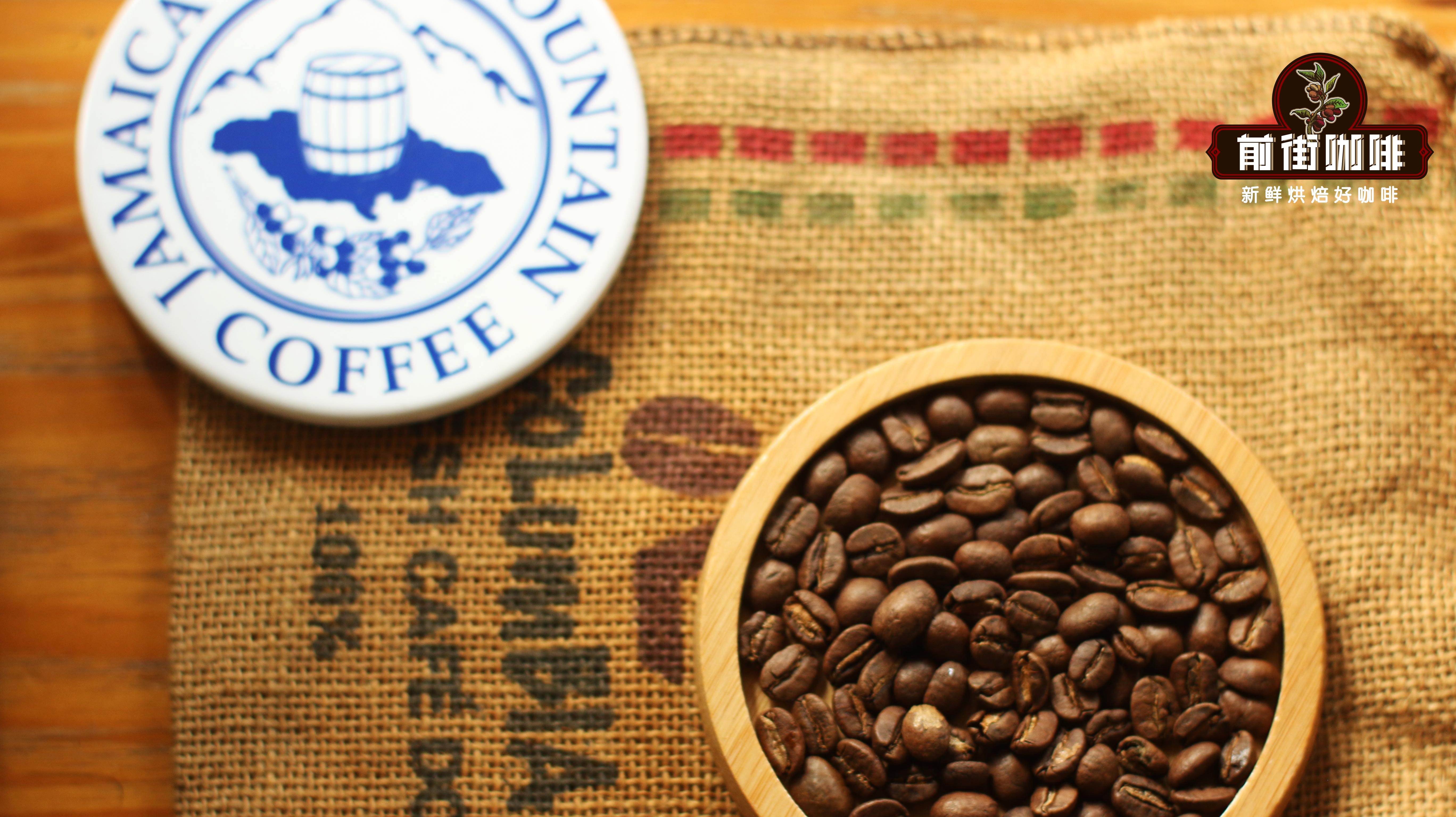
In the global coffee landscape, the reputation of Blue Mountain coffee is virtually unmatched, especially for Asian consumers, for whom it is often their first encounter with premium coffee. Over the past decade or so, Blue Mountain was once considered the pinnacle of both quality and price, even earning the title of “the most expensive coffee in history.” However, with the rise of the specialty coffee movement, various regions have made continuous breakthroughs in cultivation techniques and varietal development. Panama Geisha, with its unique floral notes and rich fruity acidity, refreshed the market’s definition of “premium” by achieving an auction record of over $40,000 per kilogram. Even so, Blue Mountain No. 1, with its uniquely steady flavor, remains a cherished choice for many seasoned drinkers—the full-bodied and solid mouthfeel, paired with the harmonious balance of acidity, sweetness, and bitterness, is precisely the secret to its enduring appeal.
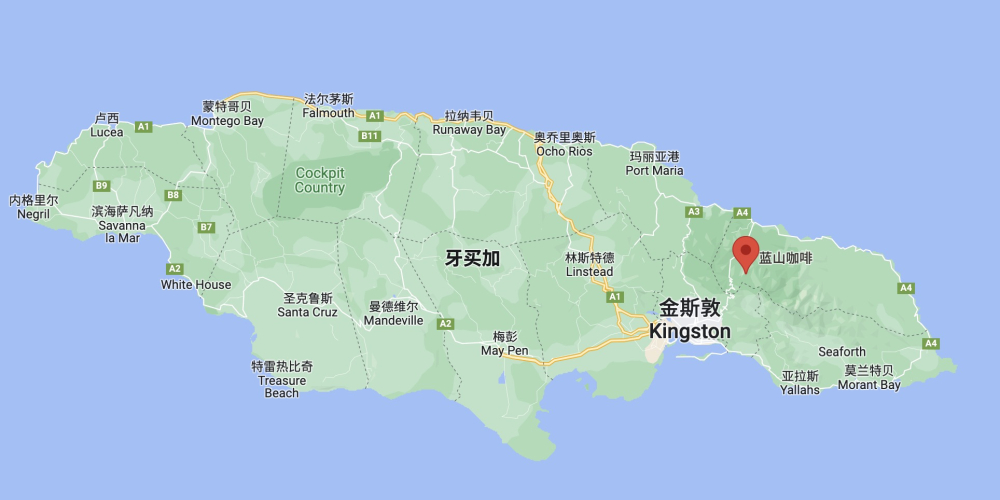
The “authentic lineage” of Blue Mountain coffee is inseparable from its strict regional restrictions.True Blue Mountain coffee is produced only in specific areas of the Blue Mountain mountain range in eastern Jamaica.These areas specifically include the four administrative regions of St. Andrew, St. Thomas, St. Mary, and Portland, and the planting altitude must be between 910 and 1700 meters to qualify for the “Blue Mountain” label.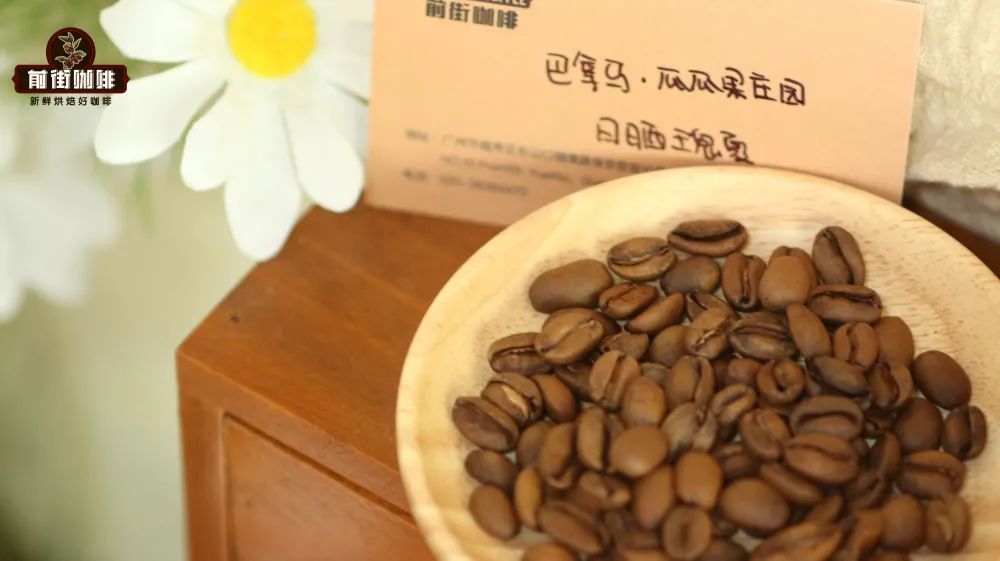 Coffee grown at elevations between 500 and 900 meters is classified as “Jamaica High Mountain Coffee”; those below 500 meters can only be called “Jamaica Supreme Coffee,” and are not considered Blue Mountain.
Interestingly, “Blue Mountain” is not the name of a coffee variety, but rather the name of the highest mountain range in the Caribbean. This mountain range earned its name due to the unique blue haze it emits under sunlight, caused by year-round cloud cover. The variety of Blue Mountain coffee is actually Typica, the oldest member of the Arabica family—introduced to the Blue Mountain region in the 18th century. After more than two centuries of local adaptation, it has evolved into a stable type with strong disease resistance and a distinctive flavor. Compared to Typica from other regions, Blue Mountain Typica has developed an intricate and hard-to-replicate flavor profile through long-term acclimatization to the local environment.
The unique flavor of Blue Mountain coffee stems from its exceptionally favorable growing environment.Located in a volcanic seismic zone, Blue Mountain features mineral-rich volcanic soil, significant diurnal temperature variation due to high elevation, coupled with year-round cloud cover and abundant rainfall.This provides ample nutrient accumulation for coffee cherries. As a result, Blue Mountain Typica not only exhibits the clean and delicate foundational traits of the variety but also carries a distinct layer of sweetness. It should be noted that even within the Blue Mountain range, only beans from higher-altitude areas (such as above 1300 meters) can fully present the perfect balance of acidity, sweetness, and bitterness; beans from lower-altitude regions often fall slightly short in balance and clarity.
Faced with numerous products on the market labeled as having a “Blue Mountain flavor,” how can you identify genuine Blue Mountain No. 1? Here are several key points: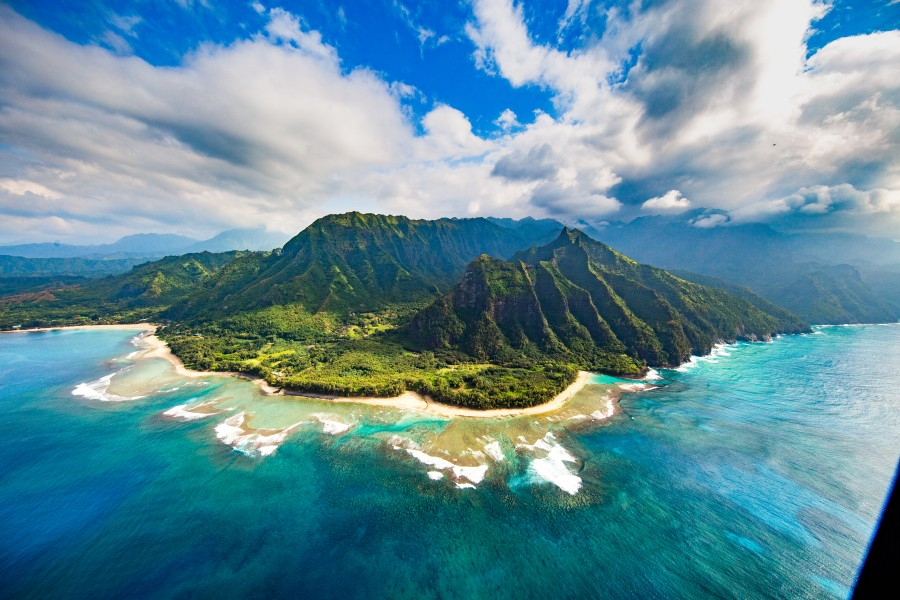 First, Blue Mountain No. 1 coffee beans are all exported in whole wooden barrels. When purchasing, you can ask the seller to show the complete barrel to avoid being sold mixed beans in bulk. Second, primary green bean buyers can apply for a certification certificate from the Jamaica Coffee Industry Board (CIB) or the producing estate, which serves as the most direct proof of origin. Lastly, most Blue Mountain single-origin beans currently circulating in the market are of the No. 1 grade, with the green bean grading standard being “over 96% of beans must be 17 mesh size or larger, with defective beans not exceeding 2%.” Therefore, the beans usually appear uniformly oval-shaped, plump, and glossy.
 As for brand selection, it’s actually not the key—all authentic Blue Mountain beans come from the four CIB-authorized processing plants and independent farms in Jamaica. Differences mainly lie in price and service. It’s recommended to first confirm the authenticity of the beans, then choose based on cost-performance.
If you’ve already acquired authentic Blue Mountain No. 1 (for example, a batch from the Clifton Estate at an altitude of 1310 meters, which is also the only region in Jamaica certified by Rainforest Alliance, with a green frog logo printed on the barrel), the next focus is how to brew it to bring out the best flavor. Taking commonly available dark-roasted Blue Mountain as an example, it is recommended to use a KONO filter for pour-over—the tight filter paper design extends extraction time, creating an immersion-like effect that enhances the overall richness of the coffee. At the same time, to avoid bitterness or astringency caused by high temperatures or over-extraction, it’s essential to control water temperature and grind size:Recommended water temperature is 88°C, with a coffee-to-water ratio of 1:15 (e.g., 15 grams of coffee grounds to 225 milliliters of water), and a grind size of about 75% passing through a 20-mesh sieve (medium-coarse)..
The specific operation can be divided into three pours: first, pour 30 grams of hot water for a 30-second bloom to awaken the coffee aroma; then, using a slow, thin stream, pour in a circular motion from the center until reaching 125 grams, pause until the water level in the filter is about to expose the coffee bed, then continue pouring in circles up to 225 grams, with total extraction time controlled to around 2 minutes. After completion, gently swirl the coffee liquid before tasting.Under these parameters, the flavor profile of Blue Mountain No. 1 is as follows: during the bloom stage, a distinct caramel sweetness can be detected. Upon tasting, rich flavors of nuts and dark chocolate are layered and clear, with a full and rounded mouthfeel. The aftertaste offers a lasting sweetness and a clean finish, perfectly embodying the reputation of Blue Mountain as the “King of Balance.”
The above content is compiled by CoffeeHunters, a coffee news website.


