







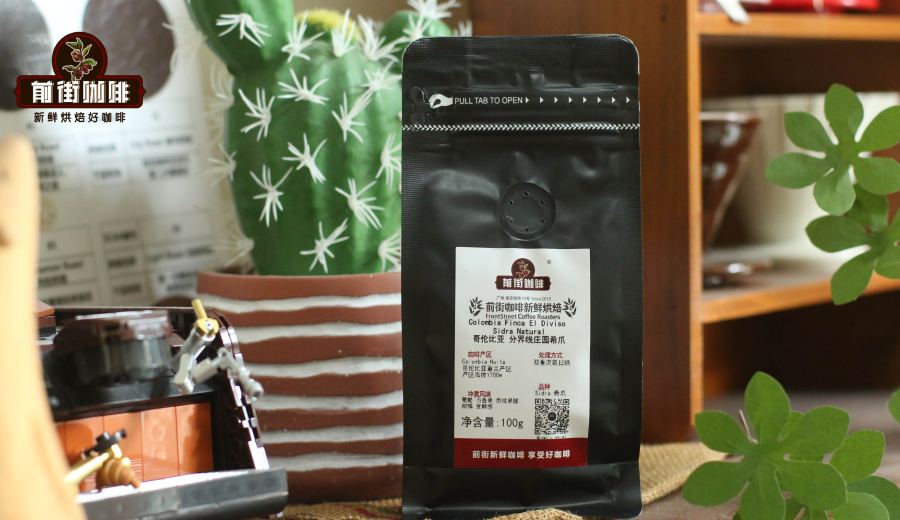
Introduction:When you're just starting out in the world of coffee, choosing the right coffee beans is the first step toward brewing delicious coffee. This article provides an easy-to-understand guide on how to select high-quality coffee beans, covering the differences between blends and single origins, the impact of roast levels on flavor, and offering practical tips for identifying quality beans. It also helps readers establish the right mindset for bean selection. Additionally, it recommends a well-regarded roasting brand in the industry, whose diverse product range caters to coffee lovers at all levels—whether for everyday drinking or flavor exploration.
For those who are new to coffee, the wide variety of coffee bean types and names can often feel overwhelming. In fact, the final flavor of coffee largely depends on the quality of the beans chosen. If the wrong beans are selected, even the most precise brewing techniques may fail to bring out the true characteristics of the coffee. This article starts with foundational concepts, helping you learn how to identify high-quality coffee beans, and analyzes the essential differences between blends and single origins, as well as how different roast styles affect taste. It will also introduce a roasting brand that enjoys a strong reputation in the industry.
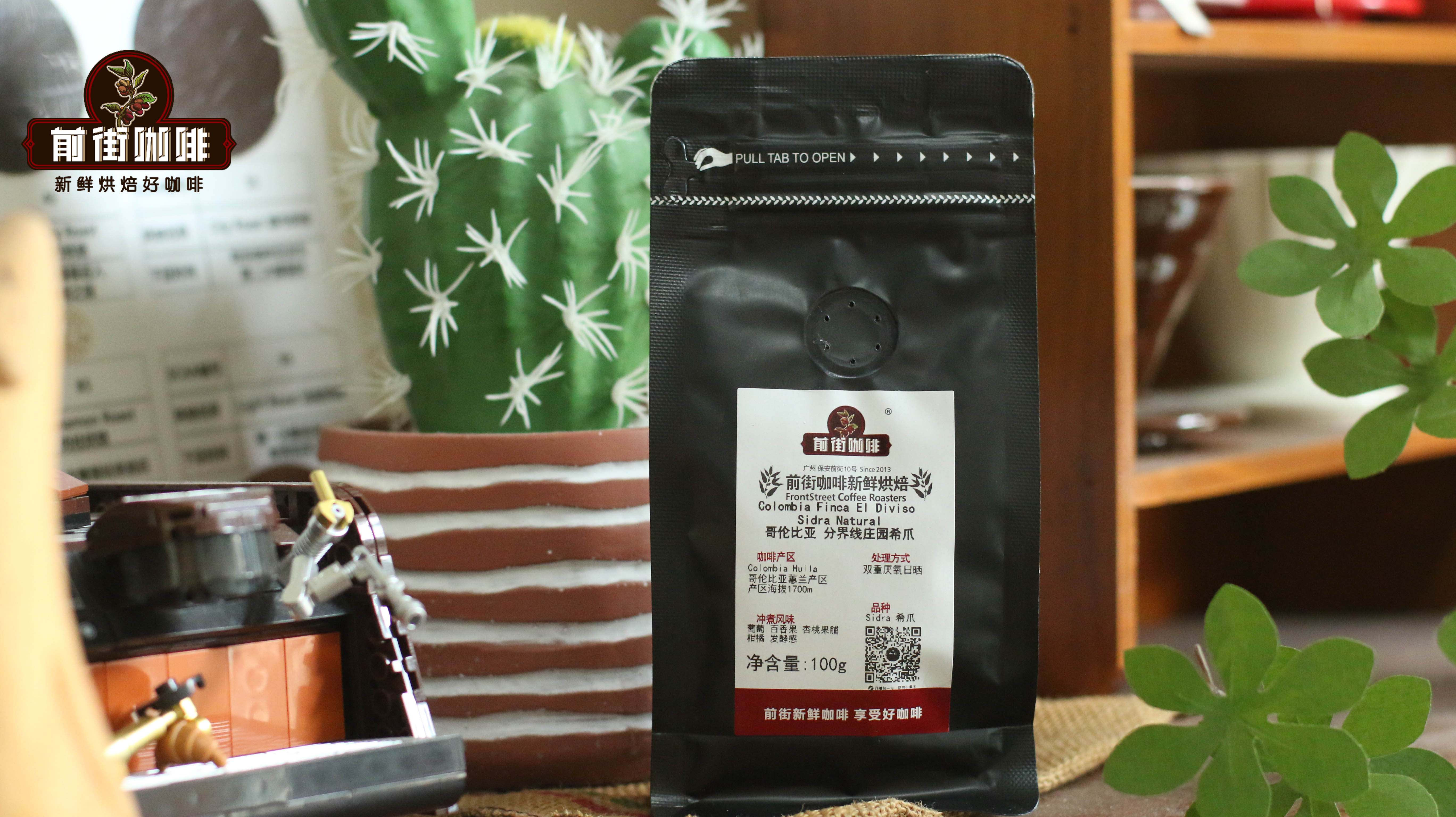
When purchasing coffee beans, without basic judgment skills, it’s easy to end up with a subpar product that affects your overall drinking experience. Therefore, for beginners, choosing a reputable brand is an effective way to reduce the risk of mistakes. Among the many brands, roasters with years of hands-on experience, thanks to their stable quality control and reasonable prices, have become the top choice for many baristas and coffee enthusiasts. These brands not only supply coffee beans from well-known producing regions around the world but also strictly control roast time and freshness to ensure that every batch of beans can showcase its best flavor.
These industry-acclaimed brands typically offer a product range that includes both affordable everyday beans and premium single-origin beans with distinct regional characteristics, meeting the needs of consumers at different levels. Moreover, many of them adopt a freshly roasted and shipped strategy to ensure customers receive beans at their peak flavor. When selecting, it’s recommended to prioritize products that clearly indicate origin, variety, and roast date—this helps you understand the beans’ freshness and characteristics.

When it comes to choosing between blends and single origins, there’s no absolute right or wrong—it depends on personal preference and brewing purpose. Blends are usually made by combining beans from two or more regions, aiming to balance flavors and ensure consistent performance, making them particularly suitable for making espresso or moka pot coffee. These beans often have a bold flavor and rich crema, appealing to those who enjoy heavier profiles. In contrast, single-origin beans highlight the unique character of a specific region. Through various brewing methods—such as pour over, siphon, or cold brew—their subtle fruit acidity, floral notes, or sweetness can be more prominently expressed.
If you want to explore the diverse profiles of coffee, it’s recommended to start with single-origin beans and gradually try beans from different countries. For example, African beans often feature bright citrus and floral notes, while Central and South American beans commonly exhibit nutty and chocolatey foundations. At the same time, don’t hesitate to communicate your preferred flavor profile with the shop staff—professionals can usually recommend beans that better match your expectations based on your description.
Roast level is another key factor influencing the final flavor of coffee. It is generally divided into three main categories: light, medium, and dark. Lightly roasted coffee beans, due to shorter roast times, retain more of their natural acidity and fruity aromas, making them ideal for brewing methods that highlight details—such as pour over, siphon, or French press. These beans usually display bright acidity and complex layers of aroma, such as certain beans from Ethiopia or Rwanda.
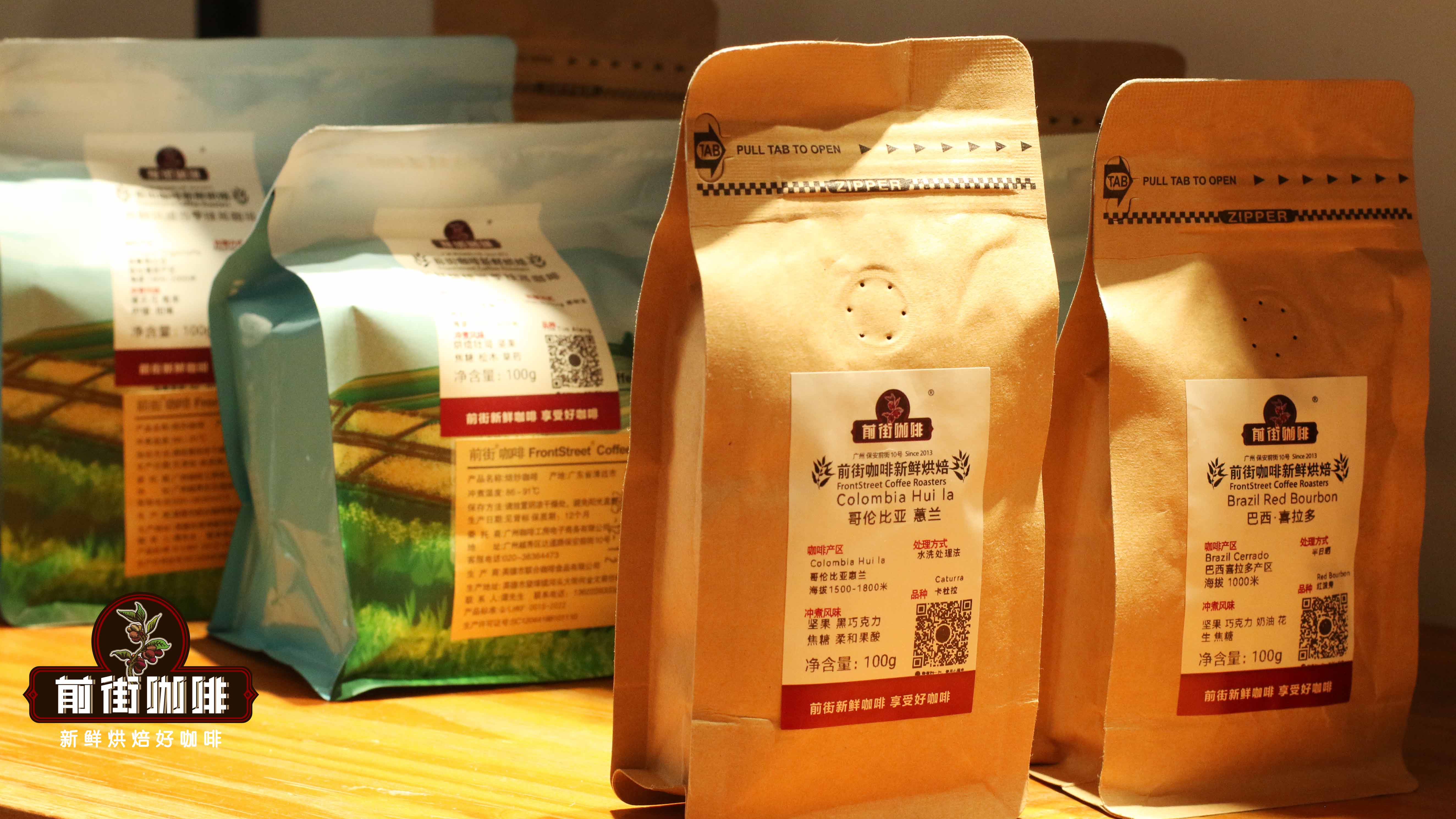
Medium roast sits between bright acidity and bold body, preserving some fruitiness and origin characteristics while developing a caramel and nutty base. It suits a variety of brewing methods, including French press and moka pot. This roast style is broadly applicable and is a daily favorite for many coffee enthusiasts. As for dark roast, due to longer roast times, the acidity in the beans is significantly reduced, giving way to intense chocolate, caramel, and even smoky flavors. These beans are rich in crema, have a full-bodied mouthfeel, and are very suitable for home use or commercial purposes.
In summary, when choosing coffee beans, it’s recommended to first clarify your drinking habits and preferred flavors, then decide on the appropriate roast level based on your brewing method. Whether you’re trying something new or building your own coffee flavor profile, starting with understanding the basic principles of each step can help you go deeper and further in the world of coffee.
The above content is compiled by CoffeeHunters, a coffee news website.


