







Introduction:Cold brew coffee, with its refreshing, low-bitterness, and smooth taste, has become the top choice for summer or those seeking milder flavors. Compared to traditional hot brewing methods, cold brew requires a longer steeping time, but the process is simple, and the flavor profile is quite different. This article will analyze the characteristics of cold brew coffee, the types of people it suits, and provide detailed brewing steps and key parameters. It also recommends several coffee bean varieties that are well-suited for cold brew, allowing you to easily brew balanced-flavor cold brew coffee at home.
The biggest difference between cold brew coffee and regular hot-brewed coffee lies in the brewing method and the final flavor profile. Since it is entirely steeped in cold or iced water, cold brew typically does not carry a noticeable bitterness, has a gentler acidity, and presents an overall rounder flavor with a hint of fermentation complexity. This low-temperature extraction method also allows certain compounds in coffee to be released more slowly, resulting in a taste experience distinctly different from hot brewing.
Because cold brew coffee needs to be prepared in advance—usually requiring at least 12 hours of refrigerated steeping—it’s not suitable for immediate consumption, but it’s ideal for advance planning, large batches, and storage in portions. This characteristic also makes it a great option for office workers, students, or anyone who likes to prep meals in advance. As long as you get the ratio and time right, you can easily replicate café-grade cold brew flavors at home.
The brewing process for cold brew is actually not complicated—the key lies in controlling the coffee-to-water ratio, grind size, and steeping time. It is generally recommended to use a medium-coarse grind, similar to that of a French press, roughly around 85% passing through a standard #20 sieve, which ensures good water flow without over-extraction. For the coffee-to-water ratio, a common range is 1:12 to 1:15, which can be fine-tuned slightly based on personal taste preferences.
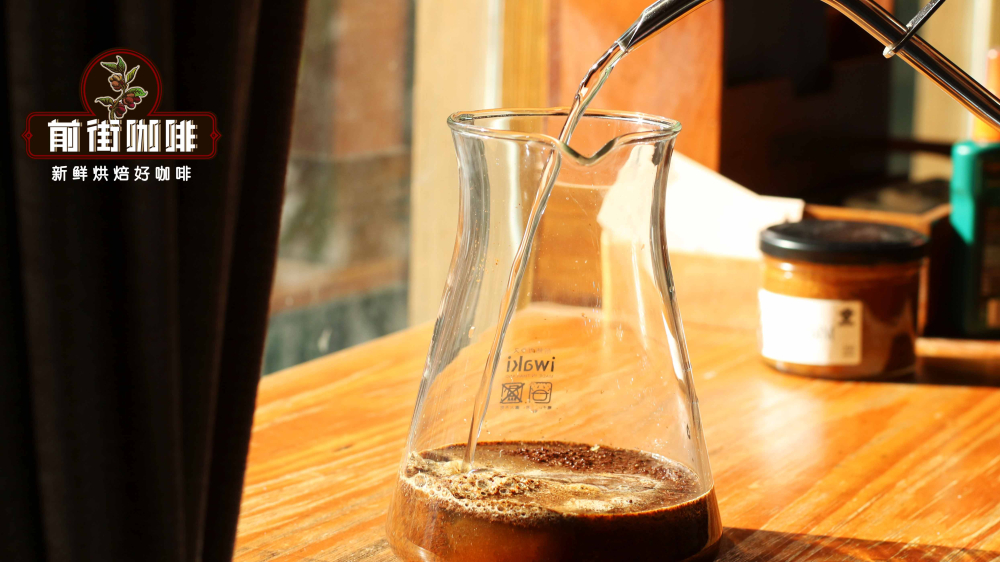
In terms of specific steps, you can start by preparing 50 grams of coffee beans, grinding them, and placing them in a clean glass bottle or sealed container. Then add 400 milliliters of room temperature water along with 200 grams of ice cubes, for a total water volume of about 600 milliliters. Use a stirring stick to evenly mix the coffee grounds and water, then tightly seal and place in the refrigerator’s chilling compartment to steep. The recommended steeping time is 12 to 24 hours; the longer the time, the richer the flavor tends to be, though there is also a higher risk of over-extraction.
After steeping, use filter paper or a filter cloth to remove the coffee grounds, leaving behind clear coffee liquid. To make the flavor more stable, you can pour the filtered coffee liquid into a clean, sealed bottle and refrigerate it for about 4 hours before drinking. This period helps further develop flavor balance and mouthfeel.
The flavor profile of cold brew coffee is typically characterized by low bitterness, low acidity, and a full body, accompanied by a touch of sweetness and subtle fermented aromas. These characteristics make cold brew very suitable for direct consumption, as well as a base for mixed drinks. For example, adding soda water can introduce a refreshing bubbly sensation, pairing with fruit juice can create a sweet-and-sour balanced fruit coffee beverage, and mixing with fresh milk results in a smooth and silky milk coffee texture—with a high degree of versatility.

When selecting coffee beans suitable for cold brew, it’s recommended to prioritize beans with distinct floral and fruity notes. Readers who prefer a fresh floral aroma can look for coffees with citrus, jasmine, or peach-apricot flavors—these types of beans often exhibit more prominent aromatic layers after cold brewing. If you prefer intense fruitiness and a juice-like feel, you can choose coffees with berry or tropical fruit notes; the fruit aromas will be more concentrated and layered after cold brew.
Additionally, the cold brew process has lower tolerance for coffee bean defects, so it’s advisable to choose beans with high freshness, good processing methods, and stable quality to ensure the final extracted flavors are purer. Commonly suitable processing methods for cold brew include washed, honey, and natural. Among these, washed processing delivers clear acidity and a clean finish, honey processing often exhibits rich sweetness and a viscous mouthfeel, while natural processing enhances fruitiness and intense flavors.
In summary, cold brew coffee is a beverage suitable for slow sipping, ideal for summer drinking, and can be adjusted and varied according to personal preference. Whether you’re pursuing a refreshing, low-stimulation drink, want to try a new brewing method, or hope to enjoy café-level cold brew flavors at home, mastering the above parameters and suggestions will allow you to easily step into the world of cold brew and explore more of your own unique coffee flavor possibilities.
The above content is compiled by CoffeeHunters, a coffee news website.


