







Introduction:Brazil is the world’s largest coffee producer, but many believe its flavors lack complexity. In fact, from the honey-processed Red Bourbon of Cerrado to the high-altitude Yellow Bourbon of Fazenda Rainha, Brazilian coffee also boasts a rich array of profiles. This article delves into the characteristics of Brazil’s major producing regions, the differences in mainstream processing methods, as well as the unique NY grading system, and provides practical pour over parameters and flavor expectations to help you better understand the potential of Brazilian coffee.
When it comes to the country with the highest global coffee output, Brazil stands unrivaled. Across this vast land, in addition to the commercial-grade beans that supply much of the market, there are also specialty coffees that shine in COE competitions. However, many coffee enthusiasts notice that Brazilian coffee appears less frequently in the selections of certain cafés or brands, which is actually closely related to its flavor profile and production characteristics. This piece will take two representative Brazilian coffee beans as examples, taking you deep into the true face of Brazilian coffee—from regional environments, variety genetics, processing techniques, to Brazil’s unique grading system.
[Cerrado: The Rich Flavors of Pulped Natural Red Bourbon]
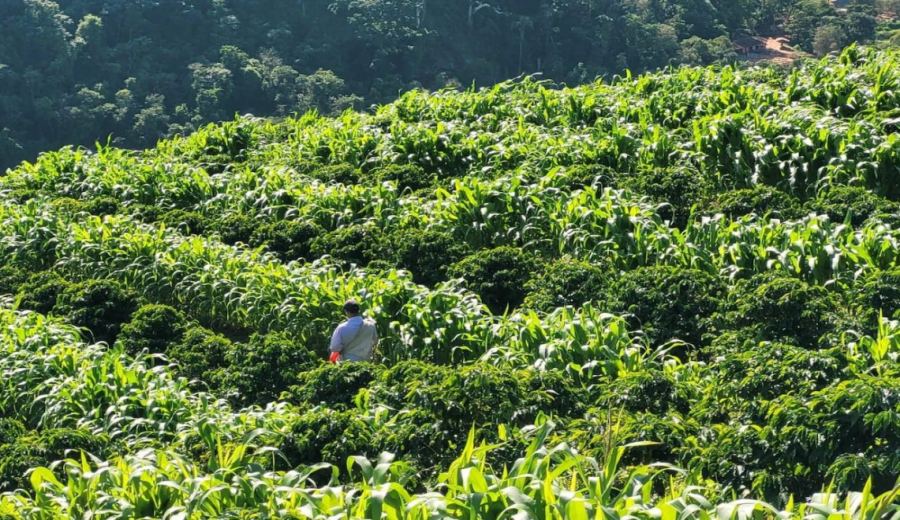
Cerrado is located in the western part of Minas Gerais state in Brazil, a gently undulating plateau at an altitude of about 750 to 1200 meters, and is one of Brazil’s important specialty coffee producing regions. The region has a dry climate and abundant sunshine, making it suitable for the pulped natural processing method. The selected Cerrado beans are of the Red Bourbon variety, grown at an altitude of 1000 meters, which falls within the mid-to-high altitude range, conducive to developing good aroma and a rounded mouthfeel.
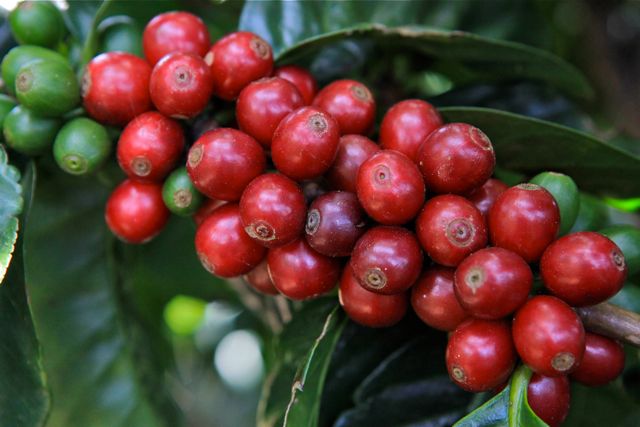
Red Bourbon, when ripe, displays wine-red fruit, and compared to common varieties, its beans are slightly rounder, with aroma profiles typically brighter and layered, reminiscent of red wine. Cerrado, with its relatively stable and dry climate, allows the pulped natural process to effectively reduce the risk of over-fermentation while preserving the sweetness and intensity brought by the mucilage. Typical flavor notes of this coffee include nuts, chocolate, cream, peanuts, and caramel, with an overall rich yet clean mouthfeel, gentle acidity, making it ideal for those who prefer coffee with pronounced sweetness and low acidity.
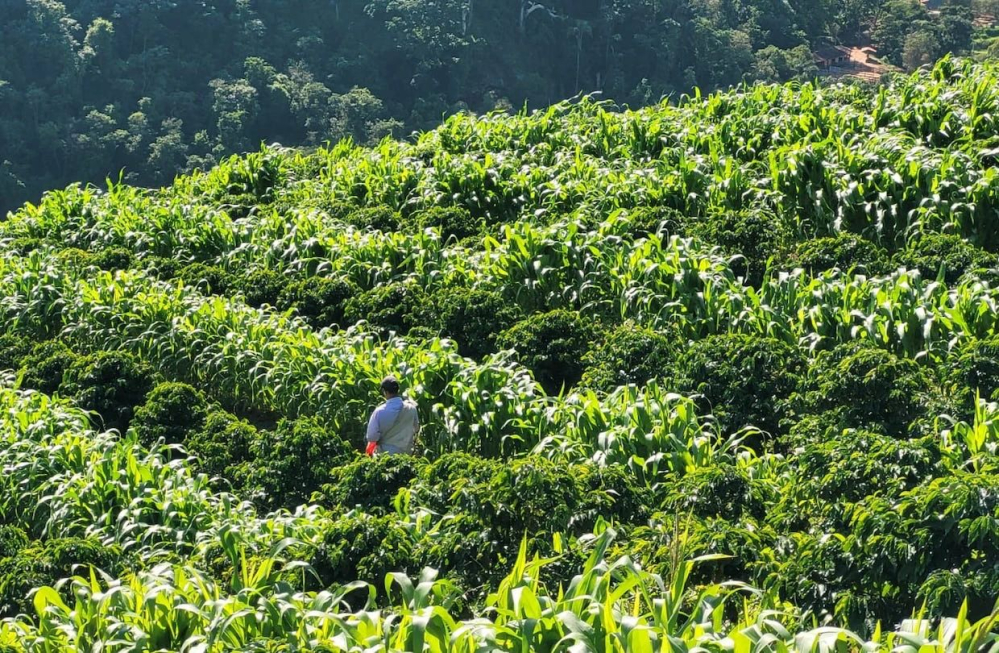
It’s worth noting that the pulped natural process falls between traditional natural (dry) and washed processing. Its characteristic lies in removing the skin and pulp but retaining part of the mucilage layer before sun-drying. This approach shortens drying time and reduces weather impacts. Compared to the coarse natural processing once commonly used in Brazil, pulped natural significantly lowers the risks of earthy or moldy flavors while improving the overall cleanliness and consistency of the beans.
[Fazenda Rainha: The Refined Expression of Yellow Bourbon and High-Altitude Natural Processing]
Another noteworthy Brazilian coffee comes from Fazenda Rainha in the Mogiana region. This area, adjacent to southern Minas, features a landscape of rolling hills and vegetation, rich in ecological diversity, with some farms using traditional farming methods and others adopting modern, precision-managed small-scale operations. The coffee at Fazenda Rainha is grown at elevations of 1400 to 1950 meters, placing it in Brazil’s very high-altitude category, an environment that grants the coffee richer flavor potential.
This bean is of the Yellow Bourbon variety, whose ripe fruit shows a rare yellow color rather than the more common red. Yellow Bourbon was first discovered in Brazil in the 1930s and is believed to be a mutation resulting from a cross between Red Bourbon and a yellow-fruited Typica variant. Its traits include lower yield and greater environmental sensitivity, but in high-altitude areas, it can exhibit a high concentration of flavors, often with notable sweetness and fruity notes.
The processing method at Fazenda Rainha is traditional natural (dry) processing, but with an emphasis on refined operation—through strict selection of ripe fruit and controlled drying processes to avoid the quality inconsistencies caused by Brazil’s past large-scale processing. This coffee demonstrates a natural sweetness akin to cane sugar in cupping, with flavor notes centered around almonds and cocoa, along with a distinctly sweet and smooth aftertaste, delivering an overall balanced and full-bodied profile.
[The Art of Brazilian Coffee Grading: An Explanation of the NY Three-Tier System]
If you’ve ever noticed labels on Brazilian green coffee packages such as ‘NY.2 SC – 17/18 FC’, that’s precisely Brazil’s unique grading system. Given Brazil’s vast producing regions and massive output, to ensure consistent export quality, the authorities adopted a cupping-based grading method, which differs from other countries that often name grades based on origin or processing method.
Brazilian grading primarily evaluates from three key aspects:
1. Defect Rate (calculated by deduction):Inspecting the number of defective beans in every 300 grams of green coffee, divided into seven grades from No.2 to No.8, with No.2 being the highest grade (with 4 or fewer deductions). Although No.1 is theoretically the purest, it is too rare and supply is unstable, so No.2 is considered the standard for specialty Brazilian beans.
2. Bean Size:Screened using mesh sieves measured in 1/64-inch units, typically ranging from 14 to 20 screens, among which 17/18 screens are regarded as the best grade—beans are plump and have higher density, aiding brewing performance.
3. Cup Quality:Ranging from Fine Cup (FC), Good Cup (GC) to Poor Cup, professional cuppers score based on comprehensive factors such as flavor, aftertaste, acidity, and body—this is also an important basis for consumers to judge a bean’s flavor potential.
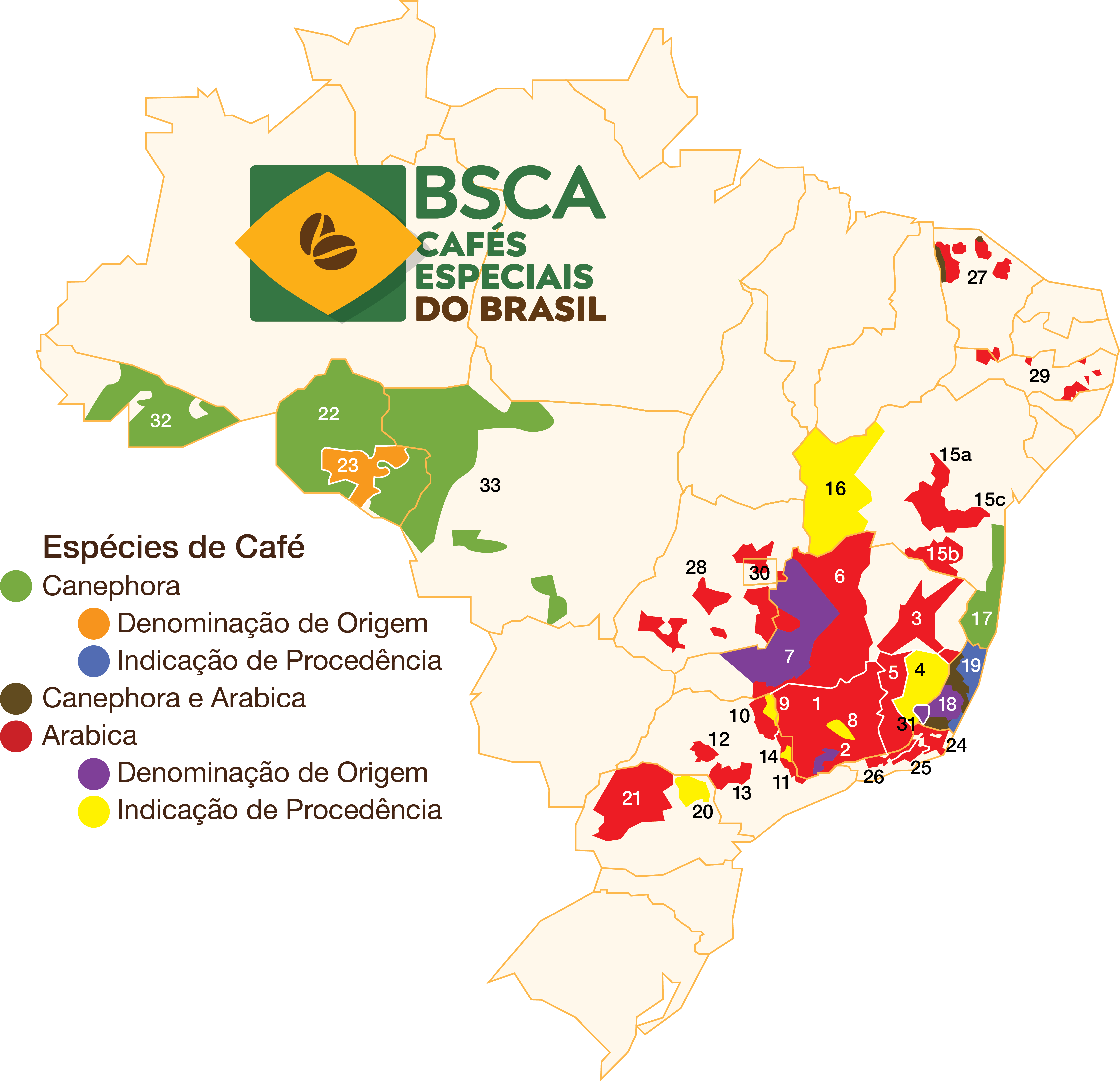
In the past, Brazilian coffee was often criticized for prioritizing yield over quality, even being labeled as ‘mixed beans’, with coffee exported from ports like Rio de Janeiro once having a notorious reputation. However, with the establishment of COE competitions and the grading system, Brazilian coffee has gradually shed its low-quality image, and many regions such as Cerrado and Mogiana have earned international market recognition for their stable and distinctive offerings.
[Practical Pour Over Recommendations and Flavor Expectations]
To experience the unique charm of these two Brazilian coffees at home, you can refer to the following basic pour over parameters:
• Dripper: V60
• Coffee dose: 15 grams
• Water temperature: 90°C
• Grind size: Medium (approximately 70% passing through a #20 sieve)
• Coffee-to-water ratio: 1:15
• Brewing method: Step brewing—start with a 30-second bloom using double the coffee dose (30 grams) of water, then pour in small circles up to 125 grams and pause briefly, finally pouring up to a total of 225 grams, with total extraction time controlled to around 2 minutes.
The flavor profile of Cerrado is dominated by sweetness, with common descriptors including nuts, almonds, cream, peanuts, and caramel, offering a smooth mouthfeel and low acidity; Fazenda Rainha, on the other hand, presents a more layered sweet and mellow tone, grounded in cocoa and almond notes, paired with distinct cane sugar sweetness, and a full-bodied, long-lasting aftertaste.
The above content is compiled by CoffeeHunters, a coffee news website.


