








Introduction:Faced with a dazzling array of coffee bean origins and processing methods, how do you choose the beans that best suit your taste? This article takes an in-depth look at globally renowned origins such as Ethiopia, Costa Rica, Indonesia, Kenya, and Colombia, introducing their classic coffee varieties. It explores the flavor characteristics of each origin and provides detailed information on five popular single-origin coffees, including their growing regions, processing methods, and optimal brewing techniques. Whether you're a beginner or a seasoned coffee enthusiast, you’ll find your own flavorful coffee journey here.
Today’s coffee market is no longer limited to the single option of instant coffee of the past. From highland heirloom varieties to meticulously processed specialty beans, the differences in climate, altitude, and processing techniques across origins give rise to distinctly unique coffees. For many coffee lovers, choosing the coffee that truly matches their palate can be a challenge. This article focuses on several major global coffee origins, introduces their representative beans, and analyzes five highly acclaimed single-origin coffees — covering everything from flavor profiles to brewing recommendations in one go.
First, we visit one of the birthplaces of coffee — Ethiopia, known for its rich fruit aromas and unique terroir. Among them, the Huaguai coffee from the Guji-Hambela region is grown at an altitude of about 2250 to 2350 meters using local heirloom varieties and processed via the natural (sun-dried) method. This bean is suitable for brewing methods such as pour over, drip bags, and even cold brew. In terms of flavor, it exhibits a distinct citrus profile, with a juice-like smoothness on the palate, subtle fermentation aromas, medium-to-high acidity, and a sugarcane-like sweetness in the aftertaste — all while maintaining a refreshing complexity even as it cools.
From Central America, the Tarrazú region of Costa Rica is famed for its refined processing and high-altitude cultivation. The Mozart coffee from the Musician Series, produced at the Finca Carretos estate at around 1980 meters altitude, uses the H1 and Catuai varieties and is processed with the raisin honey method, giving the beans intense fermentation aromas. This coffee is well-suited for brewing methods such as pour over, drip bags, siphon brewers, and even moka pots. Its flavor profile is rich with floral notes and berry sweetness, featuring gentle fruit acidity and a lingering aftertaste of tropical fruits and sugarcane. The overall cup is balanced and layered.
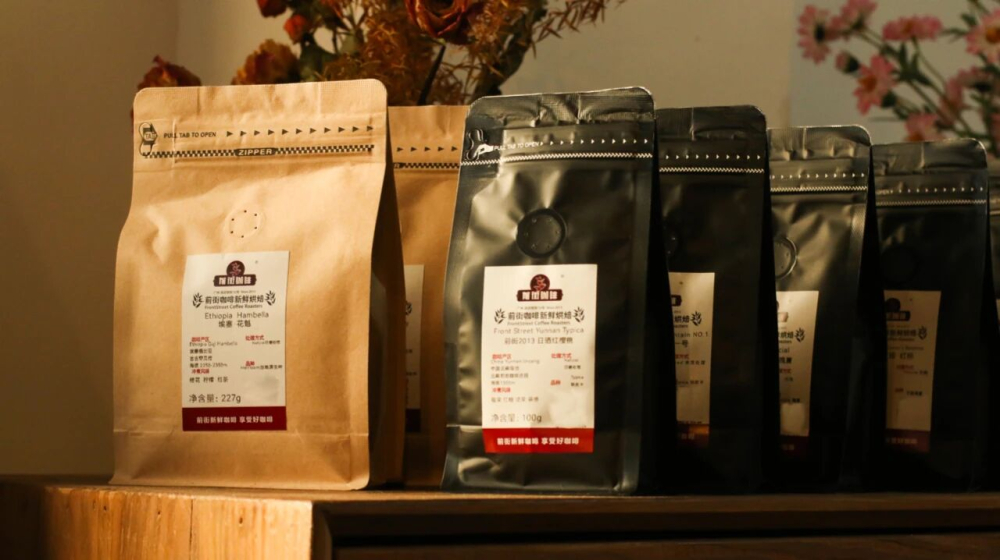
Turning to Southeast Asia’s Sumatra, Indonesia’s PWN Golden Mandheling is a true classic among classics. Grown at altitudes of 1100 to 1600 meters and using the traditional Typica variety with the wet-hulled (Giling Basah) process, it boasts a uniquely bold and rich mouthfeel. This coffee is ideal for brewing via pour over, drip bags, moka pots, or siphon brewers. Its flavor showcases intense notes of nuts and chocolate, accompanied by spices and caramel aromas. The finish is long, clean, and well-balanced — making it an excellent choice for those who enjoy a full-bodied cup.
Next, we head to East Africa’s Kenya, known for its high acidity and distinctive fruitiness. The Kenyan Small Tomato coffee comes from the Asali washing station, grown at 1700 meters altitude using the SL28 and SL34 varieties and processed with the double washed method. This coffee works well with pour over, drip bags, cold drip, and siphon brewers. Its flavor profile combines multiple fruit notes such as dark plum, cherry tomato, pear, and berries, with a caramel-like sweetness on the palate and a long, layered aftertaste. It’s the top choice for those who love bright acidity and fruity profiles.
Finally, we arrive in South America’s Colombia, where the Boundary Line farm in the Huila region produces the Sidamo (Sidra) coffee, renowned for its innovative double anaerobic natural (double anaerobic sun-dried) processing method. Grown at 1700 meters and using the unique Sidra variety, this coffee is suitable for various brewing methods including pour over, drip bags, cold brew, ice drip, and moka pots. Its flavor features intense notes of passion fruit, grape, apricot, and dried fruit, with a fruit-candy-like sweetness and delicate chocolate undertones. The cup is richly layered and complex, making it a must-try for coffee lovers seeking novelty and depth.
The above content is compiled by CoffeeHunters, a coffee news website.


