







Introduction:Want to understand the differences in roasting and flavor between Yunnan small-bean coffee and Mandheling? This article offers an in-depth comparison of their regional characteristics, variety traits, suitable roast levels, bitterness profiles, and ideal usage scenarios. It helps you choose the right beans based on your taste preferences and provides practical pour-over and extraction references.
Among many coffee options, Yunnan small-bean coffee and Indonesian Mandheling are both highly representative choices. Both are commonly found in the medium-to-dark roast range, but they each offer unique flavor directions and bitterness profiles. Whether you prefer bold and intense flavors or balanced tastes with fruity acidity in the aftertaste, understanding their differences can help you find the coffee experience that suits you best.
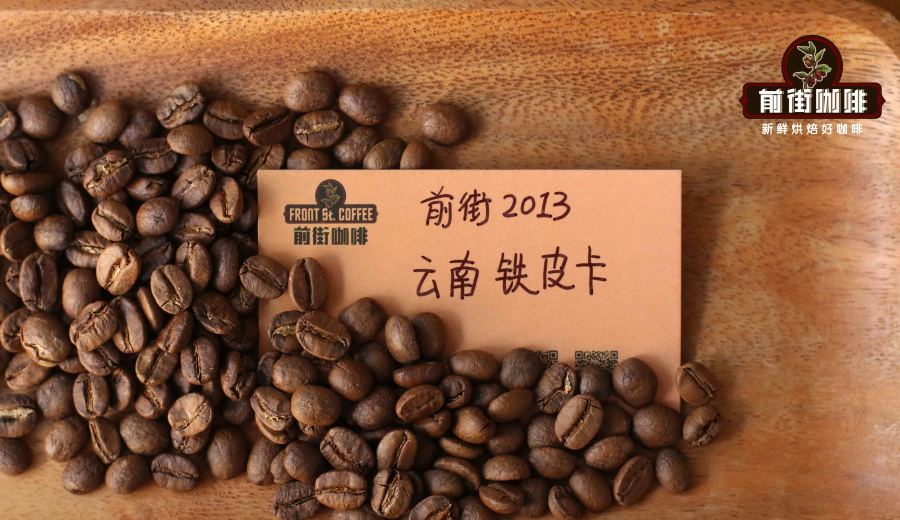
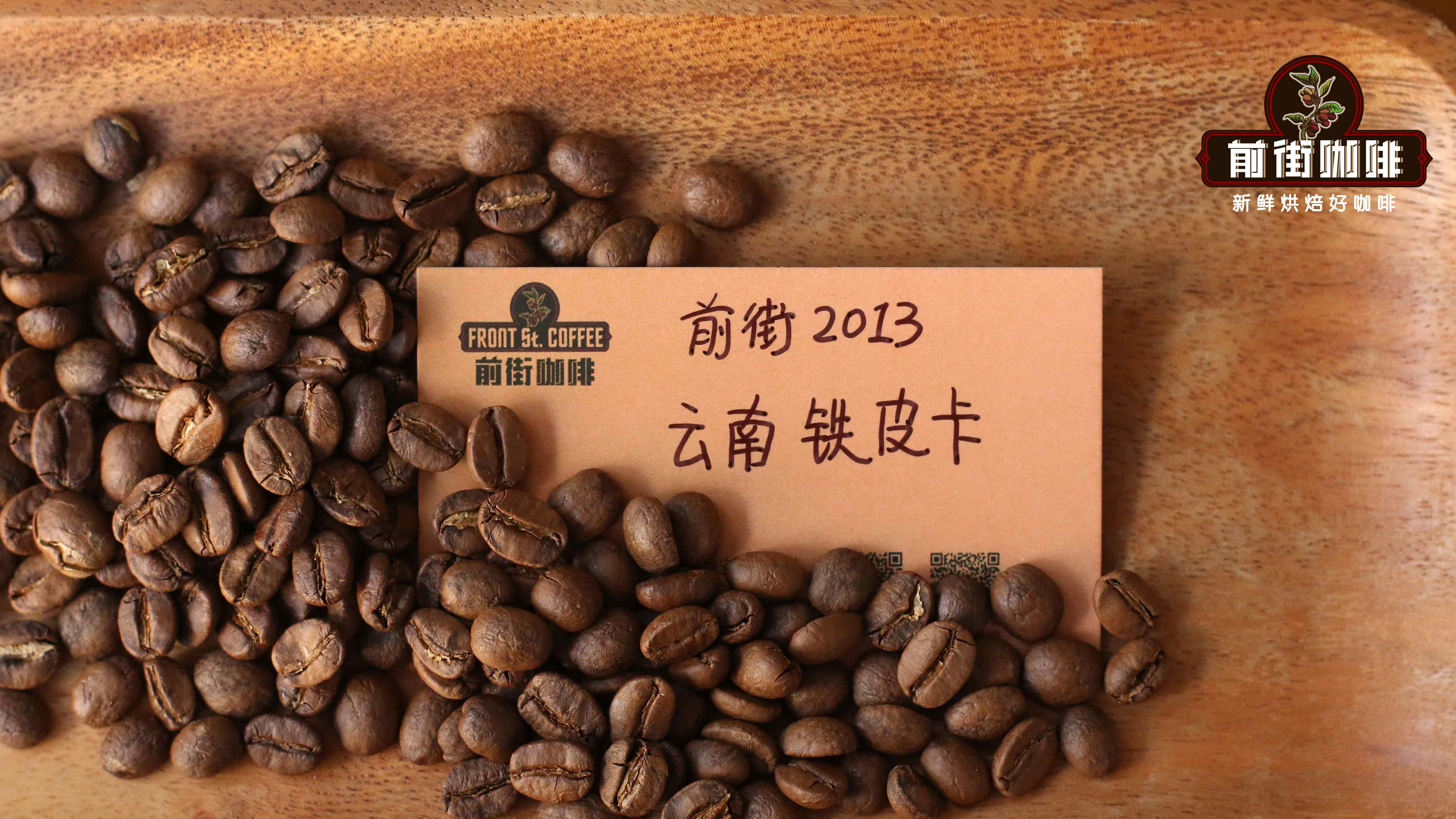
In recent years, Yunnan coffee has seen significant improvements in both yield and quality, with annual production exceeding 30,000 tons of green beans nationwide, predominantly of the Catimor variety. This type of coffee is typically grown in arid, hot valley regions at altitudes of around 1,100 meters, resulting in moderate acidity, rich aroma, and a smooth mouthfeel. A certain brand’s Yunnan small-bean coffee often features layers of nuts, herbs, chocolate, and caramel, with a faint hint of soft fruity acidity in the aftertaste, making it suitable for those who enjoy mellow flavors.
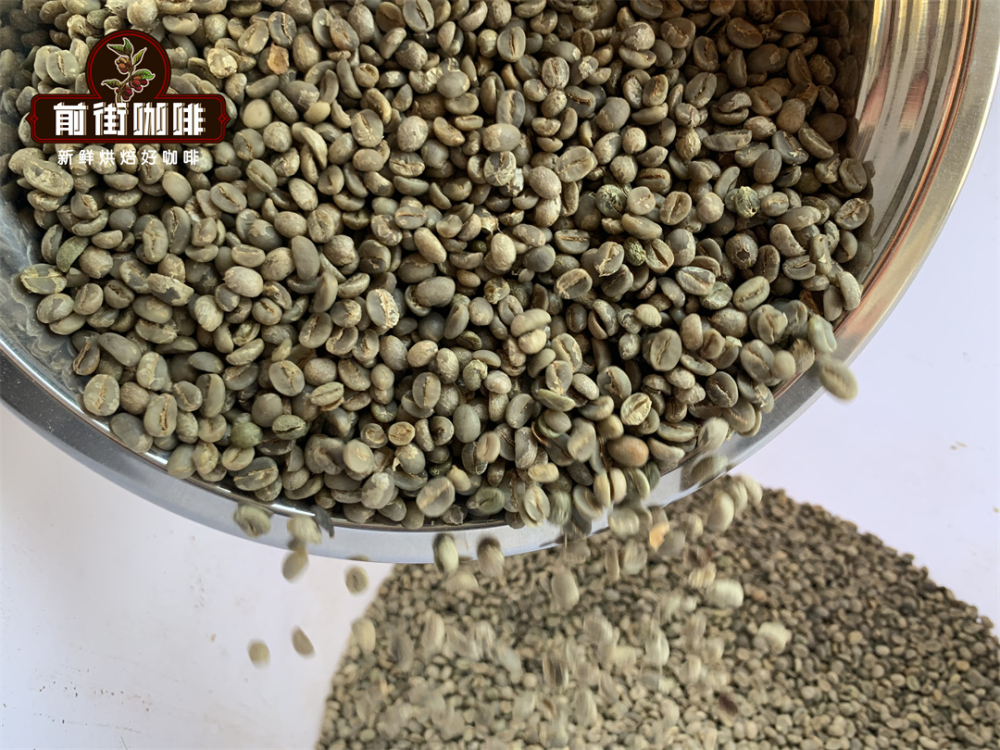
In contrast, Mandheling coffee originates from Sumatra, Indonesia, and is a top choice for many fans of dark roasts. This Asian coffee is known for its bold intensity, low acidity, distinct bitterness, and unique earthy and herbal aromas. Although the appearance of beans from a certain brand of Mandheling may not be visually appealing, their depth of flavor and smooth texture are widely praised. When tasting, one can perceive a noticeable silky body and subdued acidity, with mild acidity complementing the rich aroma to create a gentle yet vibrant flavor profile. Additionally, Mandheling often emits a subtle earthy fragrance, which some coffee enthusiasts describe as the refreshing scent of herbs.
In terms of roasting performance, both are well-suited to medium-to-dark and dark roasts to bring out their rich base notes and complex layers. However, Yunnan small-bean coffee, due to its relatively noticeable acidity, can easily have its delicate fruity and herbal notes masked if roasted too dark. Roasters are advised to control the heat during medium-to-dark roasting to preserve its dominant notes of nuts and chocolate. Mandheling, on the other hand, with its inherently low acidity, can better withstand the intensity of dark roasting. High-temperature processing can further enhance its bold richness and earthy aroma, while making the bitterness more concentrated and layered.
From extraction and pour-over recommendations, Yunnan small-bean coffee is suited to a medium-fine grind, with water temperature advised to be controlled between 90–93°C. Using a balanced brewing method such as pour-over or AeroPress can better highlight its nutty and caramel flavors while retaining a moderate fruity acidity in the aftertaste. For Mandheling, a slightly coarser grind is recommended, with a slightly lower water temperature (around 88–91°C) to reduce the risk of over-extraction leading to excessive bitterness, while emphasizing its rich and smooth mouthfeel.
Both of these coffees are widely used in blends, espresso bases, and mixed coffee preparations due to their stable flavor profiles and balanced acidity and bitterness. Whether you want to craft a layered espresso or seek an all-day drinking blend, they are excellent choices. Understanding their roasting suitability and extraction parameters allows you to select the brewing method that best highlights their characteristics in different contexts.
In summary, Yunnan small-bean coffee and Mandheling each have their own distinctive features: the former excels in nutty, chocolatey, and herbal aromas, suiting drinkers who prefer mellow and balanced flavors; the latter stands out with its bold richness and low acidity, beloved by those who enjoy dark roasts and strong bitter profiles. No matter which you choose, mastering the appropriate roast level and brewing techniques will fully showcase their unique coffee charm.
The above content is compiled by CoffeeHunters, a coffee news website.


