







Introduction:Many pour over enthusiasts are accustomed to blooming before brewing, but is this step still necessary when using an immersion device like the Clever Dripper? This article explores the differences between blooming and direct pouring through practical extraction experiments, delving into the impact of pre-soaking on coffee flavor and extraction efficiency, and provides specific parameter recommendations including grind size, water temperature, and brew ratio to help you master more precise brewing techniques.
In the process of pour over brewing, blooming is almost a standard procedure, especially emphasized in filter-based extractions. However, when switching to an immersion brewing device like the Clever Dripper, is this step still essential? This article will start with the scientific principles behind blooming, supplemented by comparative experiments using two types of beans—Yirgacheffe and Golden Mandheling—to analyze in detail how pre-soaking affects the final flavor profile. Based on factors such as concentration, mouthfeel, and overall extraction efficiency, practical and actionable suggestions are provided.
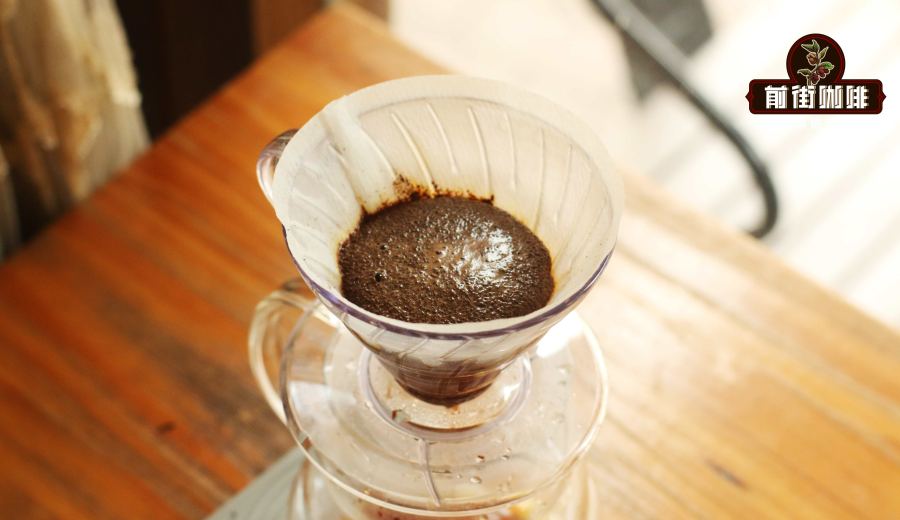
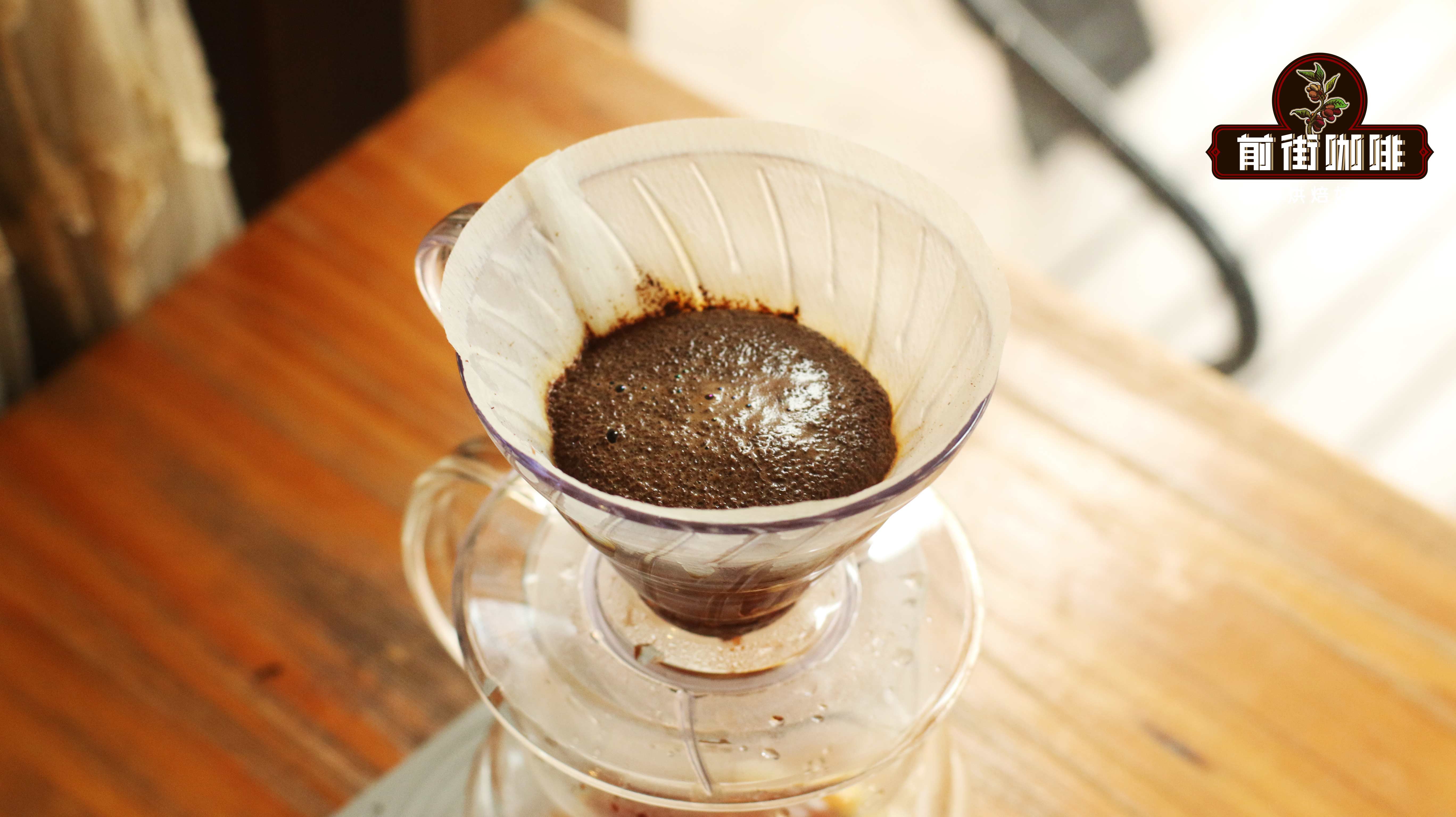
Generally speaking, blooming refers to the initial stage of pour over brewing, where a small amount of hot water is evenly poured over the coffee grounds to “wake up” the beans, prompting the release of trapped carbon dioxide and resulting in a fluffy bed of coffee. This process not only facilitates smoother water flow in subsequent steps but also enhances the overall expression of flavors. In immersion brewing, this action similarly helps the coffee grounds absorb water quickly and expand, establishing a more stable filtration layer that allows for even water penetration and improved consistency in extraction.
For this experiment, the Clever Dripper was chosen as the primary brewing device, and two distinct coffee beans were used for comparison: Yirgacheffe Red Cherry from Ethiopia, a naturally processed bean with vibrant flavors; and PWN Golden Mandheling from Indonesia, a washed processed bean with a fuller body and lower acidity. These two beans not only have markedly different profiles but also effectively demonstrate how different processing methods respond to pre-soaking.
During the experiment, both beans were brewed using two methods: “bloom + pour” and “direct pour.” The detailed parameters are as follows: For grind size, Yirgacheffe was medium-fine, with 80% passing through a #20 sieve; Golden Mandheling was medium, with 70% passing through a #20 sieve. Both used 15 grams of coffee grounds, with a uniform brew ratio of 1:15. Water temperature was adjusted according to the bean characteristics—92°C for Yirgacheffe and 88°C for Golden Mandheling.
For the bloomed version, the process was as follows: First, 30 grams of hot water were poured to bloom for 30 seconds, followed by pouring up to a total of 225 grams. The total brew time was around 4 minutes, with a 3-minute-and-30-second steeping period before filtering the coffee into a server using the Clever Dripper. The direct pour version involved pouring all 225 grams of water at once, followed by a 4-minute steeping period before filtering, skipping the blooming step entirely.
In terms of flavor, the bloomed Yirgacheffe exhibited a richer berry sweetness and fermentation aroma, with a measured concentration of 1.37%. It had a full body and layered taste. In contrast, the direct pour version had a concentration of 1.33%, with a brighter profile dominated by citrus and berry acidity. Overall, it was balanced but slightly less complex.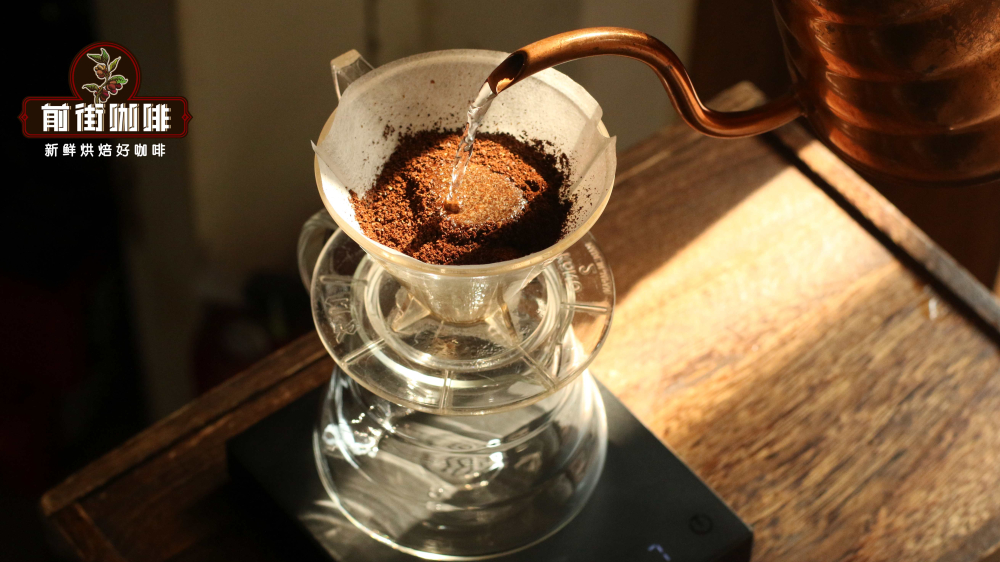
As for the Golden Mandheling, the bloomed version delivered a creamier mouthfeel, with more pronounced notes of nuts, cocoa, and caramel, accompanied by distinct herbal aromas, reaching a concentration of 1.40%. The direct pour version mainly showcased flavors of cane sugar and chocolate, with a concentration of 1.33%. Though smooth in texture, it lacked the depth and complexity of the bloomed version.
From these results, it’s evident that coffee brewed with a blooming step generally performs better in terms of intensity, aroma expression, and mouthfeel richness. The likely reasons include not only the facilitation of subsequent extraction due to CO₂ release, but also the gentle stirring effect created by the initial small pour followed by a larger pour, which allows each coffee particle in the bed to participate more evenly in extraction, thereby improving overall extraction efficiency and flavor release.
In practice, if you’re using an immersion device like the Clever Dripper, you might consider gently stirring the coffee bed before pouring to ensure all grounds are evenly saturated, avoiding under- or over-extraction in localized areas. Additionally, adjusting water temperature and grind size based on the coffee’s characteristics is key to influencing the final flavor. Based on experimental data and hands-on experience, it’s recommended that coffee lovers who prefer a stronger cup try adding a roughly 30-second pre-soaking step the next time they use a Clever Dripper, to experience the subtle yet notable improvements it brings.
The above content is compiled by CoffeeHunters, a coffee news website.


