







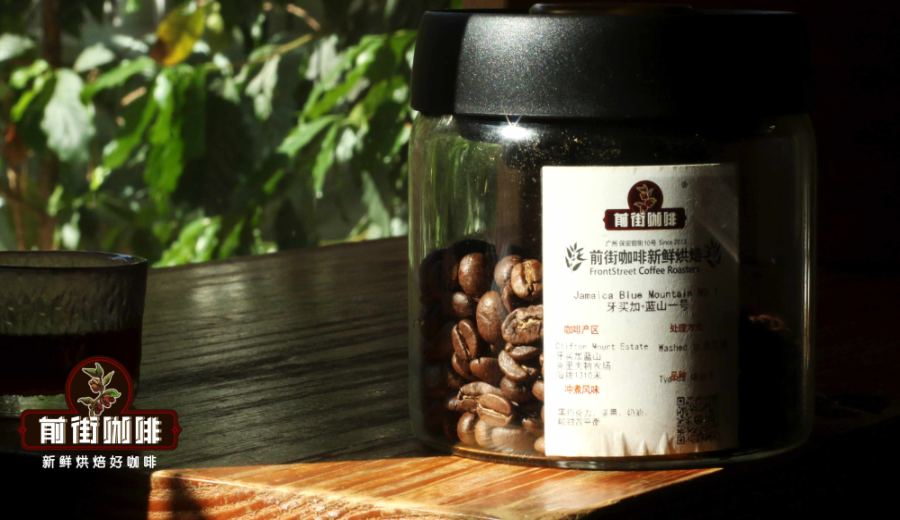
Introduction:Feeling lost when choosing pour over coffee beans as a beginner? This article starts with the classic Jamaican Blue Mountain No.1, diving deep into the characteristics of the Typica variety, the mild and balanced flavors nurtured by volcanic soil, and the unique wax-like appearance of the green beans. It also provides standardized pour over recommendations and pulse pouring techniques to help you easily recreate a professional-grade taste at home. Additionally, based on your acidity tolerance, we recommend several floral and medium-to-dark roasted beans suitable for pour over — whether you prefer fresh fruitiness or rich body, you’re sure to find an ideal choice.
Want to try pour over coffee but not sure which beans to start with? Many people, when first trying pour over, often get overwhelmed by the numerous regions and varieties. In fact, starting with a classic and flavor-distinct bean is a solid choice for beginners. This article begins with the globally renowned Jamaican Blue Mountain No.1, guiding you through the background of this premium coffee’s variety, its flavor profile, and how to use the correct brewing method to consistently extract a smooth and delicate cup at home.
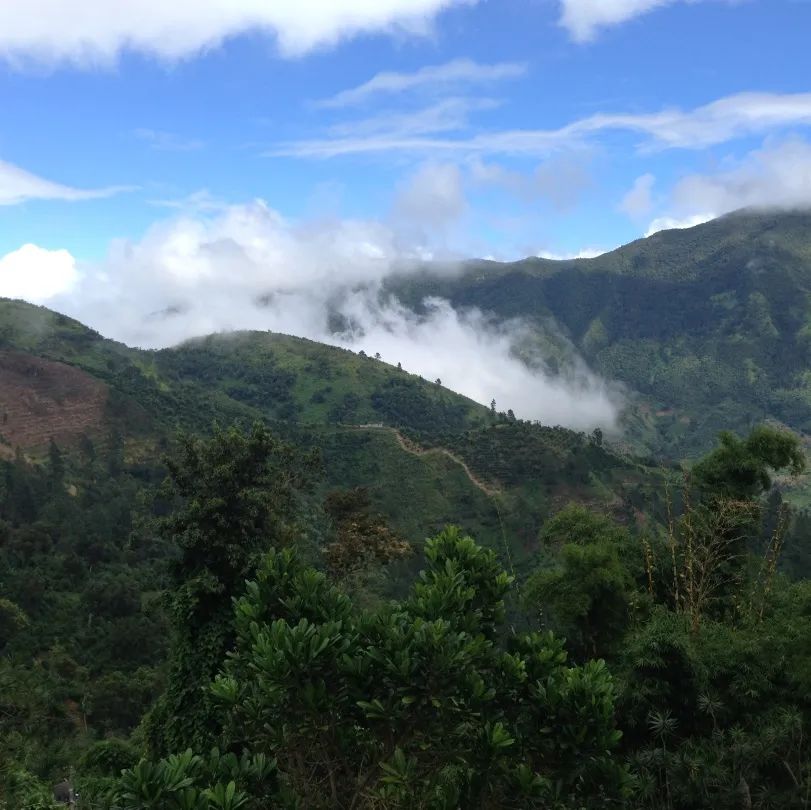
Jamaican Blue Mountain coffee is primarily grown with the Typica variety, an ancient cultivar originating from Yemen, known for its elegant acidity and clear flavor structure. The unique geographical environment of the Blue Mountains is key to shaping its distinctive taste. Located in the Caribbean, Jamaica’s maritime climate results in year-round cloud cover in the mountainous regions, while its volcanic soil, rich in minerals, provides ideal growing conditions for coffee trees. These factors combined give Blue Mountain coffee its low acidity, full body, and layered flavors, earning it the reputation of being the “aristocrat” of coffees.
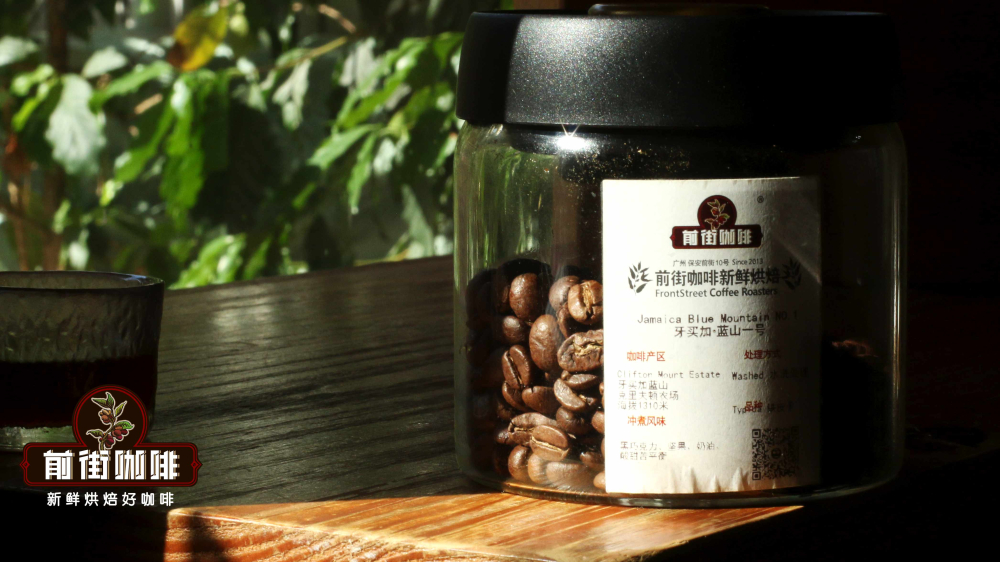
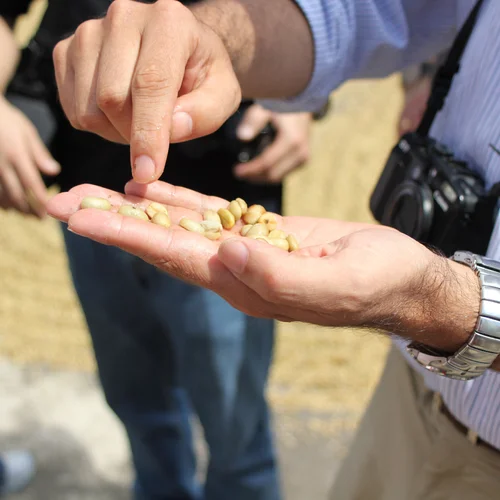
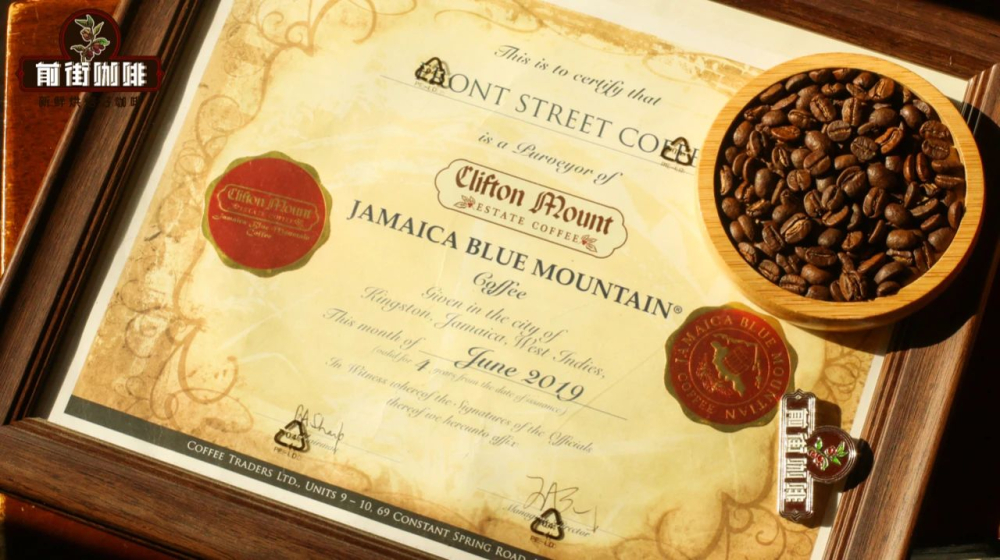
According to the strict regulations of the Jamaica Coffee Industry Board (CIB), Blue Mountain green beans must have a defect rate below 3%, a moisture content of around 13%, and a post-roast output rate of approximately 83%. In terms of green bean grading, beans are categorized by screen size, with those above 17 mesh classified as No.1 — what we commonly refer to as Blue Mountain No.1. These green beans typically appear dark green, with a waxy sheen on the surface, plump and round in shape, visually distinct from ordinary coffee beans. As for roasted beans, each batch must undergo cupping certification by CIB quality control personnel before export to ensure consistent quality, after which they can be shipped worldwide.
True Blue Mountain coffee masterfully balances multiple flavor dimensions — acidity, bitterness, sweetness, and body — showcasing an exceptionally well-balanced taste. Its aroma is subtle yet long-lasting, and the delicate sensation upon tasting often surprises drinkers. Many coffee enthusiasts describe Blue Mountain coffee as the “beauty” of the coffee world, possessing all the qualities of high-quality coffee but presented in an understated and elegant manner. Notably, freshly roasted Blue Mountain coffee tends to have a relatively longer flavor duration, which is also one of the important indicators of bean quality.
So, how can you successfully brew Blue Mountain No.1 at home? Below is a set of tested parameters with high stability: use a KONO filter cone, water temperature at 88°C, water-to-coffee ratio recommended at 1:15, with about 15 grams of coffee grounds. A grind size passing 80% through a Chinese No.20 standard sieve is ideal. This setup helps fully bring out the delicate flavors of Blue Mountain coffee while avoiding over-extraction or under-extraction.
Here are the specific pour over steps: First, pour 30 grams of water for a 30-second bloom to activate the release of aromatic compounds from the coffee grounds. Then, pour water in a slow, circular motion. When the total water volume reaches 125 grams, pause briefly for the first pulse. Once the water level in the filter cone has dropped and is about to expose the coffee bed, continue pouring up to 225 grams, then stop. Finally, wait until the water level naturally drops to near the point of exposing the coffee bed, then remove the filter cone to complete the extraction. The entire process (timed from the bloom) takes about 2 minutes. This rhythm helps balance the flavors and maintain a clean taste.
Of course, these parameters are not absolute and are meant only as a reference for beginners. Factors such as each person’s water quality, grinder, or even room temperature may affect the final flavor. We encourage everyone to fine-tune at home to find the extraction method that best suits your palate.
If you want to expand your pour over flavor horizons, consider trying other distinctive single-origin beans. For those who enjoy fresh fruitiness and soft acidity, beans like Gu Ding Ding, Hua Kui, and Xi Zhua are great options. These beans usually exhibit noticeable floral and fruity notes, with almost no perceptible bitterness, making them ideal for those who prefer a refreshing taste.
On the other hand, if you’re more sensitive to acidity, you might prioritize medium-to-dark roasted beans such as Queen’s Estate, Brazilian Cerrado, or PWN Golden Mandheling. These beans are not only suitable for pour over, but also work well with moka pots or espresso machines, offering a rich, full-bodied taste with low acidity — making them excellent choices for those seeking consistency and bold flavor.
The above content is compiled by CoffeeHunters, a coffee news website.


