







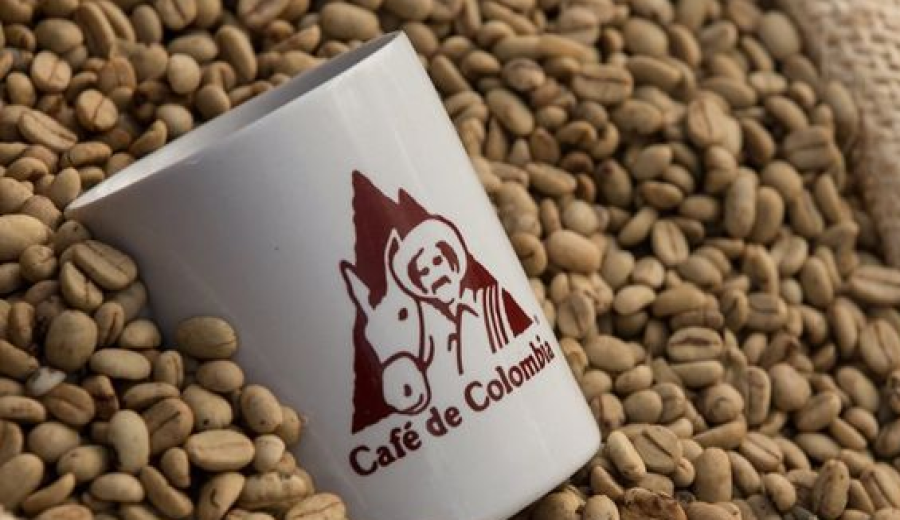
Introduction:Colombian coffee is renowned for its washed processing method, with flavor profiles of nuts, dark chocolate, and mild fruity acidity that are highly favored in global consumer markets. This article will explore the geographic and processing characteristics of Colombian coffee-growing regions, analyze the actual impact of light, medium, and dark roasts on flavor, and provide a detailed breakdown of the medium-dark roast performance of washed Huila beans, as well as the brewing techniques and parameters for the Geisha variety from Finca La Línea. This will help you better understand how to select and brew coffee based on roast level to achieve the optimal tasting experience.
Colombia’s uniquely advantageous geography and natural environment have made it one of the world’s leading exporters of Arabica coffee. The country’s north-south spanning Andes Mountains, combined with high-altitude cultivation zones ranging from 800 to 2,300 meters, along with mineral-rich volcanic soil, moderate rainfall, and sunlight, collectively nurture coffee beans with a round mouthfeel, nutty tones, and aromatic notes of dark chocolate. The washed beans produced here are especially prized for their mild acidity and high cleanliness, often used in specialty coffee espresso blends.
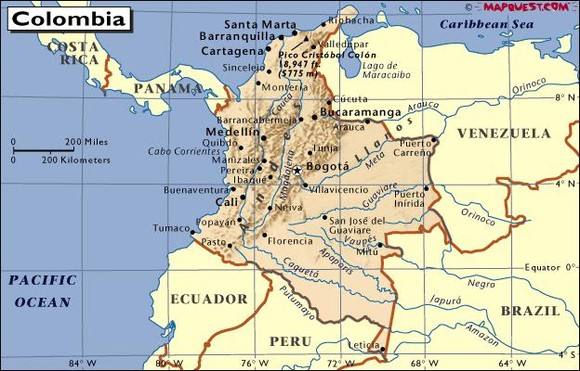
Colombia is not only the world’s third-largest coffee producer but also the largest exporter of Arabica varieties. Its northern border connects with Panama and lies adjacent to Brazil, the world’s largest coffee-producing country. The country’s coffee-growing regions are primarily concentrated along three north-south mountain ranges of the Andes, forming a “trident” distribution. Due to significant microclimate variations in the mountainous areas, different altitudes and slopes create diverse microclimates, allowing coffee cherries to ripen at various times of the year and giving rise to the industry advantage of year-round harvests.
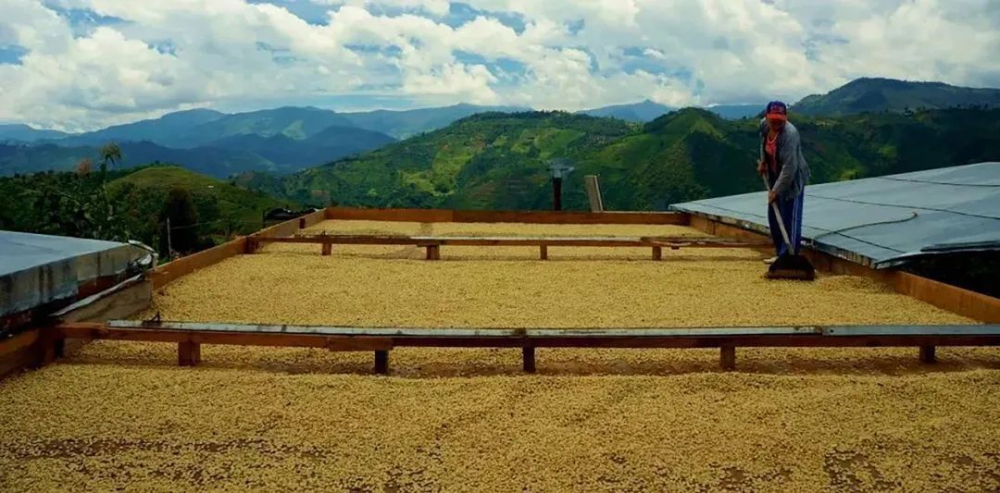
The local washed processing technology is highly developed, with many small family farms using Ecomill or Eco-Pulper equipment. These machines can effectively remove the pulp and fruit skin with low water consumption, and remove residual mucilage through short-term fermentation, followed by sun drying to reach the ideal moisture content. This traditional method not only reduces defect rates but also helps preserve the original flavor characteristics of the coffee beans, resulting in cleaner and clearer cupping profiles.
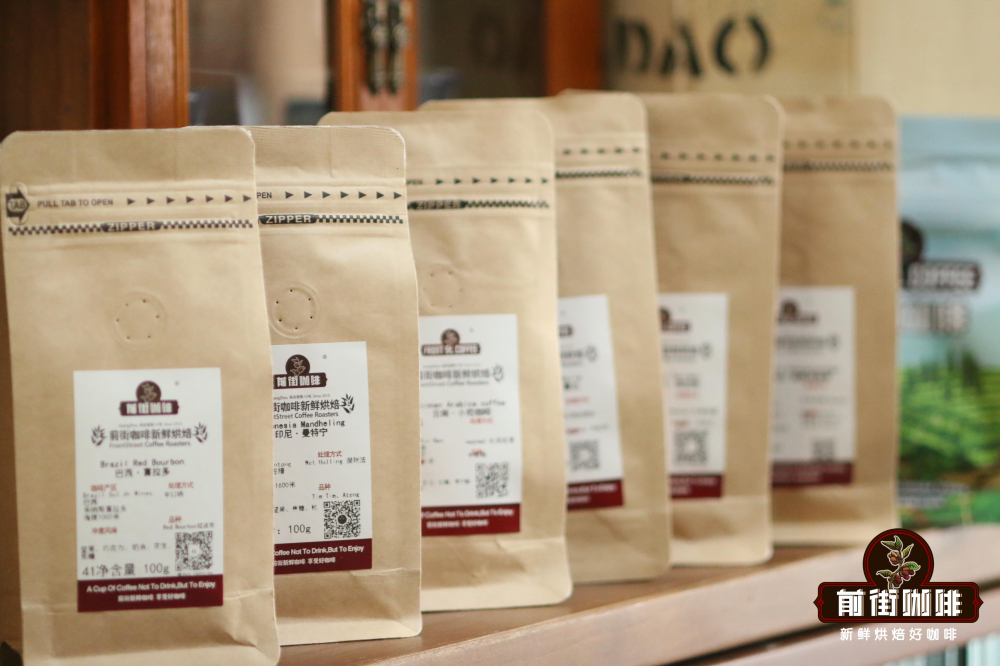
Colombia’s Huila region is one of the most notable specialty coffee areas in recent years and is also an officially certified coffee origin of the country. With an altitude of approximately 1,700 to 2,100 meters, stable climate unaffected by oceanic humidity, and fertile volcanic soil, the region provides ideal growing conditions for coffee trees. A certain brand’s washed Huila everyday coffee bean is medium-dark roasted, showcasing the classic richness and balance typical of Colombian coffee, making it suitable for coffee enthusiasts who are new to single-origin exploration.
This everyday coffee bean series is sold in 100-gram small packages, covering seven well-known origins including Brazil, Colombia, Ethiopia, Costa Rica, Indonesia, Yunnan, and Guatemala. This allows consumers to experience the flavor differences of each region at a reasonable price and gradually identify their personal preferences.
Beyond traditional washed flavors, Colombia’s specialty coffee is also gradually showcasing more diverse processing styles. Among them, the Geisha variety from Finca La Línea has become a focal point in recent competitions and markets. This coffee, due to its deeper fermentation, often exhibits pronounced floral notes, juicy body, and complex aftertaste. However, if home brewing conditions are not properly adjusted, it can easily result in flavor discrepancies. Therefore, mastering the correct brewing parameters becomes key to unlocking its full potential.
It is recommended to use 15 grams of coffee grounds with a 1:15 coffee-to-water ratio when brewing Geisha, with water temperature controlled at 92°C. The grind size should be about 75%–80% passing through a #20 sieve, or a 9.5 setting on an Ek43 grinder—fine like granulated sugar. When using a V60 filter, a three-stage pouring method can be applied: first, pour double the coffee amount (approximately 30 grams) for a 30-second bloom to help release coffee gases; then pour 120 milliliters of hot water in a medium stream with a wide circle, paying attention to flow rate to avoid over-extraction; finally, pour 75 milliliters of hot water in a small circle at the center of the coffee bed, and remove the filter once dripping is complete. The total brew time is recommended to be around 2 minutes.
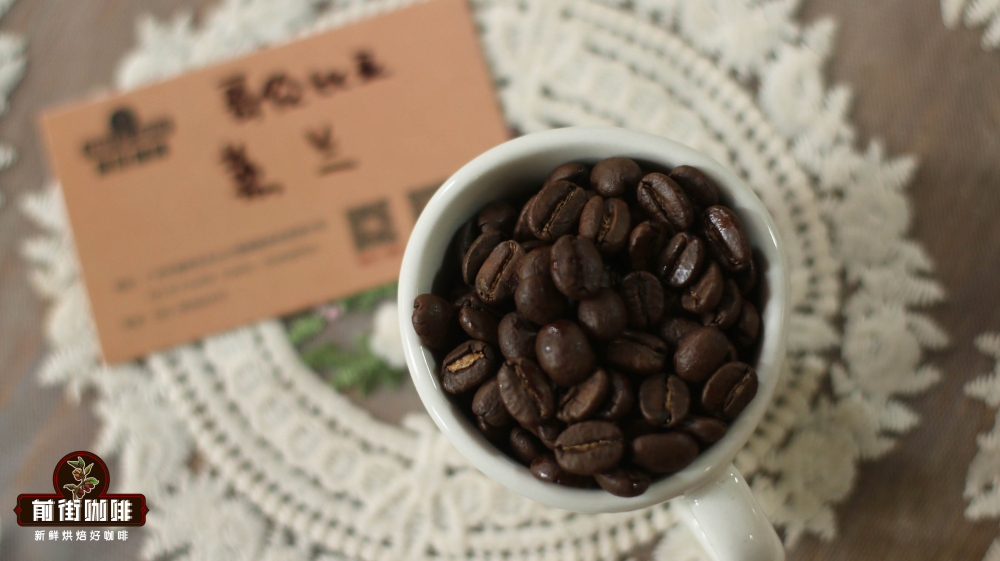
With these parameters, Geisha can display a rich layered profile, with flavor notes including grape, passionfruit, apricot, floral, chocolate, and even subtle hints of red wine aroma. The acidity and sweetness are well-balanced, with a long-lasting aftertaste. If brewed as cold pour over, the bitterness is further reduced, and the mouthfeel becomes closer to a refreshing grape juice, making it highly suitable for summer enjoyment.
The above content is compiled by CoffeeHunters, a coffee news website.


