







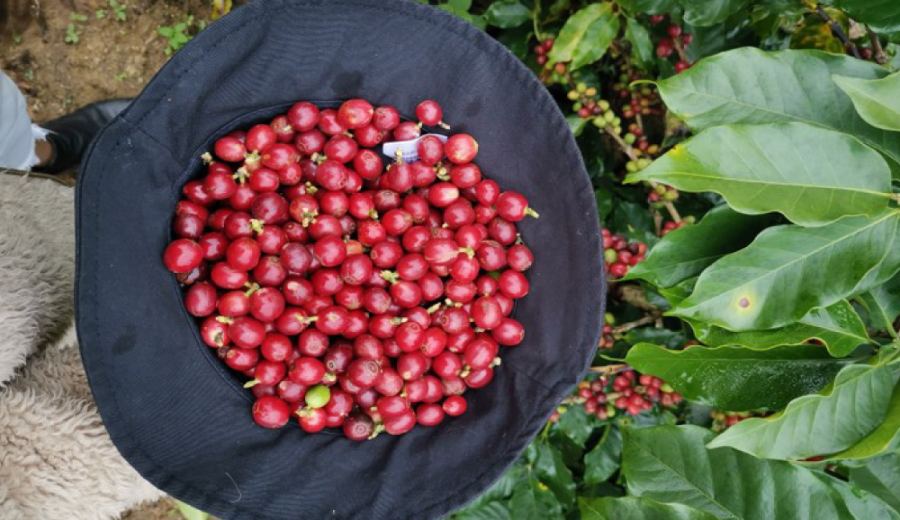
Introduction:Gain an in-depth understanding of the main variety characteristics and renowned producing regions of Yunnan small-grain coffee, from Pu’er, Lincang to Baoshan, and explore how different altitudes and climates shape unique flavors. We’ll also introduce the differences between the two mainstream varieties, Typica and Catimor, along with recommended drip brewing methods and parameter settings to help you more precisely appreciate the potential of Yunnan specialty coffee.
Over the past decade, Yunnan small-grain coffee has gradually transformed from being primarily used as raw material for instant coffee into a specialty coffee-producing region that garners international attention. Its main cultivated varieties are Catimor and Typica within the Arabica system, with a small number of regions also experimenting with classic varieties such as Bourbon and Geisha. Major producing regions include Pu’er, Lincang, Baoshan, and Dehong. These areas, blessed with high altitudes, significant day-night temperature variations, and ample sunlight, produce coffee beans with nutty, caramel, and fruity flavor notes.
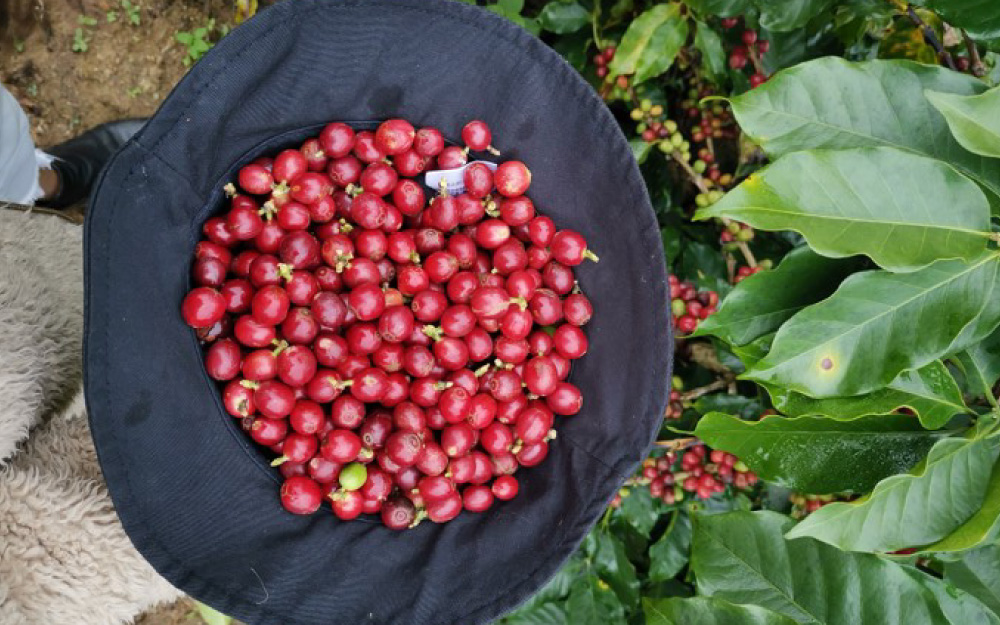
With continuous advancements in coffee cultivation and post-harvest processing techniques, coupled with rising consumer demand for coffee quality, the market perception of Yunnan coffee has gradually improved. Currently, all coffee grown in Yunnan belongs to the Arabica species, commonly referred to as small fruit or small grain varieties. Among these, Catimor is the most widely planted due to its strong disease resistance and adaptability. Typica, being the most traditional Arabica variety, is highly regarded in the specialty coffee community for its clean and bright flavors, though its yield is relatively low. In addition, a few estates have experimentally planted Bourbon and Geisha to add variety to the offerings.
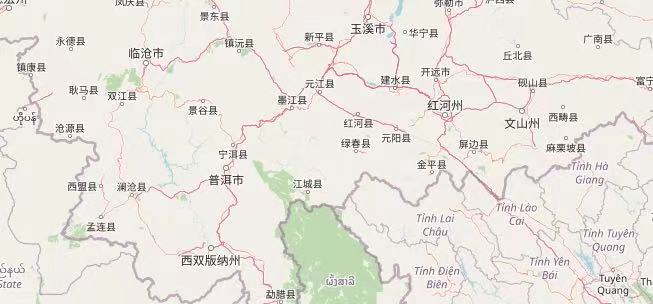
The producing regions span Pu’er City, Lincang City, Baoshan City, Dehong Dai and Jingpo Autonomous Prefecture, Nujiang Lisu Autonomous Prefecture, Xishuangbanna Dai Autonomous Prefecture, Dali Bai Autonomous Prefecture, and Diqing Tibetan Autonomous Prefecture. Among them, the coffee beans produced in Dehong, Baoshan, Pu’er, and Lincang enjoy the best reputation. These areas are mostly located between 15 degrees north latitude and the Tropic of Cancer, benefiting from ideal altitudes and microclimates essential for coffee growth.
Take Pu’er as an example. As a well-known tea-growing region, its history of coffee cultivation dates back approximately 150 years. In the late 1990s, Pu’er officially included coffee as a key focus in its agricultural industry adjustments, aiming to enhance farmers' income and regional economic development. This region features a subtropical monsoon climate, with an average annual temperature ranging between 15 and 20.3°C, frost-free periods exceeding 315 days per year, and abundant rainfall, with an annual precipitation of about 1100 to 2780 millimeters, providing an excellent environment for coffee cultivation.
Dehong, located at a lower latitude near the Tropic of Cancer, is influenced year-round by the southwest monsoon from the Indian Ocean and has a South Asian tropical monsoon climate. Coffee planting areas here are mostly above 1000 meters in altitude, with as much as 30,000 mu planted at elevations above 1600 meters. The region experiences large diurnal temperature variations, concurrent rain and heat, and short frost periods, offering stable overwintering and growing conditions for Arabica varieties. High altitudes not only enhance flavor intensity but also contribute to the accumulation of complex flavor profiles.
The history of coffee cultivation in Baoshan can be traced back to the mid-1950s. It is said that the first coffee seedling was introduced by patriotic overseas Chinese Mr. Liang Jinshan from Southeast Asia. The region has a low-latitude mountainous subtropical monsoon climate, with coffee mostly grown between 100 and 1500 meters in altitude. Its climate is characterized by small annual temperature variations, large diurnal temperature differences, distinct dry and wet seasons, and even rainfall—all of which contribute to the delicate and layered mouthfeel of Yunnan small-grain coffee produced in Baoshan.
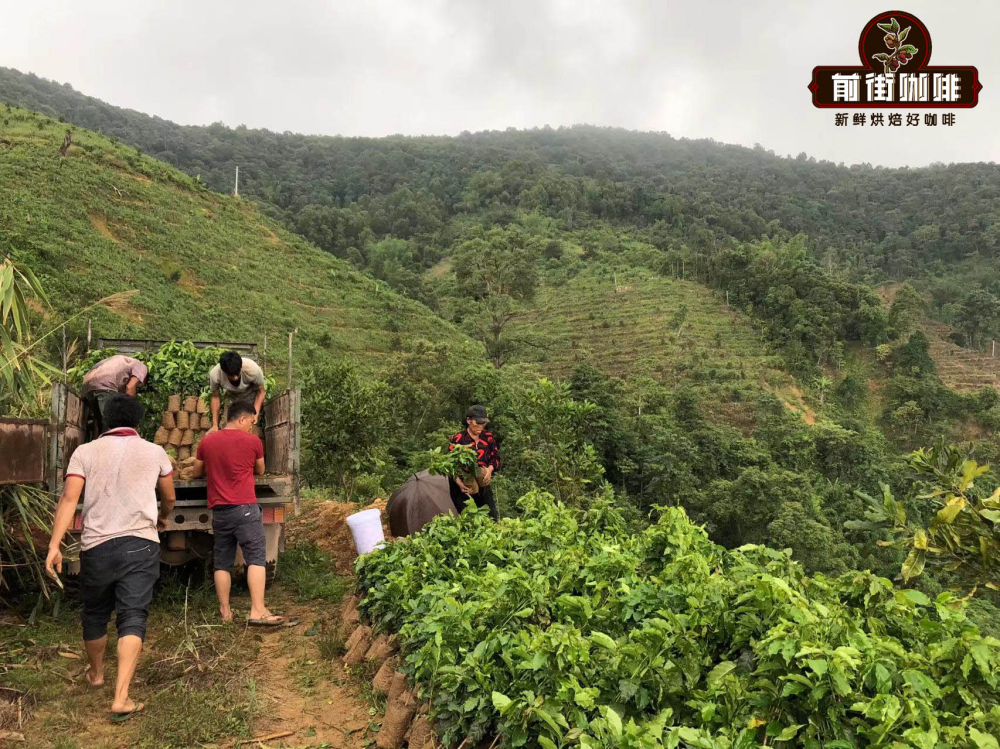
Lincang City features a subtropical low-latitude plateau mountainous monsoon climate, influenced by both the warm, moist air currents from the Indian Ocean and the southwest monsoon. The area has indistinct seasonal boundaries but clear dry and wet seasons, with abundant sunshine and rainfall throughout the year and short frost periods. The main coffee-growing areas are situated between 1000 and 1600 meters in altitude, making it highly suitable for specialty coffee cultivation. In 2013, a coffee brand established its own coffee estate in a mountainous region near Myanmar at an altitude of about 1300 meters in Lincang. The estate chose to plant one of the oldest Arabica varieties—Typica.
As the most traditional Arabica variety, Typica boasts a pure genetic background. Its flavor profile is known for being clean, bright, and featuring delicate acidity, often accompanied by floral, citrus, and caramel notes, making it one of the representative varieties of specialty coffee. However, its yield per unit is relatively low, and it demands higher standards in both cultivation and post-harvest processing. In contrast, Catimor is a hybrid of Arabica and Robusta. Although its flavor complexity is not as rich as Typica’s, it offers greater disease resistance and higher yields. Thanks to improvements in processing and treatment techniques, Catimor coffee beans produced in Yunnan have also shown significant progress in flavor expression.
The Yunnan-produced coffee currently launched by this brand mainly comes from Lincang and Baoshan. It includes their self-grown “2013 Natural Typica Coffee Beans,” a “Selected Regional Everyday Bean – Yunnan Baoshan Washed Catimor Coffee Beans,” and a “Fully Ripe Sun-Dried – Baoshan Lujianba Region Catimor Coffee Beans.” These products showcase the diverse flavor profiles resulting from different varieties and processing methods, covering everything from rich fruity aromas to delicate sweetness.
In terms of flavor characteristics, Yunnan small-grain coffee generally exhibits notes of nuts, caramel, plums, and even subtle chocolate tones, making it ideal for coffee enthusiasts who enjoy balanced flavors and fruity aftertastes. To fully highlight these qualities, it is recommended to use a drip brewing method, with appropriate extraction ratios to enhance the layers of flavor.
It is recommended to use a V60 dripper for pour over brewing, with a suggested powder-to-water ratio of 1:15. The grind size should be medium (approximately similar to coarse sugar, or with about 75% passing rate through a Chinese No. 20 sieve), and the water temperature should be controlled between 88 and 89°C. During brewing, a three-stage pouring method is advised: the first stage involves pouring 30 grams of water for a 30-second bloom; the second stage uses a slow circular pour to reach 125 grams, then wait until the water level drops by about half before continuing to pour up to 225 grams. The total brewing time is recommended to be around 2 minutes and 10 seconds. These parameter settings help improve flavor clarity and overall balance.
The above content is compiled by CoffeeHunters, a coffee news website.


