







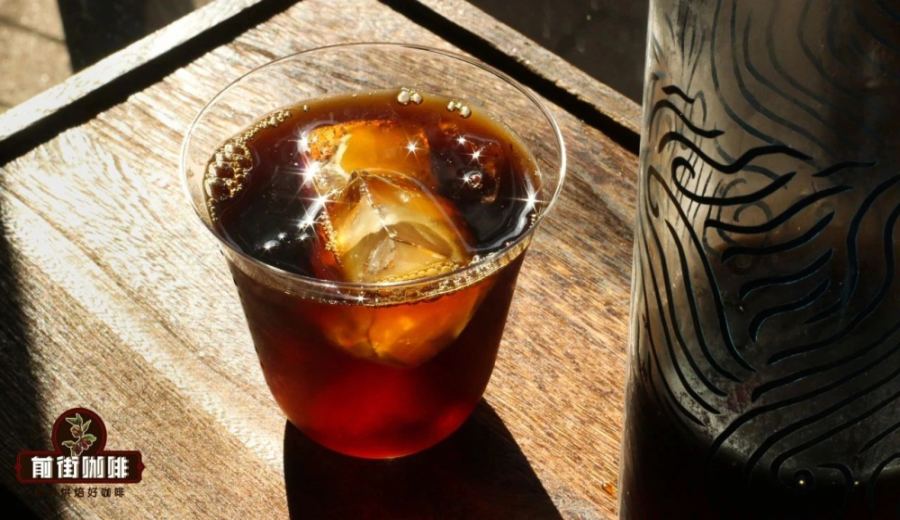
Introduction:In the scorching heat of summer, cold brew coffee—known for its refreshing taste and simple brewing process—has become a top choice for many coffee enthusiasts. This article delves into the differences between three common types of iced coffee: cold brew, Americano with ice, and ice drip. It explains why medium to light roasted beans are better suited for cold brew, and provides a foolproof brewing method along with practical tips to help you make smooth and enticing cold brew coffee at home.
Among the many choices of iced coffee, cold brew has risen in popularity in recent years. Its silky texture with a touch of acidity, coupled with the convenience of requiring almost no special equipment, has won over many consumers. But have you ever wondered what the essential differences are between cold brew, the common Americano with ice, and ice drip? Why do experts generally recommend using medium to light roasted beans? And if you want a coffee bean that works well for both pour over and cold brew, how should you choose? This article will thoroughly break down the key characteristics of cold brew coffee and show you how to easily make satisfying cold brew at home.
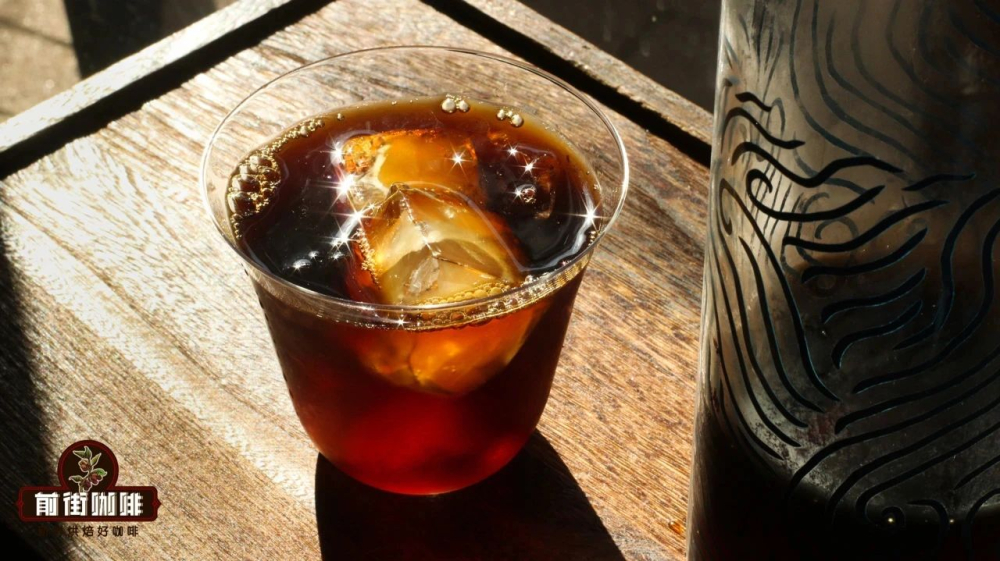
The term iced coffee broadly refers to all types of coffee consumed in cold form, including Americano with ice, iced latte, iced pour over, as well as our focus today: cold brew and ice drip. Although these drinks are all served cold, their brewing methods differ significantly. Among them, Americano with ice, iced latte, and iced pour over typically start with hot water extraction to produce a strong, richly flavored hot coffee, which is then adjusted in concentration and temperature by adding ice cubes, cold water, or milk. In contrast, cold brew and ice drip use low-temperature or even room-temperature water throughout the extraction process, resulting in a distinctly different taste experience.
In the realm of cold brew coffee, there are mainly two types: one is ice drip coffee, which relies on specialized ice drip equipment. Due to the difficulty in obtaining such equipment and the complexity of operation, most coffee lovers opt to enjoy it at specialty shops; the other is conventional cold brew coffee, also known as cold steeped coffee, which has a low barrier to entry and can be made with basic tools. This brewing method preserves the original flavors of the coffee beans and doesn’t require special equipment, making it extremely popular for home use.
Cold brew, as the name suggests, is a process where coffee is steeped in low-temperature water for an extended period. Since the brewing temperature is much lower than traditional hot water brewing, it effectively avoids extracting excessive tannins and bitter substances that hot water can bring out. As a result, the final product usually showcases a softer balance of acidity and sweetness, along with unique fermented aromas. Also, due to the lower efficiency of cold water extraction, the brewing time usually ranges from 8 to 12 hours—much longer than the few minutes required for typical hot water brewing.

The roast level of coffee beans greatly affects the flavor of cold brew. Essentially, coffee beans are seeds, and their oil content and distribution change with the degree of roasting. Generally speaking, the darker the roast, the more pronounced the oils on the surface and in the taste, resulting in a bold and heavy flavor. On the other hand, lighter roasted beans retain more of their innate fruit acids and floral notes, offering a relatively fresh texture that’s ideal for showcasing subtle layers. Therefore, if you’re aiming for a clean and non-cloying cold brew experience, it’s recommended to prioritize medium to light roasted coffee beans.
If you’re looking for a single-origin coffee bean that works well for both pour over and cold brew while offering diverse flavors, here are three thoughtfully selected options worth considering. First, the washed Guji Dingding from the town of Yirgacheffe. When cold brewed, it reveals a refreshing floral aroma, citrus notes, accompanied by honey-like sweetness and a delicate green tea aftertaste. Second, the Strawberry Sugar Gesha Blend, which combines Panamanian and Costa Rican Gesha beans, merging the freshness of washed processing with the sweetness of honey processing, delivering captivating layers of rose, raisin, and fruit gummy flavors. Lastly, the natural-processed Huigui from the Gedeo Zone of Guji, which, through refined sun-drying processing, showcases tropical fruit flavors like strawberry and guava, and finishes with a smooth black tea-like aftertaste.
Making cold brew coffee at home is actually very simple. First, prepare a clean glass container with a capacity of about 200 milliliters and a tight-fitting lid, ensuring it is free of oil stains. Next, accurately weigh 20 grams of medium to light roasted coffee beans and grind them to a medium-coarse consistency, similar to white sugar. It’s recommended to test the grind size using a Chinese No. 20 standard sieve, aiming for a roughly 75% pass rate. Place the ground coffee into the glass bottle, and according to a 1:10 coffee-to-water ratio, pour in room-temperature or iced water. It’s best to use filtered water to ensure pure flavor. Stir thoroughly to fully saturate the coffee grounds, then seal tightly and place in the refrigerator. Let it steep for 8 to 12 hours without shaking. Finally, filter out the coffee grounds using filter paper or a filter cloth, and your freshly brewed cup of cold brew coffee is ready to enjoy.
The above content is compiled by CoffeeHunters, a coffee news website.


