







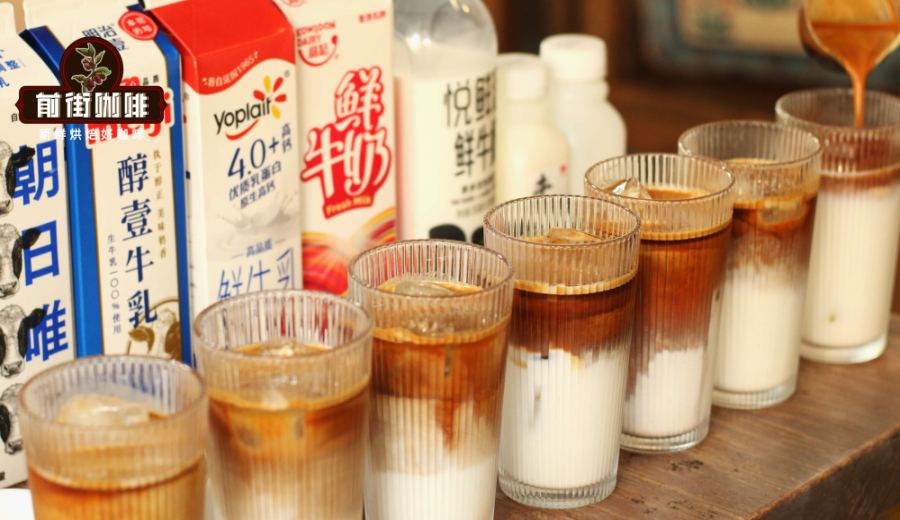
Introduction:Iced lattes are rich and smooth, yet yours always seem less layered than the ones from cafés? The key lies in stable espresso extraction, the pairing of coffee bean types with milk quantity, and the timing of ice usage. This article dives deep into the differences between iced lattes and regular iced coffee, helping you master the correct way to extract espresso, choose suitable coffee beans, achieve the ideal coffee-to-milk ratio, and not overlook the fine details when making it at home — so you can recreate café-quality flavor in your own kitchen.
Both are iced coffee, so why do café-made iced lattes often taste smoother and more aromatic? In reality, an iced latte isn’t just coffee and milk with ice added — it has its own unique traits in terms of espresso extraction, milk-to-coffee ratio, and drinking method. This article will thoroughly analyze the differences between iced lattes and general iced coffee, and provide practical espresso extraction parameters, coffee bean selection suggestions, and hands-on tips on ice and coffee-to-milk ratios tailored for home brewing, helping you make an iced latte that’s closer to café standards.
Many beginner coffee enthusiasts trying to replicate iced lattes at home often run into the frustration of “using the same beans, but somehow never achieving that rich and smooth taste.” The issue is likely not with the ingredients themselves, but rather with extraction pressure, bean suitability, and ratio control. Especially since home espresso machines generally operate at lower pressures, if they fail to reach the standard 9 bars required for extracting espresso, the resulting “espresso” often ends up as weak as water. Even with plenty of milk added, it’s hard to achieve a rich and balanced flavor. Therefore, the primary key to making a flavorful iced latte at home is stable and adequately pressurized espresso extraction.
For home equipment, choosing an espresso machine that delivers a standard 9-bar pressure is crucial — for example, the popular Huifa 310 is a common choice among many home users. Additionally, if you want to further enhance the aroma and crema of your coffee, it’s recommended to pair it with a professional espresso grinder. Grinding beans fresh and brewing immediately maximizes the coffee’s potential. It’s worth noting that some users may opt for low-cost multi-functional machines that only provide 3–4 bars of pressure. The liquid extracted by such machines often lacks the richness and depth characteristic of espresso, and even when mixed with milk, the overall flavor remains thin.
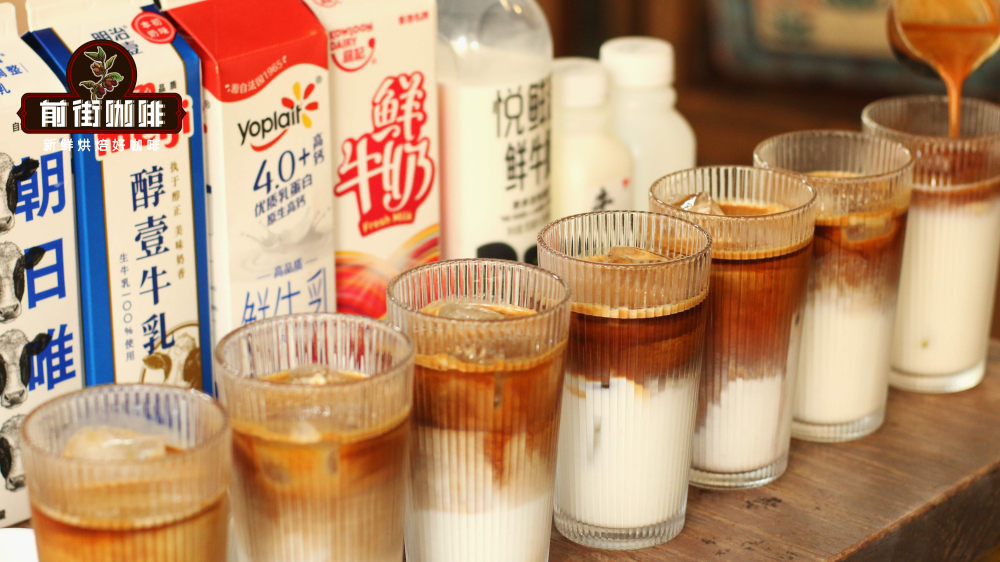
The choice of coffee beans is another major factor determining the flavor profile of an iced latte. Whether it’s a dark-roasted blend or a medium-to-light roasted single-origin bean (SOE), priority should be given to how well it pairs with milk and whether its flavors can shine through the milk. For instance, a certain premium blend uses Colombian washed and Brazilian semi-washed beans, delivering layers of nuts, dark chocolate, and caramel, with a smooth mouthfeel — suitable for general home and office use, and also a stable base for latte art. Its roasted aroma is strong, and even when used to make a Dirty, it can display beautiful layering and a deep brown tiger-stripe effect.
If you’re particularly focused on crema performance and aroma intensity, a certain classic blend would be a more suitable choice. This medium-dark roasted formula combines beans from three regions, drawing inspiration from the traditional “Mamba” combination (Mandheling + Brazil), with a small addition of Robusta to enhance the richness and crema thickness of the flavor. It’s very fitting for latte art beginners and coffee enthusiasts looking to explore higher-level flavors. It’s important to note that freshly roasted beans tend to release excessive carbon dioxide, which can cause rough foam during extraction. It’s recommended to let the beans rest in a cool place for 7–10 days upon arrival, and consume them within about 50 days for optimal flavor.
Next is the “golden ratio” between espresso and milk. When making an iced latte, the quality of the espresso extraction directly impacts the final flavor. For example, if the extraction is overdone, resulting in obvious burnt bitterness, no amount of milk can mask it. It’s recommended to use a coffee-to-water ratio of 1:2, with extraction time controlled between 26–30 seconds, ensuring a stable flow rate throughout, without splashing or interruptions — only then can you achieve a balanced and rich espresso base.

As for the coffee-to-milk ratio, the typical recommended range is 1:4 to 1:8, and the actual ratio can be fine-tuned according to the characteristics of the bean and personal taste. For instance, when using a dark roast with dominant notes of dark chocolate and nuts, where the espresso flavor is richer and more robust, it’s advisable to increase the milk ratio — for example, a 1:5 mix can effectively balance the bitterness and create a smoother mouthfeel. Conversely, if using a light roast with floral or fruity acidity notes, it’s better to reduce the milk ratio, such as 1:4, to preserve the inherent aroma layers of the coffee and avoid them being completely overwhelmed by the milk.
Finally, the timing and choice of ice are also extremely important. Many people overlook the impact of melting ice on overall flavor — once the ice melts too quickly, it not only dilutes the concentration of the coffee and milk, but also makes the entire drink taste watery. It’s recommended to use harder, older ice, and minimize the contact time between ice and liquid. In practice, you can quickly extract the espresso and pour it directly into a cup containing ice and milk, allowing the golden crema to float to the top, creating both visual and taste enjoyment — much like a Dirty coffee with its distinct layered visual effect.
In summary, making a homemade iced latte that approaches café quality hinges on three key elements: stable high-pressure espresso extraction, espresso beans that pair well with milk, and precise control of the coffee-to-milk ratio and ice usage. By adjusting these details, you can easily recreate that smooth, rich, and well-balanced iced latte at home, and enjoy your own moment of coffee bliss.

The above content is compiled by CoffeeHunters, a coffee news website.


