







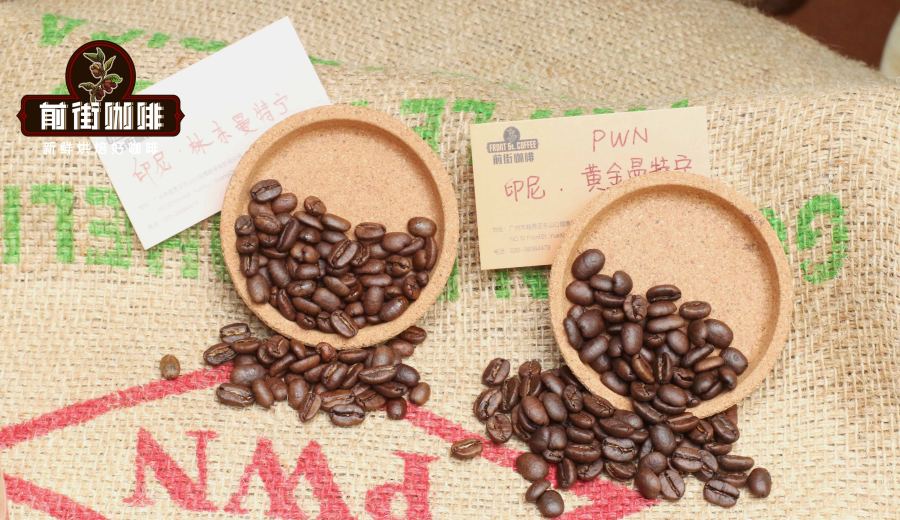
Introduction:Looking for a low-acid, full-bodied coffee bean that’s perfect for pour over? Indonesian Mandheling is widely loved for its deep chocolate and nutty profiles. This article takes an in-depth look at two popular choices—Lintong Mandheling and PWN Golden Mandheling—exploring everything from regional terroir and processing methods to roast profiles. Discover their unique flavor profiles and optimal brewing recommendations, along with practical info on entry-level G1 grade beans, to help you find the Mandheling that best suits your taste.
Want a pour over coffee bean that’s not overly acidic but offers a rich body and captivating chocolate aroma? Indonesian Mandheling beans from Sumatra are a top choice for many coffee enthusiasts. Among them, Lintong Mandheling and PWN Golden Mandheling stand out with their medium-to-dark roast profiles that highlight low acidity and intense herbal notes, making them ideal everyday beans for many pour over lovers.
Both of these beans undergo rigorous cupping selection to ensure consistent and stable flavor across each batch. Through medium-to-dark roasting, the signature spices and dark berry layers of Mandheling are brought out, while retaining a full body—making them excellent for achieving ideal results with V60, AeroPress, or siphon brewers.
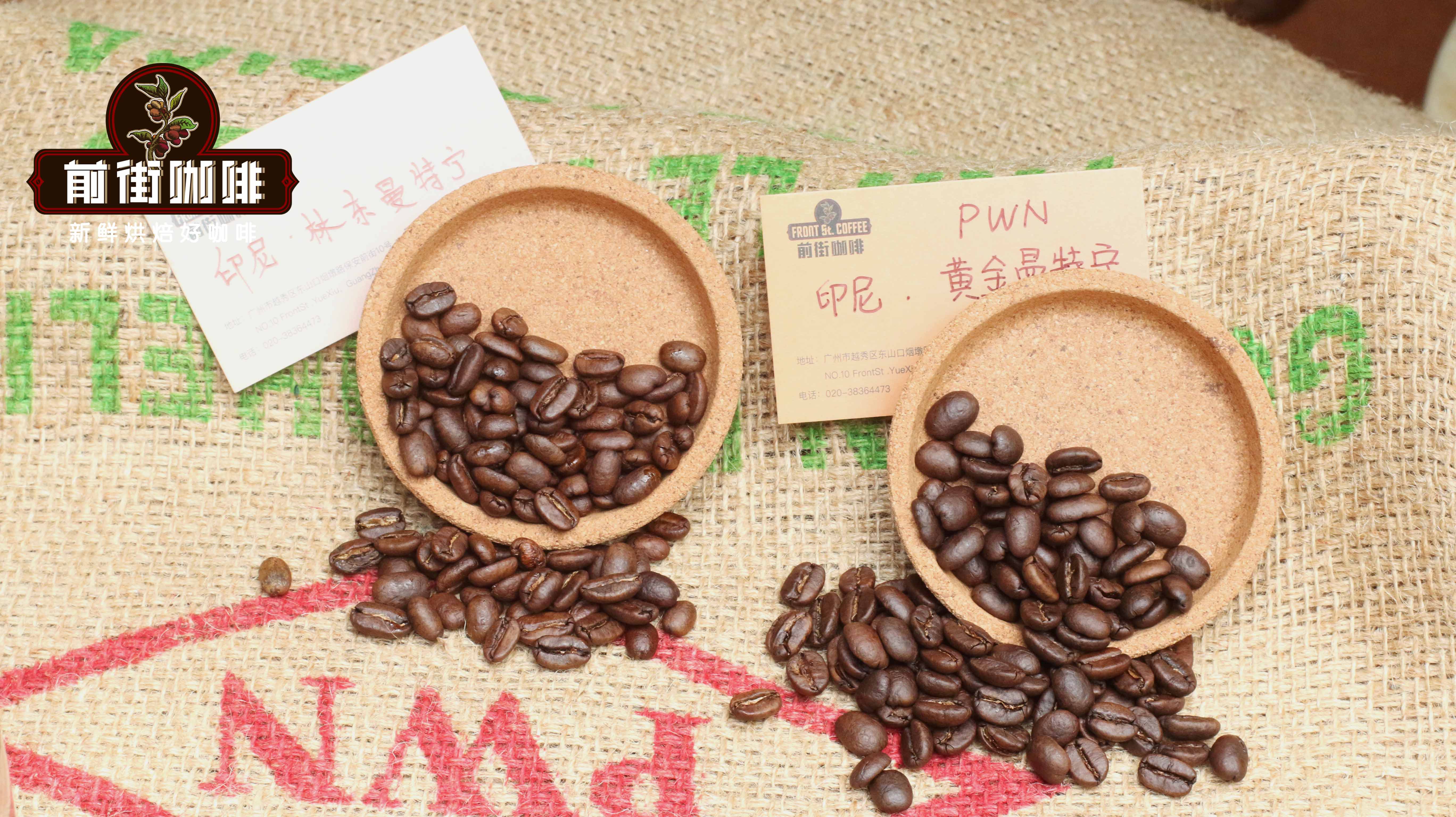
Lintong Mandheling is renowned for its intense black chocolate, brown sugar, and nutty aromas, with a finish that carries subtle herbal notes, adding depth to the overall flavor. PWN Golden Mandheling, on the other hand, is even more selective, starting with high standards in green bean selection. The beans undergo multiple rounds of manual sorting, keeping only those that are uniformly shaped and colored. When brewed, it releases dry aromas of cedarwood, nuts, and licorice, followed by a balanced taste of black chocolate and caramel. It has a smooth mouthfeel and a pronounced aftertaste, with outstanding body.
If you’re new to pour over coffee, consider starting with entry-level Indonesian Mandheling G1. These beans also come from Sumatra’s Lintong region and are of the highest local G1 grade. Processed using the wet-hulled method and roasted dark to enhance their dominant notes of spice, nuts, and black chocolate. Notably, these beans are suitable not just for pour over, but also for moka pot or French press, making them great practice beans for experimenting with different brewing methods while enjoying Mandheling’s rich, low-acid profile.
The Lintong Mandheling growing region is located in the mountainous areas around Lake Toba in northern Sumatra. This lake is the largest highland freshwater lake in Sumatra, situated at an altitude of about 900 meters. The region’s humid, foggy climate, combined with volcanic soil, provides ideal growing conditions for coffee trees. The traditional wet-hulled method (Giling Basah)—where coffee beans are hulled while still carrying some mucilage after fermentation and washing—results in Mandheling’s bold, distinctive herbal, earthy, and spicy tones, setting it apart from coffees of other regions.
When it comes to the pinnacle of Mandheling, PWN Golden Mandheling is certainly among the top. PWN stands for “N.V. Pawani Medan company,” a trader specializing in sourcing and exporting high-quality Mandheling green beans, known for its strict quality control processes. Back when Japanese demand for Sumatran coffee was rising, inconsistencies in local bean quality were noticed, prompting the introduction of a more refined selection system. PWN Golden Mandheling undergoes one mechanical and four manual sorting stages, with strict regulations on bean size, shape, color, and defect rate, ensuring every bean meets high standards. There’s even a rumor that the beans glisten golden in the sunlight, hence the name “Golden.”
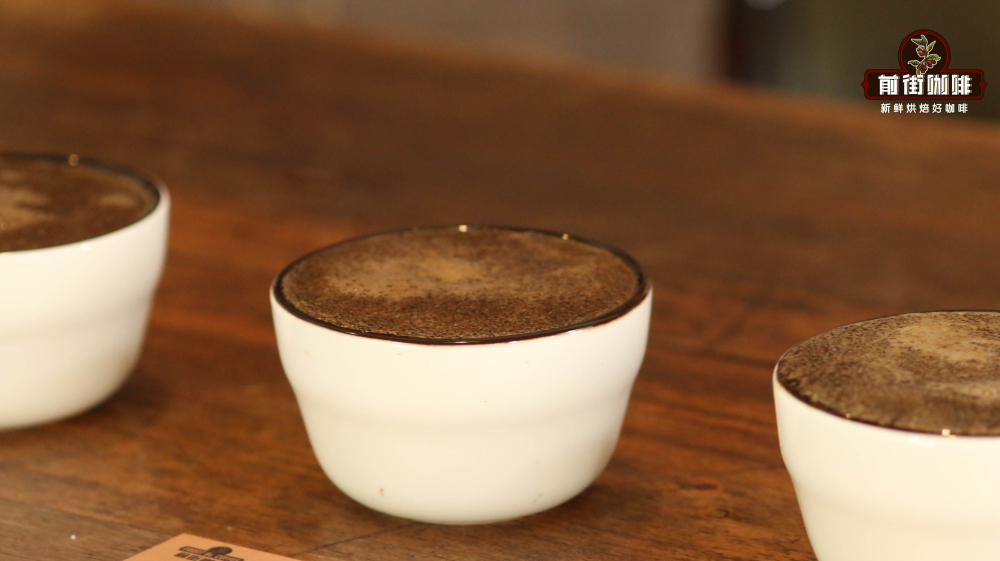
Freshly roasted PWN Golden Mandheling gives off rich aromas of cedarwood and nuts upon opening the bag, accompanied by subtle herbal notes. After brewing, the scents of licorice and caramel become more pronounced. On the palate, it reveals a rich complexity of black chocolate, cocoa, and spices, with a clean, well-defined flavor, a long-lasting sweet aftertaste, and an impressive body. It performs excellently not just in pour over, but also in French press and siphon. If brewed as pour over bags, you can still easily enjoy the essence of this premium Mandheling.
In summary, whether you’re a coffee lover seeking classic chocolate notes or a beginner looking for a low-acid, full-bodied option, Indonesian Mandheling offers diverse choices. From the herbal and spicy profile of Lintong Mandheling, to the meticulously selected PWN Golden Mandheling, to the entry-level G1 practice beans, each has its own unique appeal. Remember to adjust grind size and water temperature according to your brewing device—generally, a medium-fine to medium grind (such as 8–10 on the Little Flying Horse grinder) and a water temperature between 90–92°C are recommended to fully bring out Mandheling’s body and aromatic layers.
The above content is compiled by CoffeeHunters, a coffee news website.


