







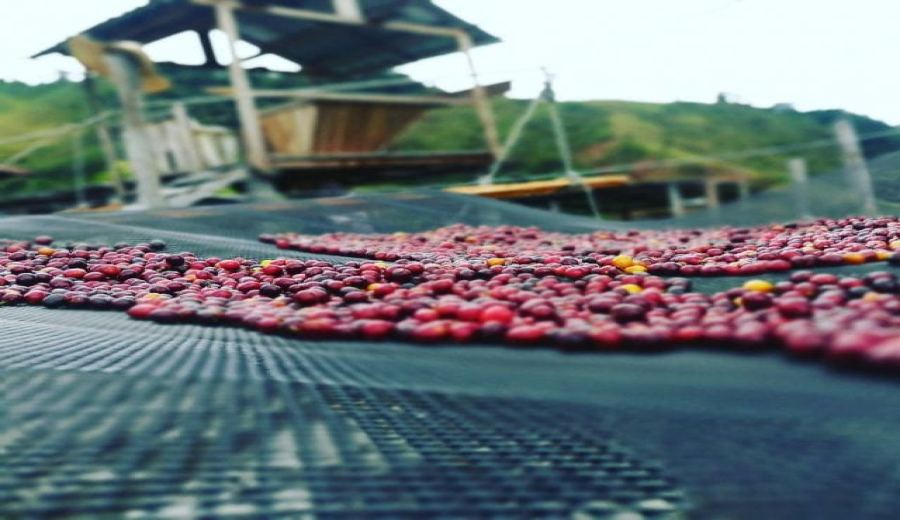
Introduction:As Ethiopia’s most iconic specialty coffee region, Yirgacheffe is renowned for its distinctive floral and fruity aromas as well as bright acidity. This article delves into the region’s high-altitude growing environment, the key differences between washed and natural processing methods, and provides a detailed analysis of the flavor profiles and recommended brewing techniques for two classic coffees—helping coffee enthusiasts discover their own unique Yirgacheffe experience.
When Africa is mentioned, many people first think of vast deserts and harsh natural environments. However, what is lesser known is that this continent is the birthplace of coffee in the world. According to agricultural research data, the world’s first coffee tree was discovered in the Horn of Africa, and Ethiopia—as the homeland of coffee—boasts the Yirgacheffe region, which is widely recognized in the specialty coffee community as a flavor sanctuary.
The town of Yirgacheffe is located in Ethiopia’s Southern Nations, Nationalities, and Peoples' Region within the Sidamo area, where coffee is typically grown at elevations ranging from1,700 to 2,200 metersabove sea level. Such altitudes not only provide a cool climate but also create significantdiurnal temperature variations, slowing down the ripening process of coffee cherries and aiding in the accumulation and refinement of flavors. Most coffee farmers in the region operate on a small-scale, family-based model. After harvest, the coffee cherries are usually sent to local cooperatives for unified processing, ensuring consistency and traceability in quality.
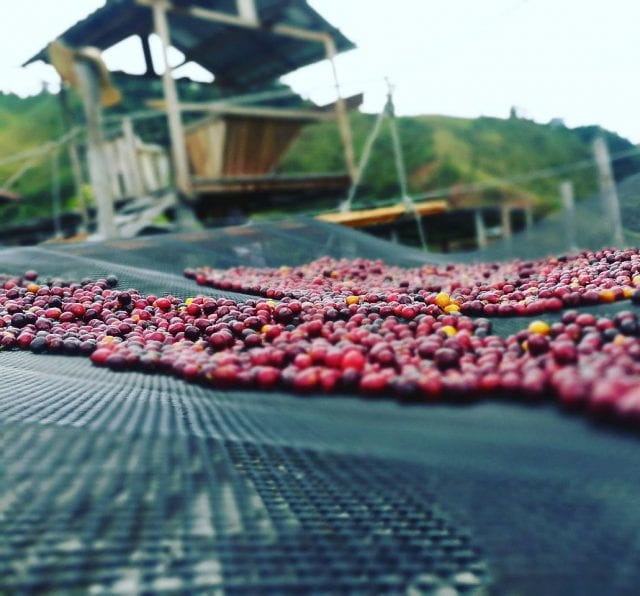
The most captivating characteristic of Yirgacheffe coffee lies in its vividfloral and fruity notesandvibrant acidity, which have completely transformed many people’s stereotypical perception of coffee as merely bitter. Whether you’re a beginner or a seasoned coffee lover, you can experience a layered and refreshingly pleasant flavor profile from this coffee.
In terms of processing methods, Yirgacheffe coffee is mainly divided intowashedandnatural (sun-dried)types, which exhibit significant differences in flavor expression. Washed processing generally delivers cleaner, brighter acidity and clearer floral notes, while natural processing enhances sweetness and fruitiness, resulting in a more complex profile.
The washed Yirgacheffe process is relatively intricate: first, the outer skin and pulp of the harvested coffee cherries are removed, then the beans are placed in water fermentation tanks for12 to 36 hoursof fermentation, during which natural yeasts break down the mucilage. After fermentation, the beans are thoroughly washed with clean water and finally spread out on raised beds or concrete patios to sun-dry. This method effectively removes impurities and defective beans, resulting in beans with neat appearance, low defect rates, and high flavor stability—often regarded as the hallmark of high-quality coffee.
For coffee lovers who prefer bright acidity and floral notes, it is recommended to trywashed Yirgacheffe. These coffees typically showcasejasmine, citrus, and berryaromas, coupled with a tea-like aftertaste, and are best presented with amedium-light roast level. It is advised to brew them using thepour over methodto fully highlight their delicate flavor layers.
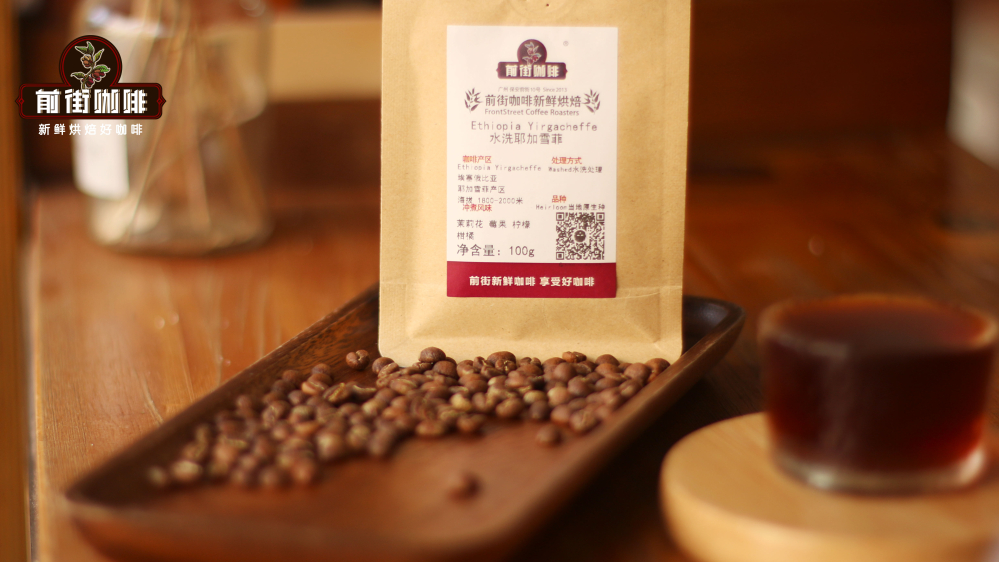
In contrast, the natural processing method is more traditional and primal. Harvested coffee cherries are directly spread out on drying beds and exposed to the sun forseveral days to two weeks, with regular turning to ensure even drying. Because the fruit flesh and mucilage remain in prolonged contact with the seeds during drying, the final coffee exhibits richer sweetness and more complex fruit aromas.
The flavor of natural Yirgacheffe typically manifests ascitrus, berries, and fruity fermentation notes, accompanied by a honey-like sweetness and a creamy body. This type of coffee suits those who enjoy sweet flavors and full-bodied mouthfeel. Amedium-dark roast levelis recommended, and brewing methods such as theFrench pressorAeroPresscan be used to fully extract its rich flavors.
Regardless of your preferred processing method, Yirgacheffe offers the unique charm of African coffee. It is recommended to experiment with different processing methods and brewing techniques based on your personal taste preferences, and explore your own coffee flavor map.
The above content is compiled by CoffeeHunters, a coffee news website.


