







Introduction:The Geisha (Geisha) coffee bean, as a standout in the global specialty coffee scene, is unforgettable for its distinctive floral and fruity notes. But did you know it actually belongs to the Arabica family? From its origins in Ethiopia in the 1930s to its meteoric rise to fame at Panama’s Hacienda La Esmeralda, this article will fully trace the variety’s background, journey, signature flavors, and how to brew it to achieve its best performance—taking you deep into the allure of this top-tier coffee bean.
When it comes to the Geisha (Geisha) coffee bean, many coffee enthusiasts are always full of curiosity: is it really an Arabica variety? And why has it been able to stand out among so many coffee varieties to become a representative of specialty coffee? In fact, Geisha does indeed belong to the Arabica species, but it’s not just any ordinary Arabica—it’s one particularly distinctive and high-performing strain.
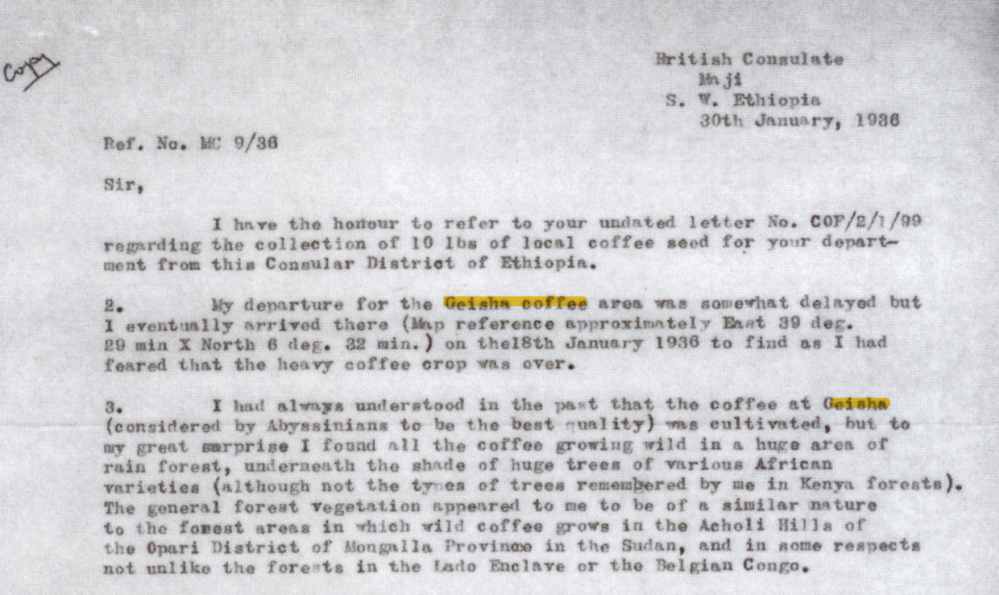
This highly acclaimed variety can be traced back earliest to Ethiopia in the 1930s. At that time, a British army officer named Colonel Richard Whalley was tasked with collecting coffee seeds in the region, gathering a total of about 10 pounds. In 1936, he first mentioned a variety called “Geisha” in his report—that is, the Geisha we know today. These seeds were later sent to the British Embassy in Kenya, then transferred to the Lyamungu Coffee Research Center in Tanzania.
In Tanzania, researchers screened out five strains, numbered VC496 to VC500, among which VC496 was highly regarded for its excellent resistance to leaf rust and was sent to the CATIE Coffee Germplasm Center in Costa Rica in 1953, where it was renumbered as T2722. This bean variety later made its way to Panama, but initially, due to low yield and weak wind resistance, it remained largely overlooked there for a long time.
It wasn’t until the late 20th century that Hacienda La Esmeralda in Panama, aiming to improve coffee quality, introduced several varieties—including T2722—for testing from CATIE. Unexpectedly, this ancient variety from Ethiopia exhibited distinctive fruit aromas and honey-like sweetness, completely transforming people’s perception of Geisha.
In 2004, Hacienda La Esmeralda entered the Geisha variety into the Best of Panama (BOP) competition and won first place, also setting a new record for the highest price ever paid at a green coffee auction at the time. From then on, Geisha officially ascended to the pinnacle of specialty coffee, becoming the target of pursuit for coffee farmers and roasters worldwide.
What makes Geisha so captivating is its highly recognizable aromatic profile, with common flavor expressions includingwhite floral notes (such as jasmine, brandy rose), tropical fruits (like mango, passionfruit), citrus acidity, as well as delicate honey-like sweetness and tea-like qualities. These traits make it stand out among numerous coffees, and even with its high price, it remains highly sought after by coffee lovers.
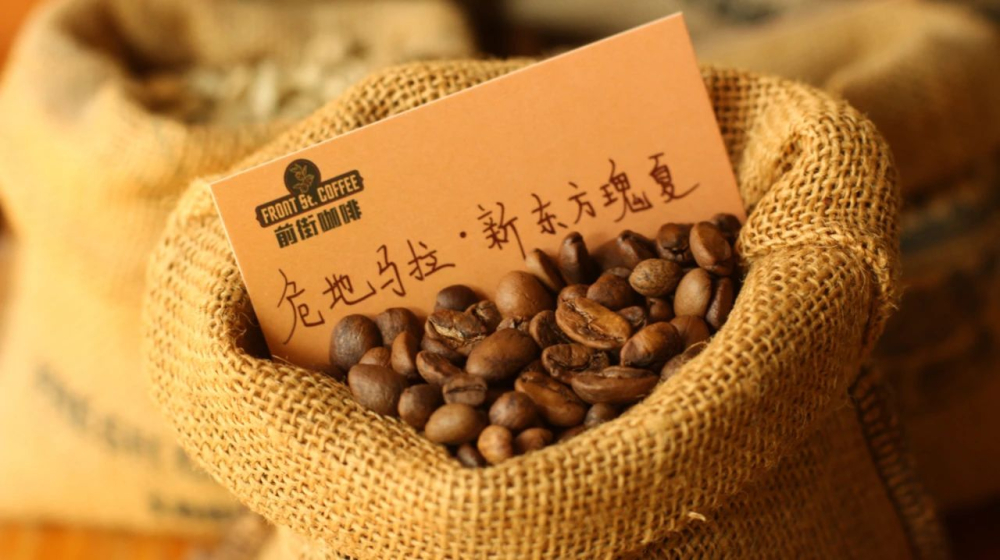
Currently, Geisha is cultivated in multiple coffee-growing regions around the world, including Colombia, Costa Rica, Guatemala, El Salvador, and even in China’s Yunnan and Taiwan. However, in terms of flavor performance and overall quality,Panamanian Geisha remains the leader, especially those grown in high-altitude volcanic soil regions such as the Boquetero and Volcán regions in Boquete, which are considered the golden origins of Geisha coffee.
The Red Label Geisha (Esmeralda Special Edition Geisha) under Hacienda La Esmeralda is one of the most representative brands. This series of coffee selects only Geisha beans from specific high-altitude micro-lots with cupping scores of 90 or above, and clearly indicates the planting plots, such as the famous Mario plot at Jaramillo farm. These beans are mostly processed using traditional natural (sun-dried) methods, enhancing sweetness and the intensity of aroma.
If you want to brew Geisha at home that approaches competition-level quality, you can refer to the following professional-grade recommendations: choose medium-light roasted Geisha beans and pair them with a meticulous brewing technique. Taking the Hario V60 dripper as an example, it is recommended to use a water temperature of 92°C, a powder-to-water ratio of 1:16, and a grind size of about EK43s setting 10 (approximately 80% passing through a Chinese No. 20 sieve). Use a three-stage pouring method, consisting of 30g bloom (30 seconds), 120g pour (until 1:05), and 90g final pour (total extraction time around 2:20, total powder and water volume 240g), which helps fully showcase its aroma and layers.
Before brewing, please note that freshly roasted Geisha beans usually require a 4 to 7-day degassing period to allow residual carbon dioxide inside the beans to escape, which will make the flavors more rounded and smooth. If you’re eager to taste it, remember to increase the bloom time before pouring to help release the gases, aiding smoother flavor release.
A well-rounded cup of Geisha coffee should deliver prominent floral and fruity notes upon entry, such asjasmine, lychee, passionfruit, dried mango, and other layered flavors, while the aftertaste offers a long-lasting sweetness, a clear tea-like feel, and no astringency. Compared to Geisha from other regions, the Panamanian version often excels in aroma complexity and flavor purity.
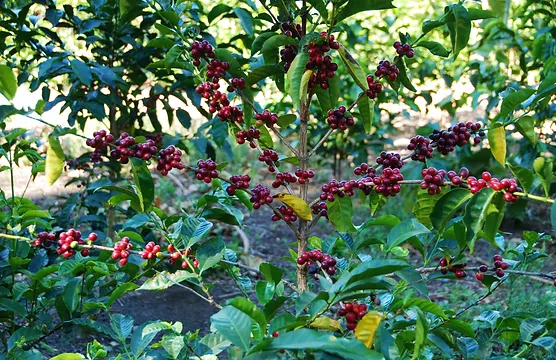
In summary, the Geisha coffee bean is not just a member of the Arabica family—it is one of its most iconic and elite varieties. From its seed origins in Ethiopia, to the masterful cultivation and processing at high altitudes in Panama, to its stunning performance on the competition stage, every step of Geisha’s journey is filled with legendary appeal. If you wish to deeply explore the ultimate expression of specialty coffee, why not start with a cup of Geisha from Hacienda La Esmeralda in Panama, and personally experience this gift from the highlands.
The above content is compiled by CoffeeHunters, a coffee news website.


