








Introduction:Delve into the Geisha coffee from a renowned estate in Panama, exploring its high-altitude growing environment, meticulous processing methods, and unique natural sun-dried flavor profile. This article details its citrus floral, ginger flower, and fruity notes, and provides brewing parameters and practical tips for a certain brand’s Catuai pour over, helping you experience the refined aromas and sweet flavors of this prestigious estate at a reasonable price.
In Panama’s Boquete region, famed for its specialty coffee, the Elida Estate stands out with its exceptionally high altitude, fertile volcanic soil, and unique microclimate, making it a consistent winner in international coffee competitions. Established in 1918, this historic estate has been managed by the Lamastus family for four generations, consistently upholding high standards in cultivation and processing.
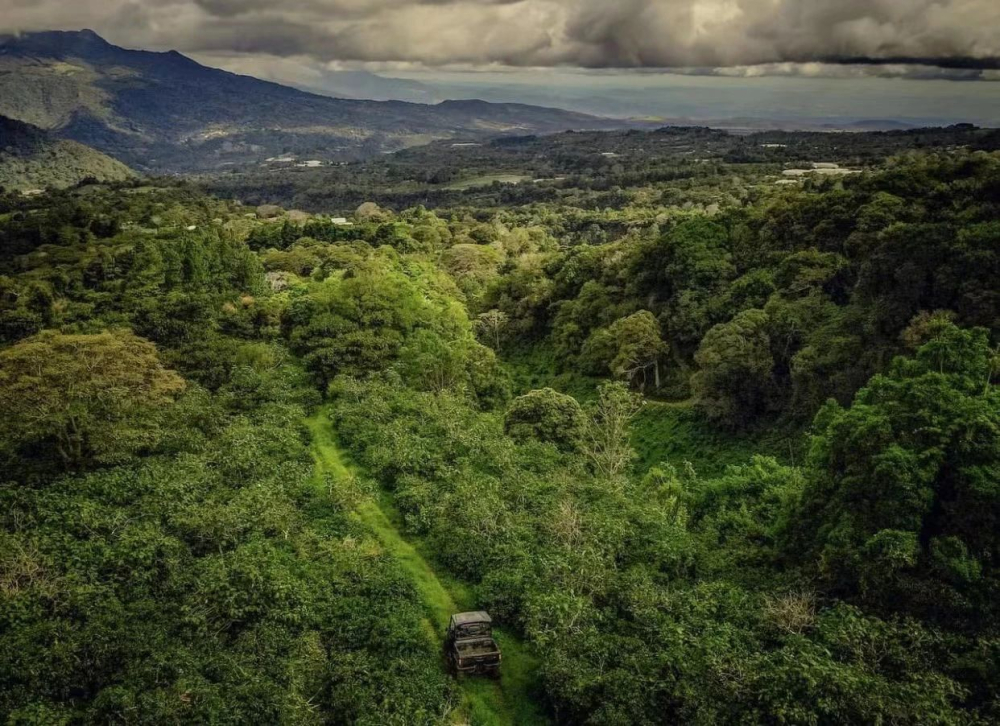
The Elida Estate is situated at an altitude of approximately 2,050 meters. The cool environment slows the ripening of coffee cherries, typically about a month later than in other regions, allowing more time for the accumulation of flavor compounds. Coupled with its proximity to the Baru volcano, the mineral-rich volcanic soil provides ideal growing conditions, contributing to the estate’s distinctive coffee character.

The Elida Estate primarily grows three varieties: Catuai, Typica, and Geisha. Among them, Geisha is the flagship due to its complex floral notes, bright acidity, and multi-layered fruity profiles. Particularly in its natural sun-dried process, Elida Geisha exhibits aromas of citrus flowers, ginger flowers, and fresh fruits such as pear, peach, and orange, paired with sweet cocoa, sandalwood, and subtle candy-like finish, offering a juicy and layered cup.
The Elida Catuai introduced by a certain brand, while not the top-tier Geisha, offers coffee enthusiasts a more accessible price point to enjoy the estate’s consistent refined aromas and sweet fruit tones. This coffee presents dominant notes of peach, raisin, and orange upon brewing, with a finish that carries hints of grapefruit and a green tea-like freshness—ideal for those who enjoy a balanced fruitiness and sweetness.
Estate owner Mr. Wilford is extremely particular about coffee quality. Not only does he insist on hand-picking only fully ripe coffee cherries, but he also subjects the processed beans to at least five months of low-temperature resting (Resting), a practice promoted by coffee expert George Howell, which effectively stabilizes and deepens flavor expression. Low-temperature resting is especially important for sub-tropical grown beans, helping reduce grassy or astringent notes and achieving a rounder, more balanced flavor.

The Elida Estate is not only one of the highest-altitude coffee farms in the Boquete region but has also claimed the championship title at the Best of Panama (BOP) cupping competition multiple times. In 2018, its Green Tip Washed Geisha scored an impressive 94.66, setting a BOP record that remains one of the legends of the competition. Such accolades stem from rigorous control at every stage—from growing altitude and microclimate, to harvest ripeness, processing, and resting—each step influencing the final cup profile.
In terms of green bean analysis, Typica, one of the oldest Arabica varieties, features slender bean shape and low yield but often achieves very high cupping scores. Compared to other varieties, Typica demands higher standards in both growing environment and processing techniques, which in turn allows it to deliver more delicate acidity and aroma profiles.
For roasting, it is recommended to adopt a medium-to-low charge temperature strategy, which helps highlight floral and fruity notes along with sweetness, while avoiding overly intense dry distillates. During roasting, the development time after first crack needs precise control—suggest extending it moderately to fully develop caramelization, yet being mindful of heat adjustment to prevent spicy or overly charred flavors. Taking the Yang 600g semi-direct-fire roaster as an example, the charge temperature is advised to be set at 170°C, with dropping the beans around 1 minute and 45 seconds after first crack when the drum temperature reaches 190°C, achieving a good balance and flavor expression.
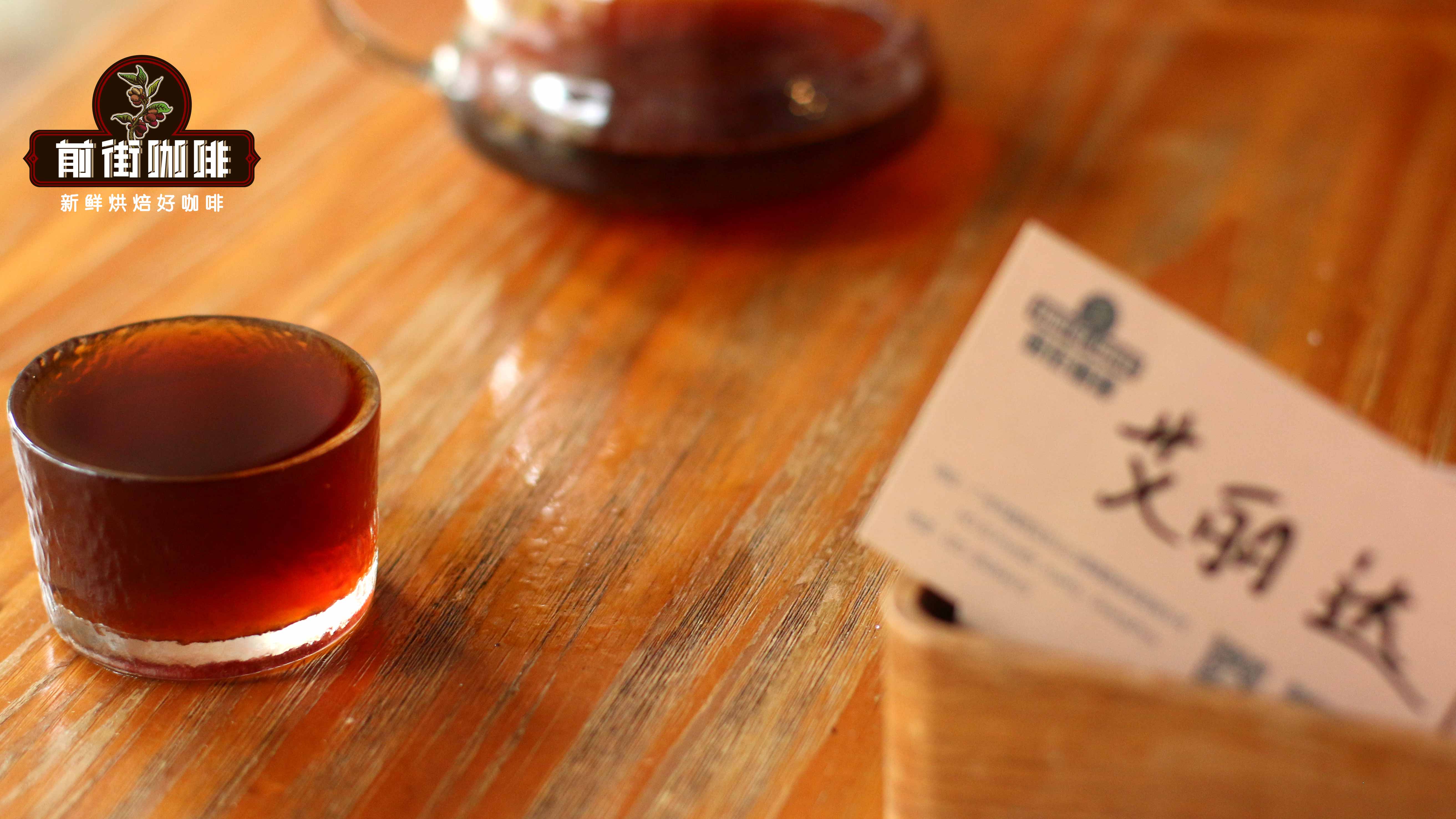
In cupping, this coffee bean exhibits dry aromas of caramel, roasted almonds, and distinct floral notes. Upon brewing, it releases wet aromas of jackfruit and fermented wine, while the cup delivers sweet layers of raisin, peach, orange, and cane sugar, paired with a refreshing green-tea-like mouthfeel. The overall flavor is clean and layered.
For the certain brand’s Elida Catuai, a pour over method is recommended to fully showcase its floral and fruity characteristics. Suggested grind size is similar to coarse sugar (approximately 80% passing through a #20 sieve), using a V60 dripper, with a brew ratio of 1:15 and water temperature controlled between 90–92°C. The specific steps are as follows: start with a 30-second bloom using 30g of water, then proceed with pulse pouring—first pouring to 120ml and pausing, followed by slowly pouring up to a total of 225ml, following the 30-120-225 sequence. This parameter highlights distinct notes of peach, raisin, and orange, with a finish of grapefruit freshness and green tea aftertaste, delivering an overall balanced and easy-drinking cup.
The above content is compiled by CoffeeHunters, a coffee news website.


