







Introduction:For beginners who are new to coffee, facing a wide array of origins, processing methods, and roast styles can often make it difficult to know where to start. This article will provide clear and easy-to-understand bean selection advice from four key aspects: roast level, brewing method, price, and freshness, helping readers quickly find their first cup of coffee that suits their taste, avoid unnecessary detours, and enjoy their own coffee moments.
Many people who have just started drinking coffee often ask: where should I begin with coffee beans? The options on the market are overwhelming, with different origins, processing methods, and roast levels often leaving one feeling at a loss. In fact, by mastering just a few simple principles, you can easily find coffee beans that suit you—whether you prefer bright, acidic, fruity notes or rich, bold flavors—you can find direction in this beginner’s guide.
I. Choose Based on Roast Level to Find Your Flavor Preference
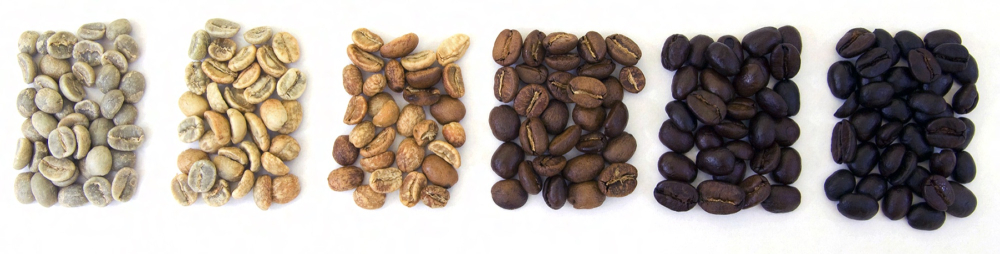
The roast level of coffee directly affects its flavor profile. Generally speaking,Light roastcoffee beans tend to have more pronounced acidity, featuring bright flavors such as floral, citrus, or berry notes, with a refreshing taste. They are suitable for those who enjoy acidity and are commonly used with pour over or cold brew methods.Medium roaststrikes a balance between acidity and bitterness, offering a more rounded flavor that suits most people and works well with both pour over and espresso brewing.Medium-dark and dark roastbeans often have a noticeable oily surface, with flavors leaning toward nuts, chocolate, and caramel. They have a heavier, richer bitterness and are ideal for those who dislike acidity and prefer bold, intense flavors. These are commonly used for making espresso, lattes, or Americano.
II. Choose the Coffee Bean That Best Matches Your Brewing Tool
Different brewing equipment also has varying requirements for the roast level and processing method of coffee beans. If you’re using anespresso machine, it is recommended to choose beans roasted medium or darker, as these beans can deliver sufficient intensity and crema, helping to showcase the layers and aromas of espresso. Common choices include medium-dark roast blends, which are typically made from beans sourced from multiple regions and offer a rich taste with stable performance—suitable for milk-based coffee or pure espresso.
If you prefer usingpour over equipmentsuch as pour over kettles, clever drippers, or French presses, it is recommended to choose single-origin beans, which can more clearly highlight the unique flavors of the origin. For pour over, medium-light to medium roast beans are generally preferred, as they can accentuate fruity acidity, floral notes, or nutty characteristics. For example, if you enjoy fresh fruitiness, you might opt for washed-process beans; if you prefer bold cocoa or dark chocolate notes, you could choose medium-dark roast varieties.
III. No Need to Start with High-Priced Beans—A Reasonable Budget Lets You Explore More
The price of coffee beans on the market varies greatly, with some specialty beans even costing more than ten times that of regular beans. Although high-priced beans may have unique qualities in terms of origin, grade, or processing method, for beginners, an excessively high price doesn’t necessarily guarantee a better drinking experience. It is recommended that newcomers start with moderately priced beans, gradually exploring different roast levels and origins to establish their own flavor preferences before venturing further into the premium market.
IV. Freshness Is Key—Choosing the Right Time Ensures Optimal Flavor
The flavor of coffee beans begins to develop after roasting but gradually diminishes over time. To achieve the best extraction and aroma expression, it is recommended to choose beans roasted within45 days. Fresh beans not only have more vibrant aromas but also display richer layers during brewing. For storage, keep beans in a cool, dark, and dry place, and try to open the bag only just before grinding to minimize aroma loss.
In summary, choosing your first coffee bean isn’t difficult—just focus on the four key factors: roast level, brewing method, price, and freshness, and you’ll be able to find the option that best suits you. Whether you prefer bright, tangy, and refreshing flavors or rich and bold ones, you can gradually explore your own coffee world using these guidelines.
The above content is compiled by CoffeeHunters, a coffee news website.


