







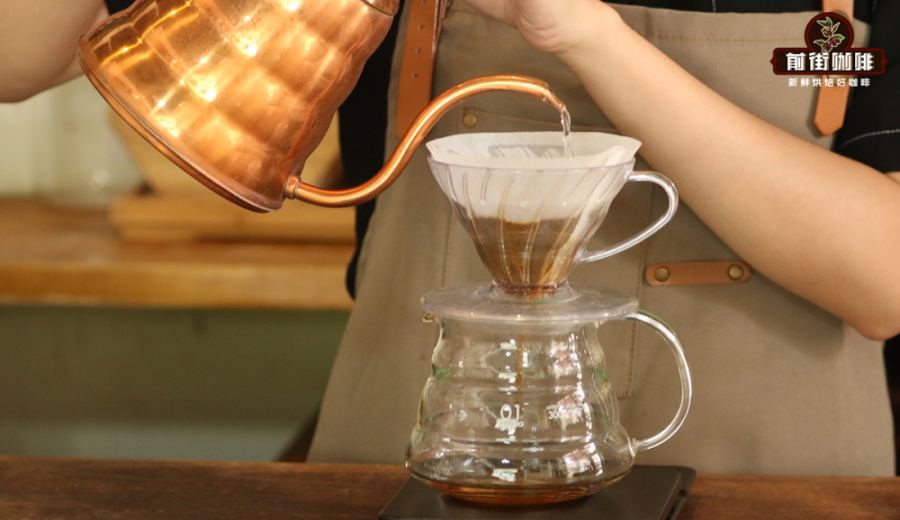
Introduction:For those who are just starting out with pour over coffee, facing a wide array of single-origin beans can often feel overwhelming. This article selects five classic everyday-grade coffee beans that are beginner-friendly, covering African Yirgacheffe, American Colombian Huila and Costa Rican Tarrazú, Brazilian Cerrado, as well as Asian wet-hulled Mandheling and Yunnan small beans. It provides a detailed introduction to their processing methods, flavor profiles, and brewing parameter suggestions to help you establish a clear flavor coordinate system.
Beginners who are trying pour over coffee for the first time are often puzzled by the dazzling array of single-origin bean options on the market. The charm of specialty coffee lies in the unique flavors bestowed by the microclimates and soils of different origins, but if you’re not yet familiar with regional characteristics, processing methods, and flavor correlations, it’s recommended to start with easy-to-drink everyday-grade beans. This article focuses on five widely praised basic single-origin beans: Ethiopian Yirgacheffe, Colombian Huila, Costa Rican Tarrazú, Brazilian Cerrado, as well as Indonesian wet-hulled Mandheling and Yunnan small beans. By analyzing their washed/wet-hulled processes, typical flavor directions, and brewing-compatible parameters, it helps you find an entry point.
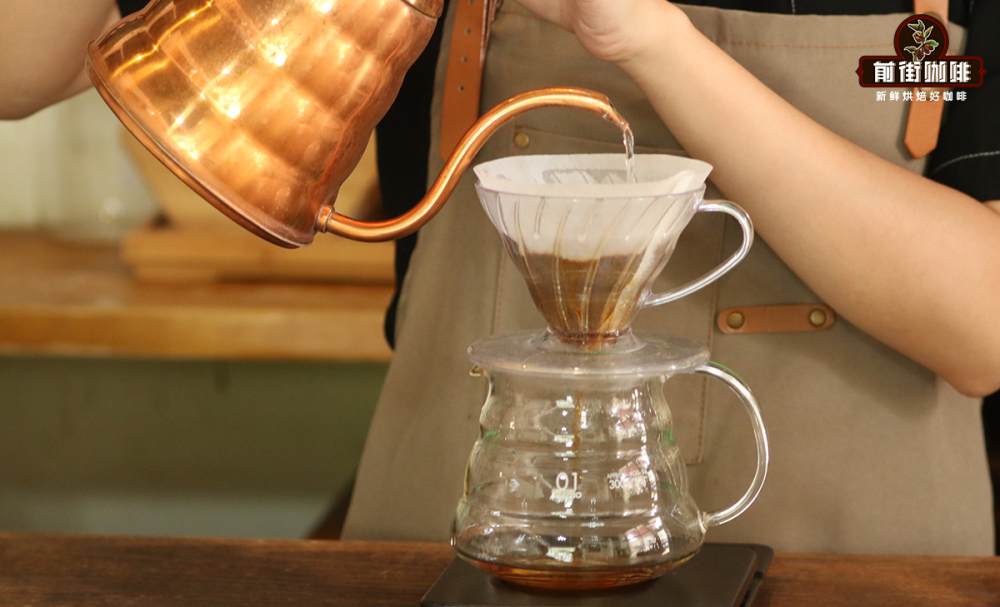
Since its establishment as a concept in the last century, specialty coffee has always emphasized the decisive influence of regional terroir on coffee flavors. The so-called everyday beans refer to basic single-origin beans that are of stable quality and affordable price, especially suitable for beginners aiming to build a flavor foundation. These representative beans from major global producing regions each present distinct regional characteristics—from the bright citrus notes of Africa to the rich herbal aromas of Asia. The diverse processing methods further create a rich variety of taste layers.
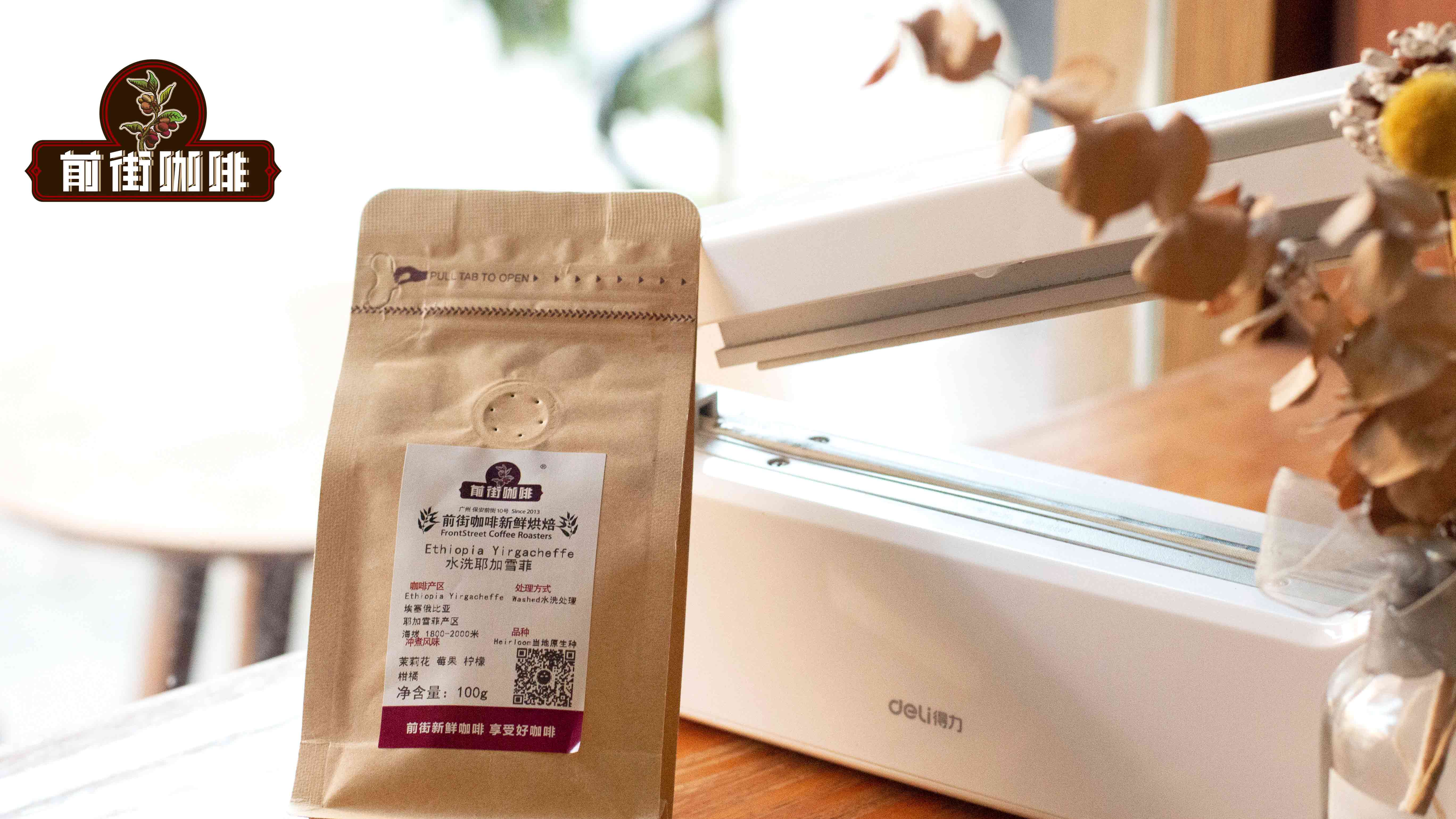
The African representative is the Ethiopian Yirgacheffe washed bean. Since the introduction of the washed processing method in this region in the last century, it has successfully transformed the acidity of high-altitude-grown coffee beans into a fresh lemon and citrus flavor, accompanied by delicate jasmine floral notes. This classic bean varietyhas a medium to slightly high acidity intensity, with bitterness controlled at a medium to low level,and the recommended optimal brewing water temperature is 90-92°C. Using a medium-fine grind (about 75% passing rate through a Chinese standard No. 20 sieve) along with a 1:15 coffee-to-water ratio can effectively highlight its signature bright acidity and fruity-floral character.
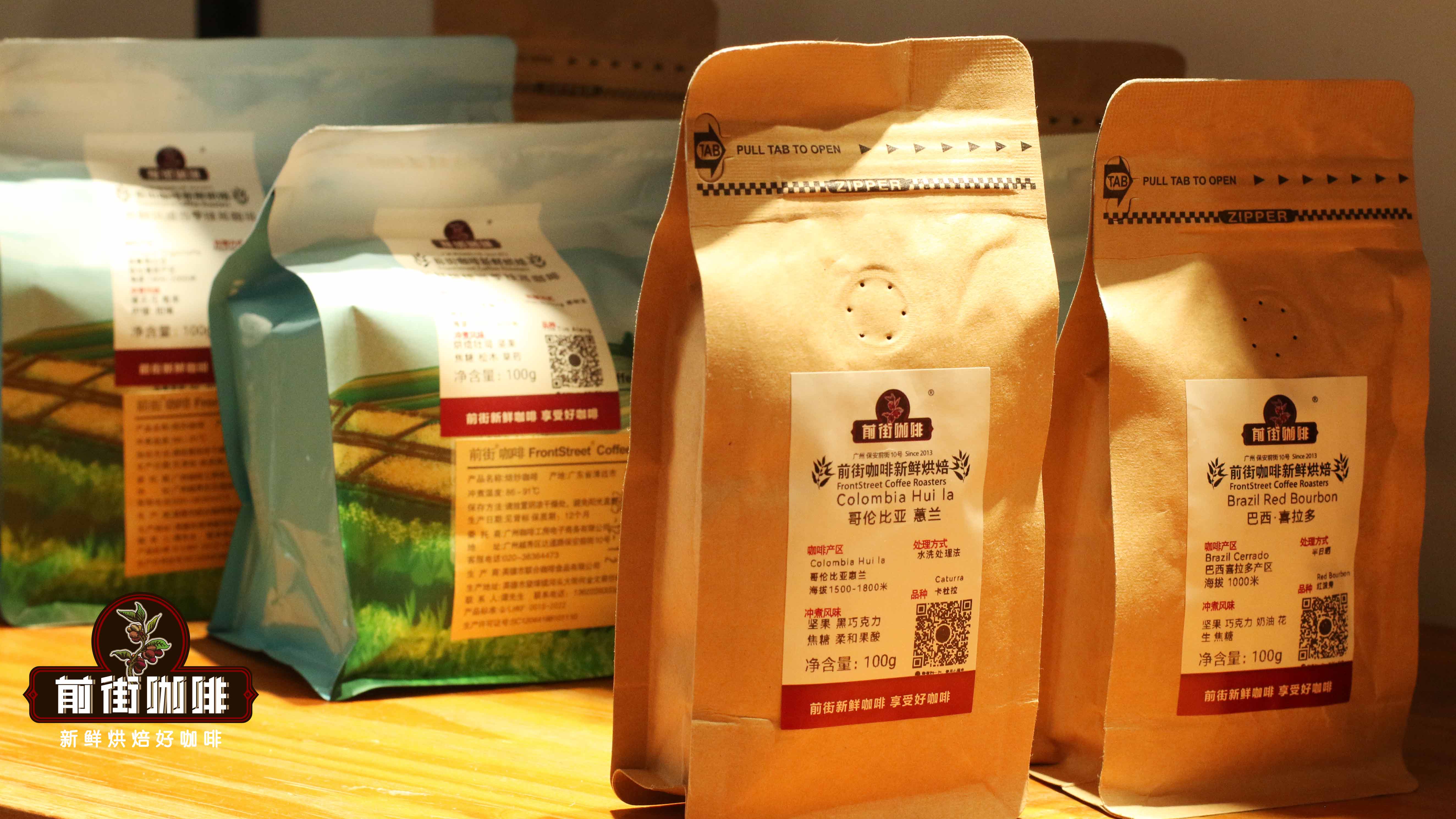
For the Americas, we recommend the Colombian Huila region’s washed Caturra variety bean. Thanks to the country’s high-altitude growing environment and abundant rainfall, this coffee bean accumulates ample nutrients, forminga balanced combination of citrus acidity and dark cocoa undertones, complemented by moderate nutty notes. Itsflavor intensity is consistently stable,and it is recommended to extend the blooming time to 30 seconds during extraction. Using a 1:16 coffee-to-water ratio can better emphasize the caramel sweetness in the mid-palate. Also a classic from the Americas, the Costa Rican Tarrazú washed bean showcases the traditional advantages of the region’s washed processing—even though honey processing has become popular in recent years, the mature washed technique still producesa smooth taste with prominent nuttiness and balanced sweetness, and a clean orange acidity in the aftertaste.The grind size can be slightly coarser than Yirgacheffe (about 70% sieve passing rate)to avoid over-extraction.
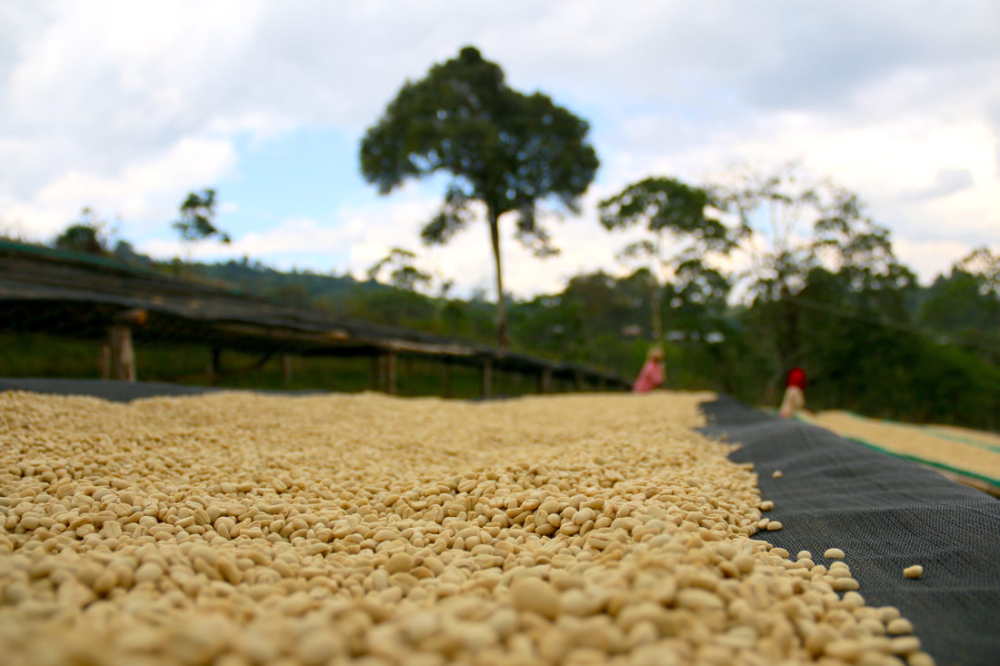
The representative bean from Brazil’s Cerrado region, the largest coffee-producing country in South America, presents distinct regional characteristics:high body and a nutty baseform its main flavor profile. Compared to other American beans, it has lower acidity and is suitable for drinkers who prefer a fuller mouthfeel.It is recommended to use a slightly coarser grind (65% sieve passing rate)and control the extraction time within 2 minutes and 30 seconds to prevent excessive release of woody tannins. Turning to the Asian region, Indonesia’s Sumatra wet-hulled Mandheling is renowned for its unique processing method—local humid conditions have led to the development of a wet-hulling technique involving staged drying and early removal of the parchment layer, unexpectedly creatinga classic combination of low acidity, thick mouthfeel, and herbal-spicy notes.Attention should be paid to water flow stability during brewingto avoid earthy off-flavors caused by over-extraction.
Finally, we recommend the Yunnan Baoshan region’s small-bean coffee (Catimor variety) washed bean. As one of the few producing regions located in the coffee belt's "golden zone," Yunnan, with its years of cultivation experience, producesa stable roasted-nut base with brown sugar sweetness.Its body performance is excellent. This entry-level everyday beanis recommended to use freshly ground coffee powder(try to use it within 15 minutes after grinding), paired with a 1:15 coffee-to-water ratio and 90°C water temperature, which can perfectly present its combination of fullness and gentleness. All recommended bean varieties are common commercial-grade everyday beans, ensuring both flavor representation and cost-effectiveness, making them ideal choices for building your personal coffee tasting system.
The above content is compiled by CoffeeHunters, a coffee news website.


