








Introduction:The crema layer on an espresso shot is not only a visual highlight but also a key indicator of successful extraction. This article delves into the various factors that influence crema formation, including bean freshness, roast level, machine settings, and more. It also recommends practical bean selections tailored to different needs, helping readers master the full process—from bean selection to extraction—to craft classic espressos with rich crema and bold flavors.
The captivating golden crema on the surface of an espresso is an important visual reference for judging whether an Italian-style coffee extraction is well executed. However, many coffee enthusiasts often face the issue of thin or even completely absent crema in practice. This may be due to the storage condition of the coffee beans, the roast profile, the bean variety, or improper settings such as equipment pressure, grind size, or water temperature. This article will systematically analyze the core elements that affect crema generation and recommend several practical bean selections suitable for making high-quality espresso, helping you optimize from source to execution and brew classic espressos with thick crema and rich mouthfeel.

Recently, many users have reported that when brewing espresso at home, they often encounter situations where there is no crema or it is extremely thin. In fact, a well-extracted espresso should have a golden to amber crema layer covering about one-third of its surface, with a texture as smooth as cream and good persistence on the cup. If the crema is noticeably insufficient, it often indicates that something has gone wrong during the extraction process—whether it’s the beans themselves, the equipment performance, or the parameters and technique that need adjustment.
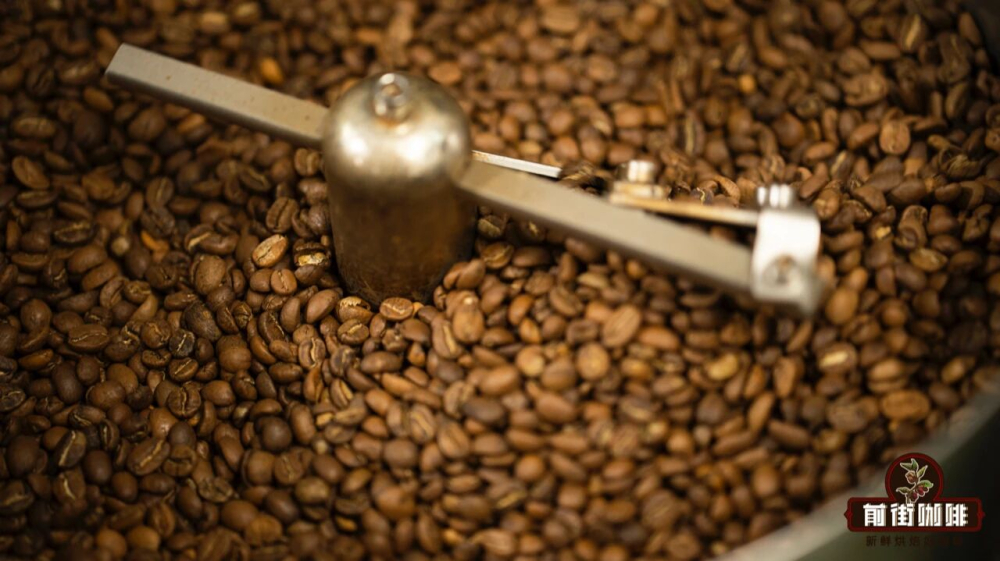
So, what are the key factors that affect crema formation? First and foremost, the freshness of the coffee beans is crucial. The essence of crema is actually formed when the natural oils in the coffee encapsulate carbon dioxide gas. Therefore, the fresher the beans, the more carbon dioxide they release, resulting in a richer crema layer. It is generally recommended to choose beans roasted within 5 days, and after receiving them, let them rest in a dry and cool place for 2 to 3 days to allow the beans to stabilize before extraction, which will yield better results.
Secondly, the roast level is also a significant factor in determining the amount of crema. With the same level of freshness, darker-roasted coffee beans typically produce a richer crema layer. If you prefer a bold and thick crema texture, it is recommended to choose medium-dark roasted beans. These beans not only perform well in terms of crema but also deliver a caramel-like sweet aroma and are suitable for various brewing methods, including pour over, moka pot, and espresso machines.
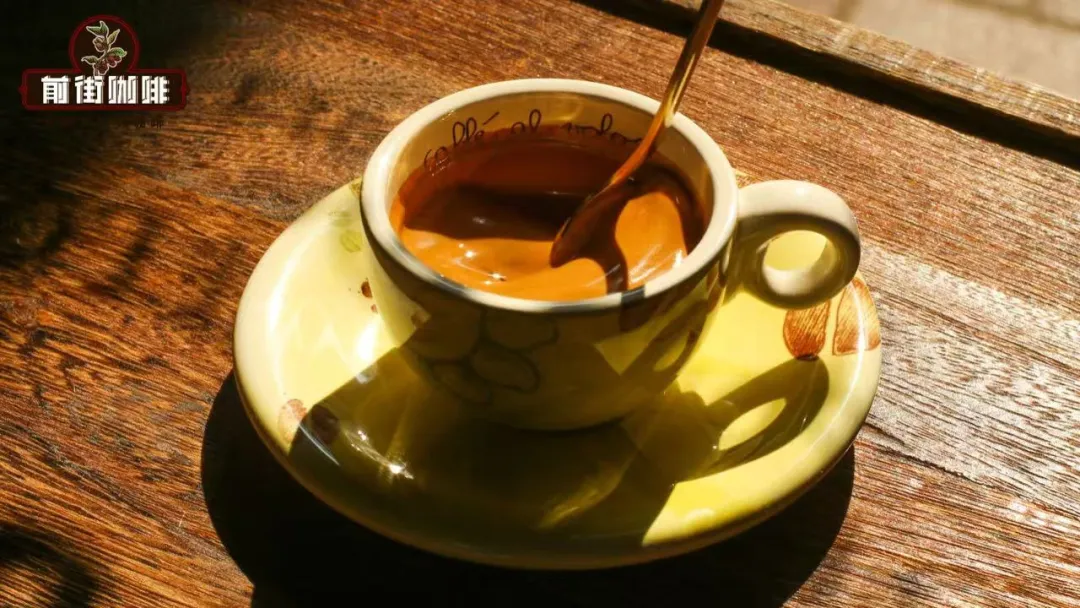
The color depth of the crema also reflects the extraction ratio of soluble substances in the coffee liquid. Generally, the darker the crema, the more flavor compounds have been successfully extracted. In addition, different coffee varieties contribute differently to crema production. Typically, Robusta beans naturally produce more crema than Arabica beans, so many professional espresso blends include a moderate amount of Robusta to enhance crema performance and body.
If you’re seeking a balanced flavor and moderate crema, consider choosing a blend of Yunnan small beans and Brazilian Cerrado, both Arabica beans. This type of blend offers stable extraction, great value, and is very suitable for home users or novice coffee shop owners. On the other hand, if you want a rich and bold espresso with abundant crema, you might opt for a classic blend that combines Mandheling and Brazilian beans with a small amount of Robusta. This traditional "Mandheling-Brazil" combination can significantly enhance the texture of the crema and the overall richness of the flavor.
It’s worth noting that lighter-roasted coffee beans usually produce thinner crema with a pale yellow or white hue, and their overall crema performance is not as prominent as that of medium-dark roasted beans. Therefore, if you’re using single-origin light-roast beans to make espresso, the expected crema layer may not be as intense as that of commercial beans, and it is advisable to select an appropriate roast level based on your needs.
If your extraction process seems normal but you still can’t achieve ideal crema, then the freshness of the beans may be the key issue. Espresso machines are highly sensitive to the state of the coffee beans. Beans that are too fresh may produce a lot of foam during extraction, but the crema is often unstable and tends to dissipate quickly. Conversely, beans that have been stored for too long may fail to generate any crema at all. Generally speaking, the resting period for espresso beans is about 7 to 10 days. It is recommended to wait at least a week from the roast date before using them, allowing the beans to enter a stable phase. The optimal period for both flavor and crema performance is within 60 days of roasting. Beyond this timeframe, aroma, flavor, and crema quantity will significantly decline (this explanation is based on normal storage conditions and does not take into account special treatments such as nitrogen sealing).
Another common issue is insufficient pressure in home espresso machines. The key to stably generating thick crema lies in the machine’s ability to provide about 9 bars of extraction pressure to fully press out the essence from the coffee puck. However, many home models cannot consistently maintain this pressure, making it naturally difficult to extract rich crema. Additionally, if the coffee grind is too coarse, it can lead to fast water flow, causing channeling and resulting in thin, light-colored crema, while the overall taste of the coffee will be weak. It is recommended to aim for extracting double the dose of coffee liquid within 20 seconds as a guideline. If the time is too short, it’s likely a sign that the grind is too coarse.
Finally, water temperature is also an important variable that should not be overlooked. The ideal water temperature for extracting espresso is generally recommended to be around 93°C. Water that is too cool can inhibit crema production, or even lead to under-extraction and overly acidic flavors. Furthermore, some home espresso machines require more than 10 minutes to reach a stable operating temperature after being turned on. Brewing without sufficient preheating can also negatively affect crema formation and overall extraction quality due to inadequate water temperature.
The above content is compiled by CoffeeHunters, a coffee news website.


