







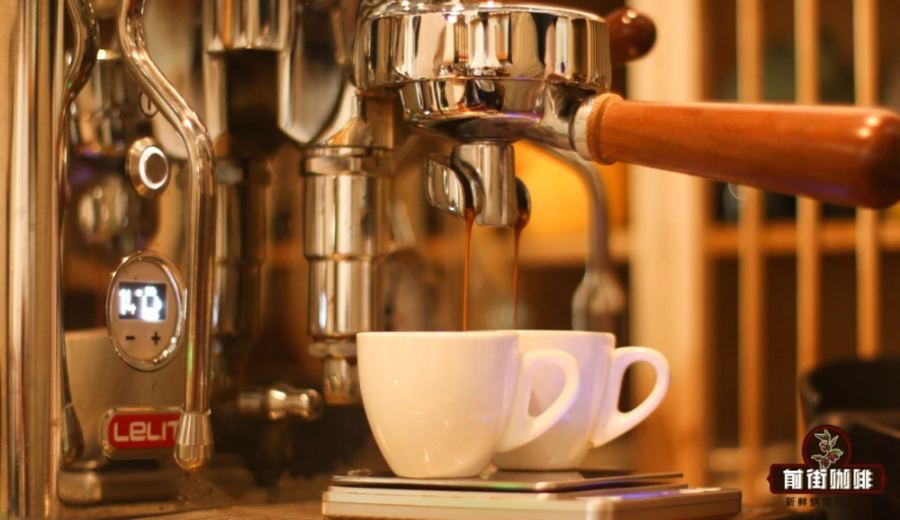
Introduction:Have you ever wondered how much caffeine is in a double shot when ordering at Starbucks? This article delves into the evolving definition of a Double Shot at Starbucks and other cafés—from traditional espresso volume measurements to today’s precise control over coffee dosage and extraction time—to help you understand the science behind a shot of espresso. Through actual extraction parameters and common misconceptions, whether you’re a coffee enthusiast or a home brewer, you’ll gain a more accurate understanding of your caffeine intake.
When ordering at Starbucks or other cafés, you’ve likely heard the term “Double shot,” but do you really know how much caffeine it represents? The caffeine content in a double shot can actually vary significantly between different drinks. This article will start with the historical background of espresso, step by step unpack the origin of the term “shot,” and analyze why the definition of a “single shot” of espresso may differ greatly from one café to another today.
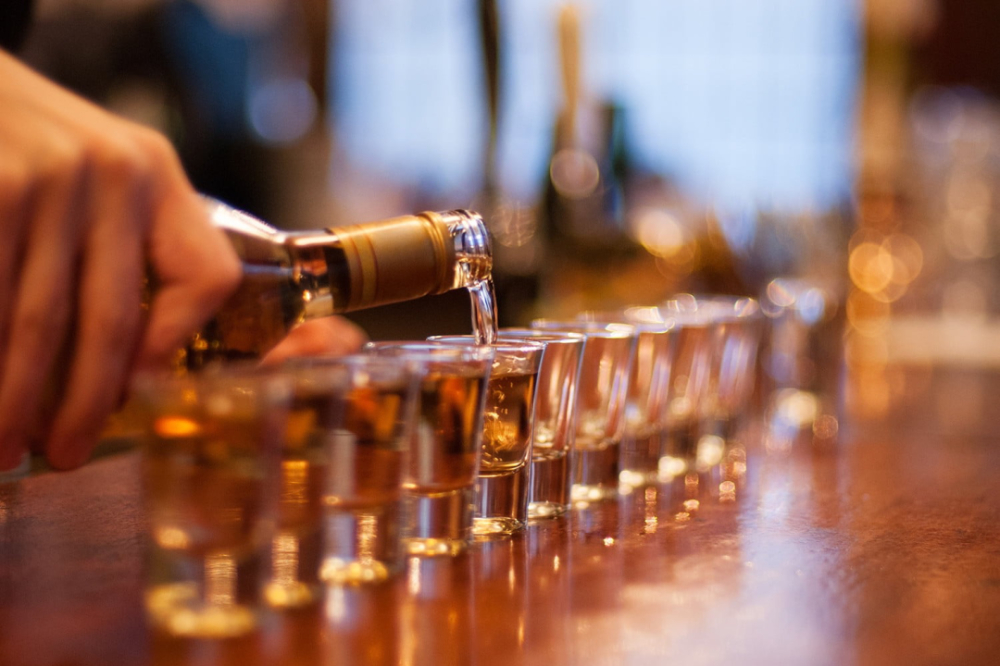
Many people assume that “shot” originates as a professional term in the coffee industry, but its origins are actually more closely tied to alcohol culture. In mid-20th-century bars, a “shot” referred to a small glass of hard liquor, typically around 30 milliliters (1 ounce). This single-sip serving was designed for customers to quickly and affordably enjoy alcohol. Over time, the term was borrowed into the coffee world to describe a standard volume of extracted espresso.
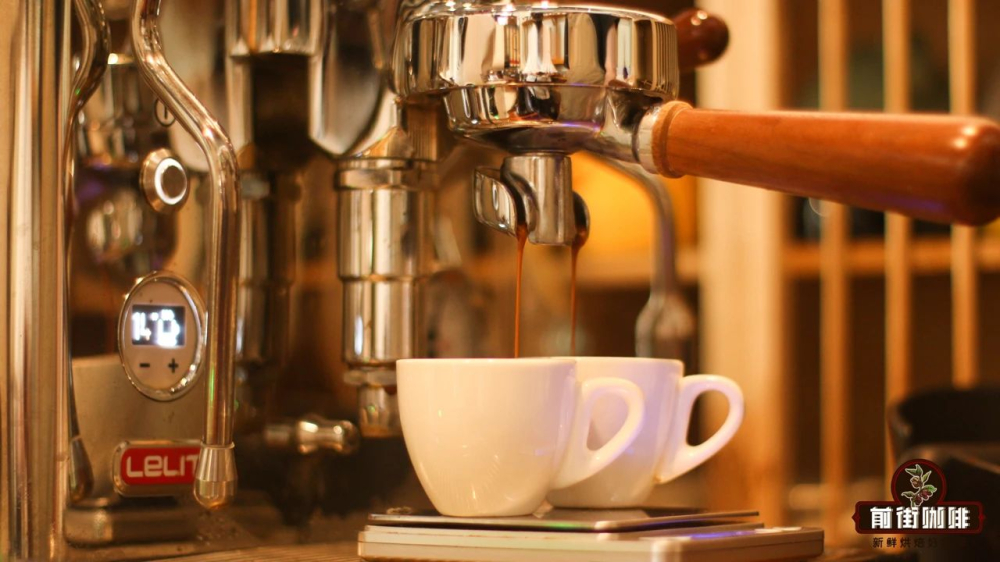
In the early days, without electronic scales, baristas often relied on visual judgment and experience, using two shot glasses with a capacity of about 30 milliliters each to determine when an espresso shot was done extracting. This explains the origin of why a “single shot” is said to be around 30 milliliters. However, because the surface of espresso is often covered with a thick layer of crema—which takes up volume but not weight—the actual weight of the liquid in such a cup may vary. For consumers who prefer a rich crema texture, you might try dark roasted beans, such as common commercial dark roast blends; if you prefer fruity acidity and softer flavors, medium roasted beans like Huakui or berry-toned blends may be more suitable.
So, how much liquid and caffeine should a single shot of modern espresso contain? Traditionally, a single shot (Single shot) uses 7 grams of coffee grounds to extract about 30 milliliters of espresso; a double shot (Double shot) uses 14 grams of coffee grounds to extract about 60 milliliters. However, with advancements in espresso machine technology and the refinement of the dose-to-yield ratio, the current standards have been adjusted. Nowadays, when using a double basket, common extraction parameters involve 18 grams of coffee grounds to extract about 36 grams (approximately 50 milliliters) of espresso, focusing on flavor extraction rather than just liquid volume.
It’s worth noting that even what is considered a “single shot” can vary from as little as 15 milliliters to over 50 milliliters across different cafés. This is because most shops now default to using double baskets and set the optimal coffee dosage and extraction time based on the characteristics of the beans they use. For example, some shops may use 20 grams of coffee, extracting 38 grams of liquid within 28 to 30 seconds—and their definition of a “double shot” would then be 38 grams, not necessarily the traditional 60 milliliters. If a customer orders just a single shot, some baristas may use a portafilter with a spout divider to dispense only half of the extraction, resulting in a single shot of about 19 grams.
Returning to Starbucks or other chain brands, the caffeine content in a double shot also varies depending on the beans used, the dosage, and the extraction time. Generally speaking, a standard double shot (using about 18 to 20 grams of coffee grounds) contains approximately 150 to 200 milligrams of caffeine, but the actual figure still depends on the specific recipe. If you’re sensitive to caffeine or want to manage your daily intake, understanding these details will help you make more informed choices.
In summary, whether you’re used to ordering a double shot latte at Starbucks or brewing at home with your own machine, understanding the evolution of the shot definition and the actual extraction parameters will give you a clearer picture of what’s really in each cup of coffee. From coffee dosage and liquid weight to extraction time, these numbers are not just technical details—they are key factors that influence both flavor and caffeine intake.
The above content is compiled by CoffeeHunters, a coffee news website.


