







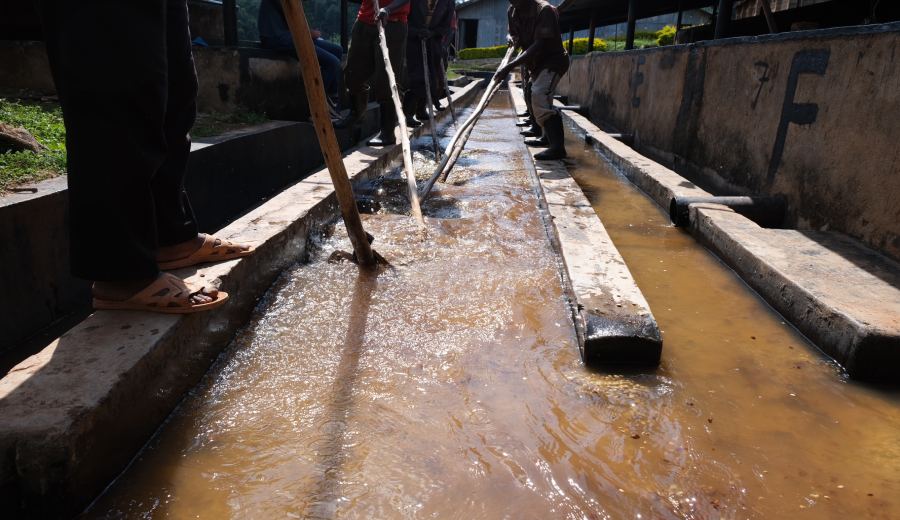
Introduction:Delve into Kenya’s world-renowned K72 double-washed processing method—renowned for its vibrant tomato and berry flavors. Explore the two fermentation stages, washing steps, and how fermentation time influences acidity and clarity. We’ll break down how this craftsmanship shapes the cup, and guide you from processing to flavor with practical pour-over parameters and tasting notes.
Kenyan coffee is globally celebrated for its bright acidity and crisp, clean profile—and a key reason is its signature K72 double-washed process. This technique enhances complexity and defines the classic flavor profile of premium grades like Kenya AA. This article dissects each step of the K72 method, including dual fermentations, washing, and soaking, analyzing its impact on acidity, clarity, and overall cup character. You’ll also get practical pour-over settings and real-world flavor insights to trace the journey from origin to your cup.
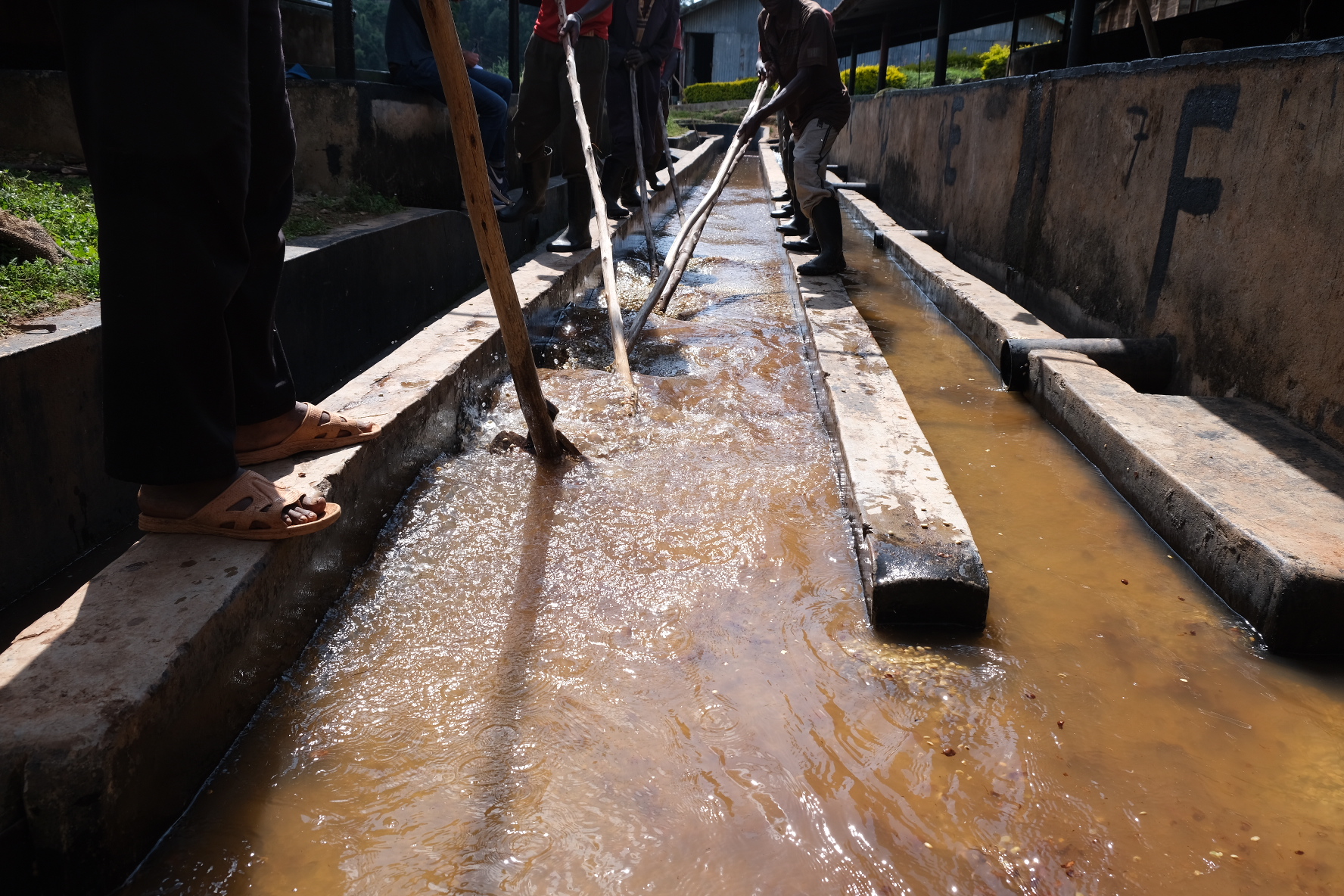 The so-called K72 method is a refined washed process developed in Kenya’s coffee regions. Taking about 72 hours in total and involving two fermentations and washes, it’s also called the “double-washed method.” The process generally includes: floatation of fresh cherries, pulp removal, initial 24-hour fermentation in an upper tank (sometimes replaced by dry fermentation), first wash, transfer to a lower tank for 36-hour secondary fermentation, second wash, 12-hour water soaking, and finally sun drying. This meticulous workflow not only minimizes impurities and off-flavors but also highlights the beans’ inherent fruity acids and aromatic traits.
During fermentation, the K72 method emphasizes precise timing and environmental control. After harvest, cherries are first floated to remove unripe or overripe ones, then depulped and placed in an upper fermentation tank for around 24 hours—the first fermentation (though dry fermentation without water tanks is sometimes used). Fermentation time is highly influenced by ambient temperature: higher temperatures accelerate the process. After the first fermentation, excess mucilage is rinsed off, and the parchment beans move to a lower tank for a 36-hour secondary fermentation. Here, special care is needed to refresh the circulating water every few hours to prevent unwanted fermentation odors.
After the second fermentation and wash, the beans rest in water for 12 hours to stabilize and reduce off-flavor risks. Overall, from the first fermentation to the final soaking, the K72 process spans 48 to 72 hours—far longer than standard washed methods. Though labor-intensive, this extended processing elevates clarity of acidity and overall cleanliness, resulting in a brighter, more layered cup.
Kenya’s dual-fermentation washed method promotes the production of acetic and other organic acids, yielding a more vibrant and distinctive acidity in the brewed cup. Compared to regular washed beans, K72 processing makes Kenyan beans’ fruit acids more concentrated while maintaining exceptional clarity—why many coffee lovers perceive their unique freshness and vibrancy so distinctly.
When discussing Kenyan coffee, its strict grading system can’t be overlooked. According to *Bean Hunter* (《尋豆師》), Kenyan beans are classified into eight grades: E, AA, AB, PB, C, TT, and M. Among them, AA is the most popular and represents top-tier quality. AA beans must be 17–18 mesh (about 7.2–8.2 mm) in size and consist solely of flat beans (each cherry containing two seeds). These beans undergo rigorous screening and processing, making them the flagship of Kenya’s specialty coffee.
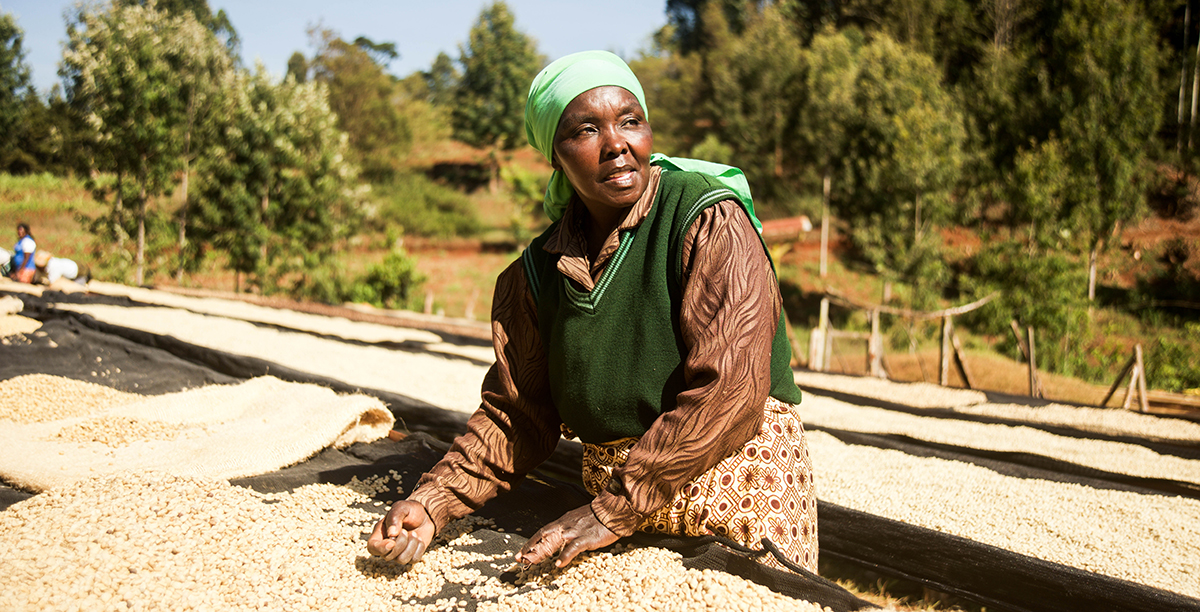 For coffee enthusiasts who love Kenyan profiles, pour-over brewing is recommended to fully showcase its bright acidity and nuanced fruit layers. For livelier acidity, try hot pour-over; for a crisper profile, ice pour-over, cold brew, or iced drip are great alternatives.
Below are tested hot pour-over parameters for Kenya AA TOP-grade beans from Thika, processed at Asali Honey Factory. The beans are grown at 1,550–1,750m altitude, of the classic SL28 and SL34 varieties, and processed via the K72 double-washed method.
Brewing recommendations:
- Filter: Hario V60
- Water temperature: 90–91°C
- Coffee dose: 15g
- Coffee-to-water ratio: 1:15
- Grind size: EK43s #10 (medium-fine, similar to superfine sugar texture)
Step-by-step extraction:
- Start with 30g water for a 30-second bloom
- Then pour in small circles until reaching 125g total for the first pour
- When the water level nears exposing the coffee bed, pour up to 225g and stop
- When the water level drops again close to exposing the bed, remove the filter to finish extraction
Aim for a total brew time of 2 minutes to achieve a cup with bright acidity, solid body, and balanced flavors.
In terms of flavor, this Kenyan “little tomato” coffee presents pronounced ripe tomato and elegant floral aromas in the wet stage. On the palate, cherry tomato and dark plum dominate, with sharp, lively acidity. The cup feels clean, full-bodied, and tangible, with a weighty texture akin to an African elephant. The mid-palate delivers clear sweetness, like fresh juice, while the finish lingers with berry aromas, brown sugar sweetness, and a hint of green tea freshness—a long, layered aftertaste.
The above content is compiled by CoffeeHunters, a coffee news website.


