







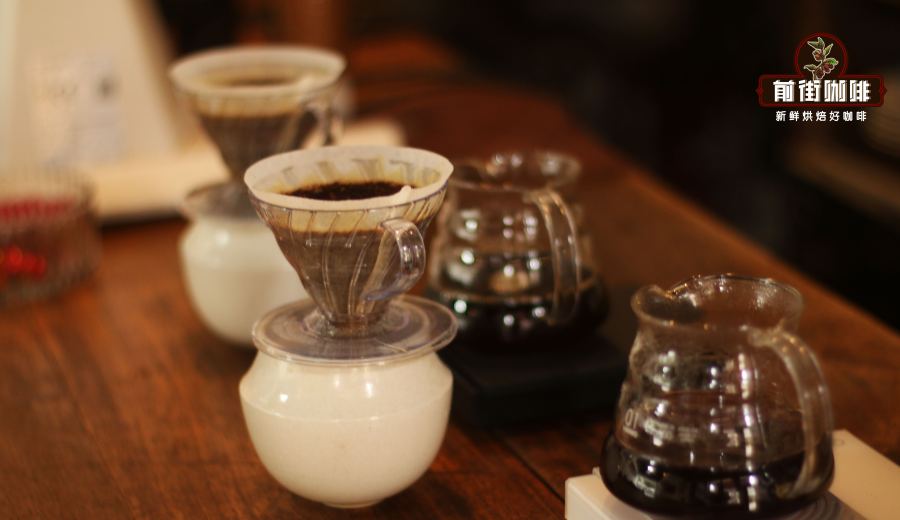
Introduction:Blooming is a crucial first step in the pour over process. It not only affects the efficiency of subsequent coffee extraction but also directly determines the flavor profile of the final cup. This article delves into the key role of blooming and provides a simple yet practical "digging a hole" technique to address the common issue of uneven coffee bed wetting among beginners—helping you steadily improve blooming uniformity and easily achieve a more complete and balanced coffee taste.
In manual coffee brewing, blooming is an indispensable foundational step. Performing this step well ensures smoother extraction and richer flavors afterward. Experimental comparisons show that coffee brewed with a blooming phase has a significantly higher extraction yield than coffee brewed without it, which explains why most professional brewing routines include blooming.
However, blooming is not as simple as just “pouring hot water and waiting for bubbles to appear.” The timing, water volume, and the evenness of moisture across the entire coffee bed all significantly impact the final flavor. Especially for beginners new to pour over, using a conical filter often leads to uneven wetting of certain areas of the coffee bed, resulting in inconsistent blooming and subsequently imbalanced extraction.
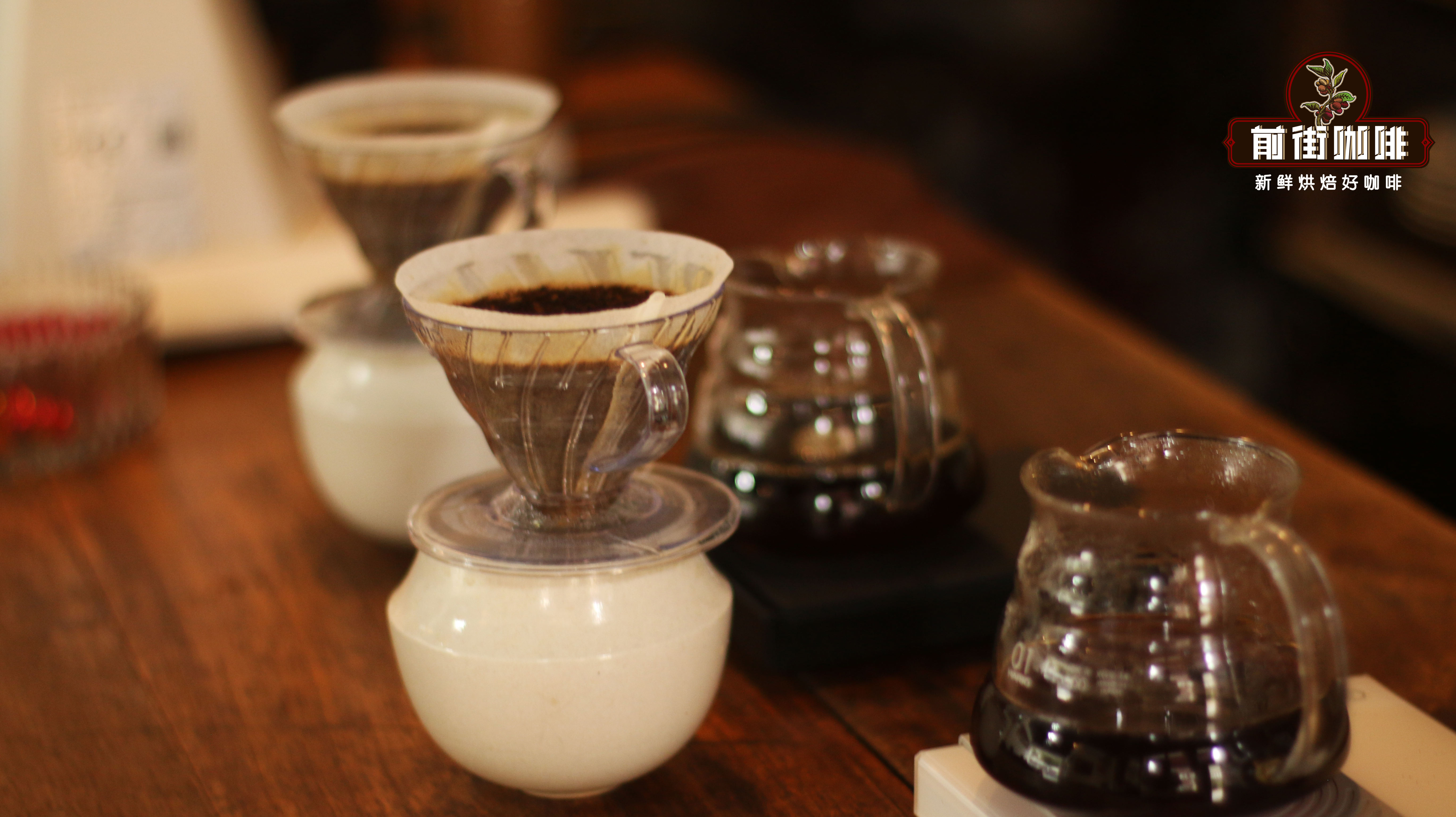
Why is blooming so critical? Before formal extraction begins, the coffee grounds need to absorb a certain amount of water to release internal carbon dioxide and prepare the internal flavor compounds. Proper blooming allows hot water to subsequently penetrate each coffee particle more evenly, extracting substances like aroma, acidity, sweetness, and body more efficiently. Conversely, if the coffee bed is insufficiently moistened or gas release is hindered during blooming, these valuable flavor elements may not be fully extracted.
So, how can you make blooming more effective? In addition to practicing pouring techniques to distribute water evenly, here’s a simple trick that even beginners can master: the "digging a hole" method. It effectively addresses the issue of thicker coffee beds in the center of conical filters, where water tends to flow too quickly, thereby improving overall gas release uniformity and ensuring blooming isn’t just a surface-level step.
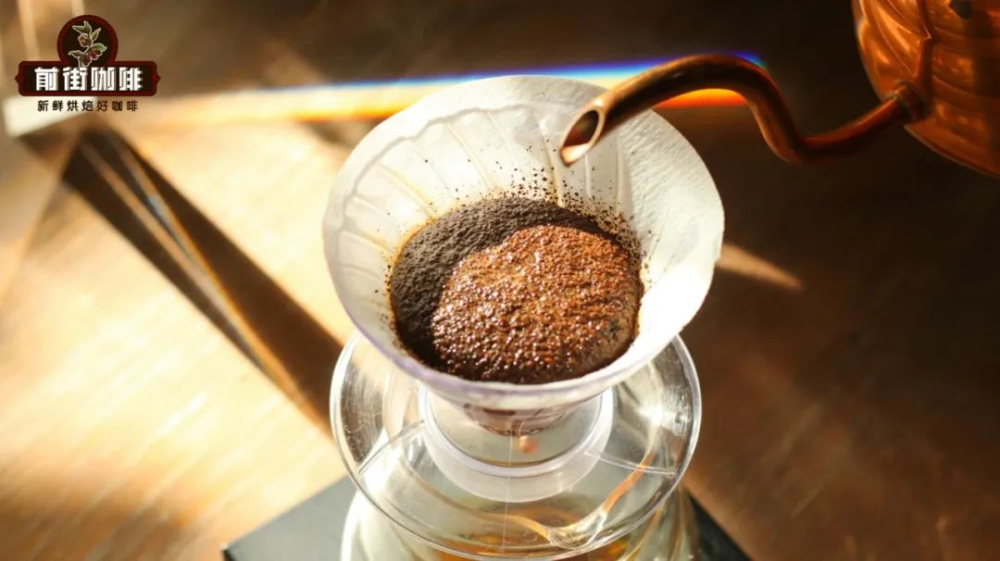
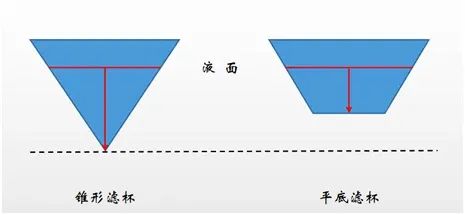
Due to their structural design, conical filters usually have a thicker coffee bed compared to flat-bottomed or other shaped filters—especially in the center. This often means that during the blooming phase, when water usage is relatively low, beginners with less control over pouring may only wet the outer layers, leaving the center still dry. This localized uneven wetting leads to inconsistent gas release, which can result in uneven or disconnected flavors during extraction.
The "digging a hole" method is designed to solve this very problem. By creating a small indentation in the center of the coffee bed, you reduce the thickness of the coffee layer in that area, shortening the distance hot water needs to travel to reach the bottom coffee particles. This allows the water to spread more evenly, avoids concentrating flow in one spot, and achieves more comprehensive wetting and gas release. This method is especially suitable for thicker coffee beds or when using a smaller amount of blooming water.
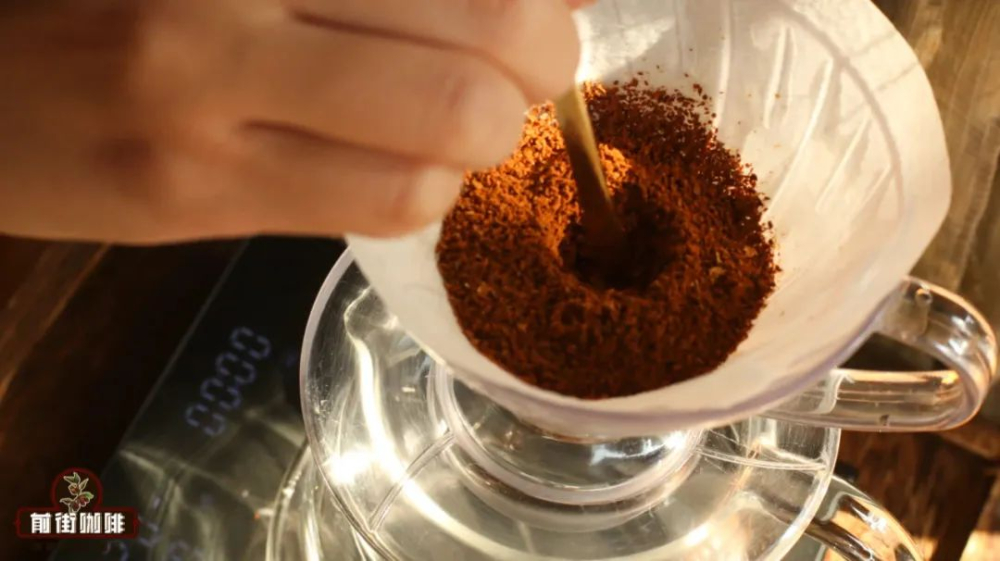
In practice, it’s very simple. All you need is a thin, pointed tool such as a toothpick, carving needle, stirring stick, or even a clean chopstick. Then, gently poke into the center of the coffee bed in the filter and create a hole about one-third the depth of the total coffee bed. The hole doesn’t need to be too deep—the key is to reduce resistance in the central coffee layer and guide the water to penetrate more smoothly downward.
When you start blooming, it’s recommended to initially focus the hot water on the small hole you made. Let the water slowly seep in and gradually overflow from the hole, then use a “mosquito coil” (spiral) motion to slowly extend the water outward around the hole to wet the entire coffee bed. This pouring sequence helps the water spread evenly while allowing the whole coffee bed to participate in gas release and initial extraction—thereby improving overall uniformity and extraction efficiency.
Of course, the "digging a hole" method isn’t universally applicable, and context matters. If your coffee bed is already relatively thin or you’re using a larger amount of blooming water, digging too deep may cause the water to bypass even distribution and go straight through the coffee bed into the server, affecting the stability of both blooming and subsequent extraction. Therefore, it’s best to use this technique only when the coffee bed is thick or the blooming water volume is limited, to truly optimize uniformity.
In summary, blooming is not only the first step in initiating coffee extraction but also a key factor influencing the overall flavor direction of the entire brew. By understanding its principles and appropriately applying practical techniques like the digging a hole method, even pour over beginners can gradually master methods for achieving even coffee bed wetting—and brew coffee with more balance and layered complexity.
The above content is compiled by CoffeeHunters, a coffee news website.


