







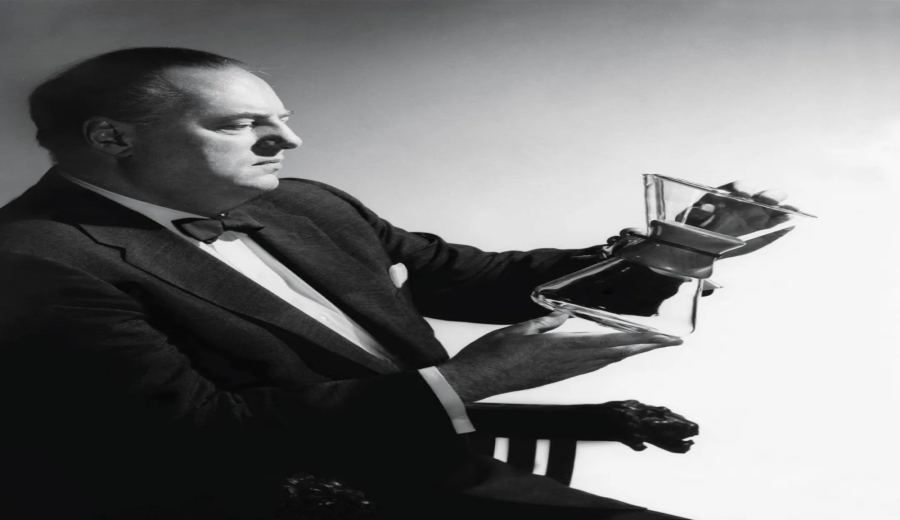
Introduction:The Chemex coffee maker is not just a brewing tool, but a classic design that blends science and aesthetics. Invented in 1941 by German chemist Peter J. Schlumbohm, this hourglass-shaped device draws inspiration from laboratory glassware and remains an icon of the third wave coffee movement to this day. This article delves into the design philosophy and cultural significance of the Chemex, while also providing detailed pour over steps and parameter recommendations to help you extract a richly layered cup of coffee with this classic brewer.
Among the many pour over coffee tools, the Chemex stands out with its iconic hourglass shape and minimalist, elegant design, making it a favorite among many coffee enthusiasts. Born in 1941, this design was created by German chemist Peter J. Schlumbohm, who ingeniously combined elements of the laboratory glass funnel and conical flask to produce a brewing tool that is both functional and full of design appeal. It is widely used in homes and specialty cafés, and has been embraced as a permanent collection piece by renowned institutions such as the Museum of Modern Art in New York and the Smithsonian Institution.
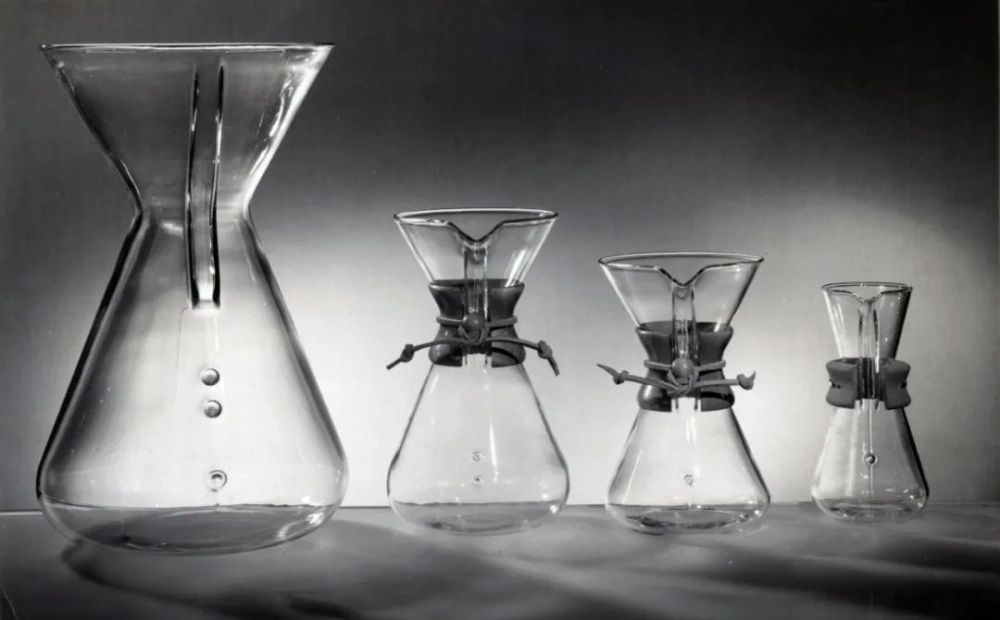
The story behind the birth of the Chemex actually hides the ingenuity of a chemist and his pursuit of quality of life. At the time, Peter Schlumbohm wanted to design a filtered coffee maker that was not only easy to operate and visually pleasing, but could also fully showcase the true flavors of the coffee itself. Drawing inspiration from the laboratory, he selected two common pieces of equipment — the glass funnel and conical flask — and innovatively modified them. Notably, he added an air vent specifically designed to release air in the funnel part to ensure smooth coffee extraction, and incorporated a “belly button” structure at the base to form a seamless hourglass shape once assembled — the very Chemex coffee maker we know today.
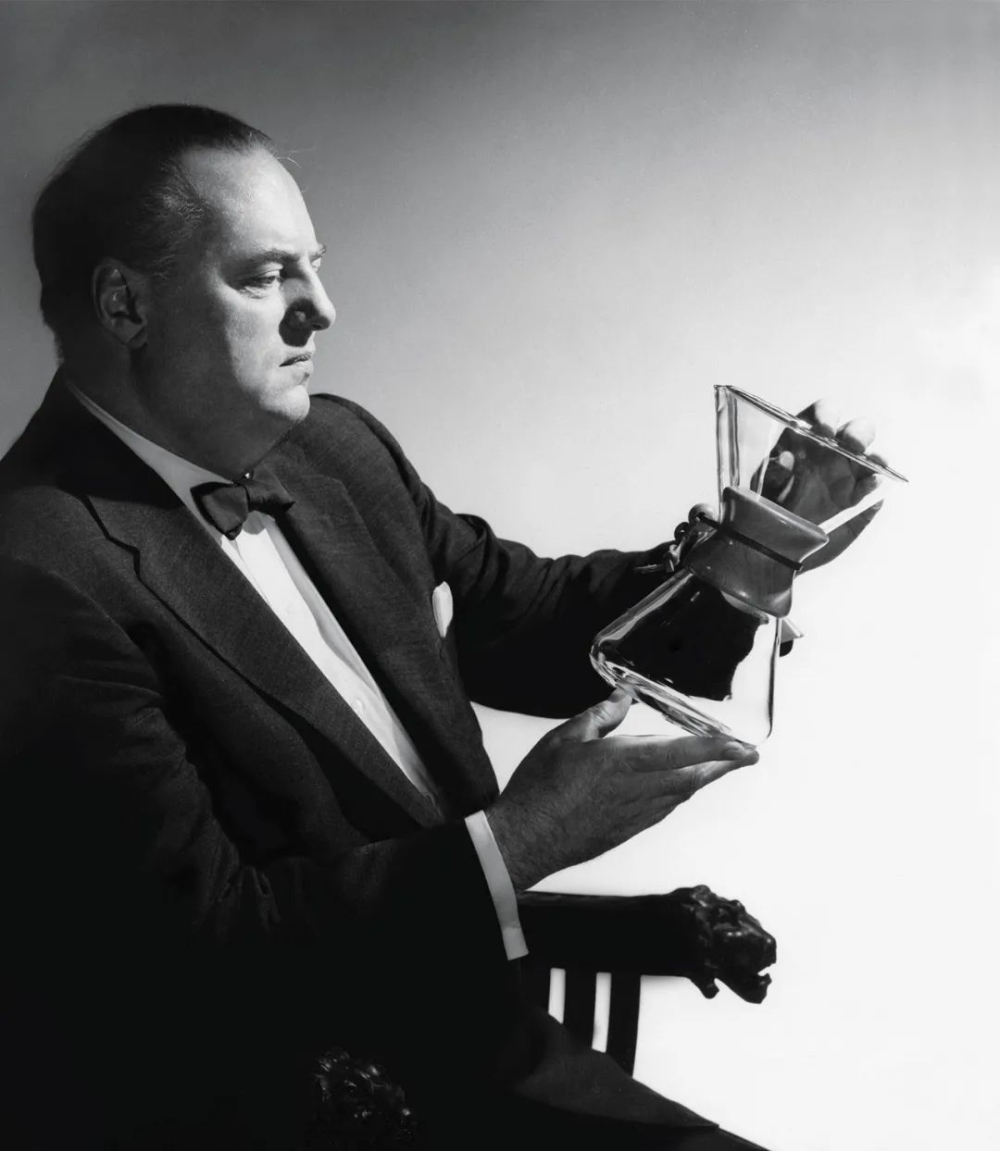
This design is not just a combination of function and beauty, but also excels in practicality. The Chemex has gained widespread popularity in households across Europe and America, and frequently appears in movie and TV drama scenes, becoming a symbol of taste and lifestyle. Since its debut in the 1940s, its timeless look and outstanding performance have made it one of the must-have brewing devices for coffee lovers.
If you’re also a fan of pour over coffee, why not try brewing with the Chemex yourself? Below is a practical and beginner-friendly pour over process to help you unlock the full potential of this tool. First, it’s recommended to use medium-fine coffee grounds, roughly similar in coarseness to white sugar — the grind size directly affects extraction time and flavor expression. A general recommended coffee-to-water ratio is between 1:15 and 1:16. For example, if using 30 grams of coffee, you’d pour approximately 450 to 480 milliliters of hot water, with the ideal water temperature being between 90 to 96°C.
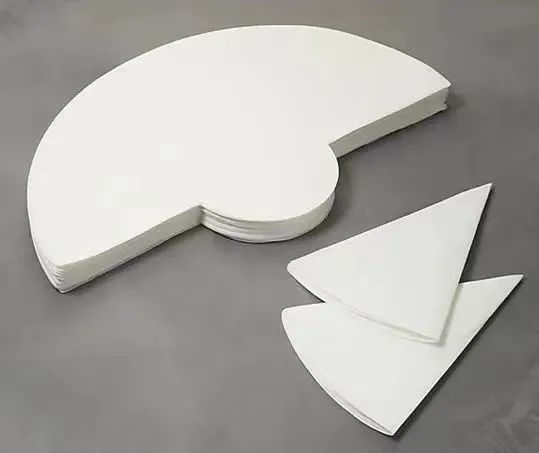
Before you begin brewing, remember to preheat the Chemex carafe and filter paper with a small amount of hot water. This helps maintain the coffee’s temperature and also removes any potential odors from the filter. Fold the filter paper and place it into the Chemex filter cone, then pour a small amount of hot water to wet the paper and gently discard the preheating water. Next, add the ground coffee into the filter, gently shake to level the surface, ensuring the coffee bed is evenly distributed.

When starting the brew, it’s recommended to pour in a centered, slow-expanding spiral motion. Begin by pouring a small amount of hot water (approximately twice the weight of the coffee, e.g., 60 ml for 30 grams of coffee) to allow for a 30-second bloom period, which helps release the coffee’s aroma and carbon dioxide. Then continue pouring with a steady stream, spiraling from the inside out and then from the outside in, maintaining a consistent flow and avoiding direct impact on the edge of the filter to ensure even extraction. The total brew time is ideally between 3 minutes 30 seconds and 4 minutes 30 seconds — too fast or too slow can affect the balance of flavors.
Once all the hot water has been poured, wait for the coffee to completely drip into the carafe, usually taking around 30 seconds to 1 minute. You can then pour the coffee from the Chemex and enjoy a pure, clean cup that results from the perfect marriage of science and design. Note that due to the thicker filter paper used in the Chemex, it effectively filters out coffee oils, resulting in a typically brighter, cleaner cup with pronounced acidity and sweetness — making it ideal for those who prefer a well-defined, crisp flavor profile.
In addition to proper grind size and pouring technique, choosing the right coffee beans is also a key factor influencing the final flavor. It is recommended to select beans roasted to a light-medium to medium level, as these often possess a rich fruit acidity and aroma that complements the filtering characteristics of the Chemex. If you’re new to the Chemex, you might want to start with light to medium roast beans from well-known origins like Ethiopia or Colombia — these beans often showcase bright flavor notes such as floral, citrus, or berry.
In summary, the Chemex is more than just a brewing tool — it is a representation of life aesthetics. From its design inspiration to actual use, you can feel the passion that scientists have for coffee and life. Whether you’re a coffee novice or a seasoned enthusiast, as long as you master the correct brewing parameters and techniques, you can use this classic device to brew an amazing cup of coffee. With the right beans and careful attention to each step, you can enjoy a professional-level pour over experience right at home.
The above content is compiled by CoffeeHunters, a coffee news website.


