







Introduction:Due to their convenience, drip bags have become the go-to choice for many busy individuals seeking the flavor of freshly ground coffee. But have you ever wondered if drip bags can be steeped directly in a cup like tea bags? Can multiple brews still yield good flavor? This article delves into the essence of drip bags, the correct brewing methods, the optimal number of brews, and supplements practical parameters and common misconceptions to help you master key techniques and fully unlock the potential of your coffee.
In today’s fast-paced life, many coffee enthusiasts may love the layered complexity of specialty pour over coffee but often shy away due to the complexity of equipment and technical barriers. Drip bags thus become an ideal alternative for office workers and travelers—just add hot water and a cup, and you can enjoy a near-pour over coffee experience anytime, anywhere.
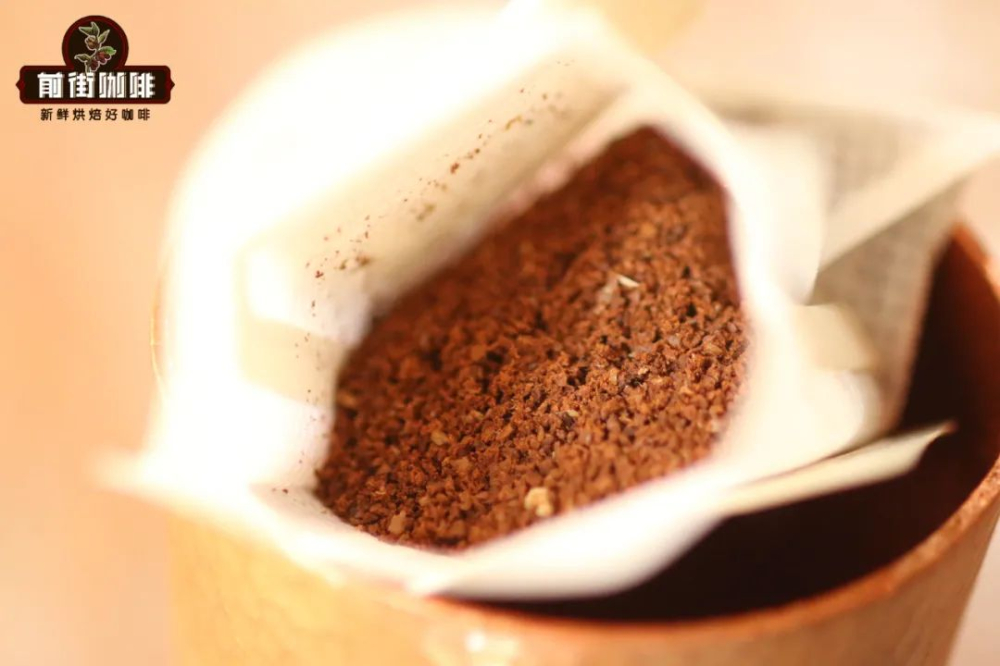
So-called drip bags are essentially made by grinding selected coffee beans into powder, then packing them into a filter bag with two “ears” on the sides for hanging, and sealing them for preservation. This design is inspired by the principles of pour over brewing, allowing users to easily hang the bag on the rim of a cup and pour hot water directly to extract the essence of the coffee.
Can drip bags be steeped directly in a cup like tea bags? The answer is no. The correct method is to hang the two “ears” of the drip bag on the rim of the cup so that the filter bag is suspended, then pour hot water in stages. This ensures the coffee grounds are evenly saturated, avoids over-steeping or heat loss, and thereby preserves flavor. It is recommended to use hot water at around 90 to 96°C for optimal extraction.
So, can drip coffee be brewed more than once? Generally speaking, since only about 30% of the total weight of coffee beans consists of extractable substances, most of the flavor and acidic-sweet compounds are already released after the first brew. Adding more water for a second brew not only results in a weak taste but may also release bitter and astringent off-flavors due to over-extraction. It is professionally recommended to use a coffee-to-water ratio of 1:14 to 1:18, with a single brew being optimal—this maintains flavor quality and avoids health risks.
The specific brewing steps are actually very simple: first, tear open the drip bag packaging, take out the filter bag, and open the folded part according to the package instructions, then hang the two ears on the edge of the cup. It is recommended to use about 10 grams of coffee per bag. For the first pour, start with a small amount of hot water (about 20–30 ml) to evenly wet all the coffee grounds, then let it bloom for 10 to 20 seconds to awaken the aromas. Next, pour water in two to three batches until the cup is about eight-tenths full, allowing the coffee to slowly drip through. The entire process is best completed within 2 to 3 minutes.
When choosing drip bags, besides paying attention to flavor descriptions such as “bright acidity” or “caramel finish,” you should also check the production information on the packaging. Freshness is a crucial factor affecting flavor—it is recommended to choose products roasted within the last two months for the best flavor experience. In addition, clear information on origin, variety, roast level, and processing method helps you understand the coffee’s characteristics and pick your personal favorites.
The biggest advantage of drip bags is that they combine convenience with quality. Compared to instant coffee, they contain no artificial additives and can showcase diverse regional and processing flavors. Compared to traditional pour over brewing, they eliminate the need for a grinder, filter dripper, thermometer, and other equipment, greatly lowering the barrier to entry and time cost—making them the ideal choice for urban dwellers who value efficiency without compromising on flavor.
There are also some common misconceptions to be aware of when using drip bags. First, avoid directly dropping the drip bag into a cup to steep—it will not only under-extract due to cooler water temperature but also release off-flavors from prolonged steeping. Second, do not let the coffee grounds continue soaking after brewing, as this leads to over-extraction and a bitter taste. Lastly, re-brewing is not feasible because the soluble flavor compounds have largely been extracted in the first brew—adding more water only dilutes the taste and does not enhance flavor.
In summary, drip bags are a form of coffee that closely mimics the experience of freshly ground pour over brewing but with greater convenience. As long as you master the correct brewing method, appropriate coffee-to-water ratio, and suitable number of brews, you can easily enjoy a cup of coffee with full flavor and distinct layers—whether at home, in the office, or on the go—and embark on your own coffee exploration journey.
The above content is compiled by CoffeeHunters, a coffee news website.


