







Introduction:Geisha coffee is renowned for its delicate floral and fruity aromas and bright acidity, but is it really too acidic? Why is it so expensive? This article starts with the origin of Geisha in Ethiopia and explores its transformation at Panama’s Hacienda Esmeralda, analyzes the differences between the two major grades—Red Label and Green Label—and provides practical medium-light roasted V60 pour over settings to help you deeply understand how this top-tier coffee achieves the perfect balance of mango, rose, and jasmine.
Geisha coffee, with its unique elegant floral notes and clear, bright fruity acidity, is considered one of the finest in specialty coffee. Many coffee enthusiasts trying Geisha for the first time wonder if its acidity is overly intense or which origin produces the most representative Geisha. This article begins with the birthplace of Geisha—the Kaffa forests of Ethiopia—and traces its journey to Panama’s Hacienda Esmeralda, where it has achieved its globally acclaimed premium coffee status.
In 1931, researchers discovered this variety in Ethiopia’s southern Kaffa Forest, initially naming it after the nearby Geisha Mountain. Over the following decades, it was introduced to Kenya, Uganda, and Tanzania, but due to its fragile plants and extremely low yield, it remained largely overlooked. By 1953, when this variety—numbered T2722—arrived at CATIE research center in Costa Rica, it still hadn’t made a significant impact.
It wasn’t until the 1960s, when CATIE brought the T2722 variety to Panama, that Geisha began to find an environment suited to its growth. In the 1990s, Daniel Peterson, owner of Hacienda Esmeralda, noticed that in high-altitude, foggy conditions, not only was Geisha resistant to leaf rust, but it also exhibited unique flavor potential. They subsequently planted Geisha in even higher altitude sections, gradually cultivating what would become a variety that would shake the coffee world.
In 2003, Hacienda Esmeralda held its first internal cupping session and discovered that Geisha possessed intense white floral aromas, clear acidity, and lingering berry and citrus notes. These qualities shone brightly in the following year’s Best of Panama (BOP) competition. Officially named “Geisha,” it quickly became the focus of the global specialty coffee scene.
Many people are amazed the first time they taste Geisha, as its flower-and-fruit-tea-like flavor profile completely overturns their impression of traditional black coffee. It combines multi-layered aromas of mango, rose, and jasmine, with a refreshing yet complex mouthfeel, achieving an excellent balance between acidity and sweetness. This unique sensory experience is a key reason why Geisha is hailed as the “pinnacle of the coffee world.”
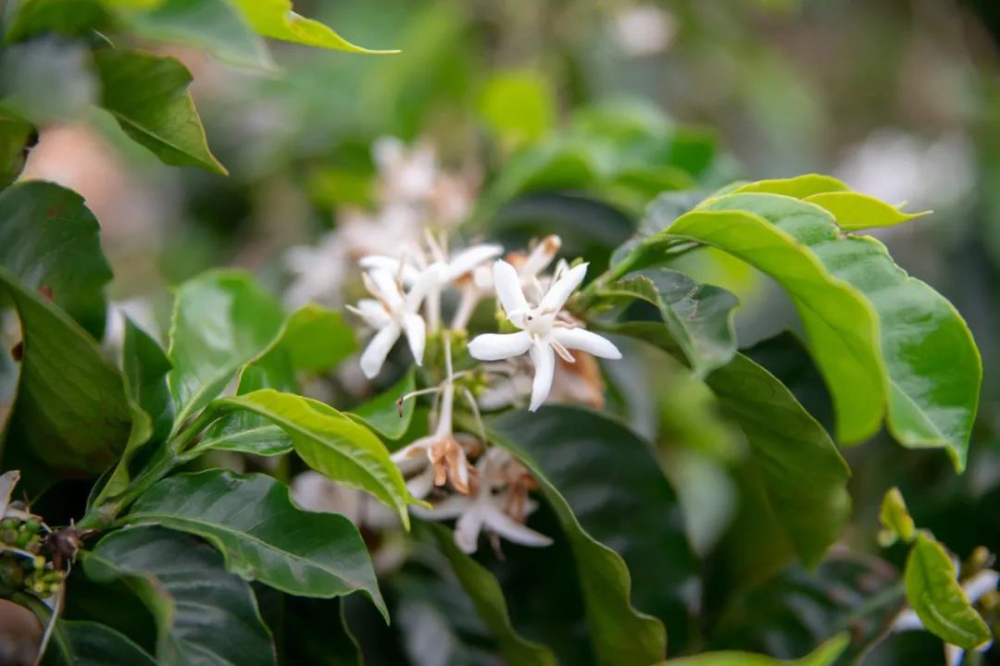
The high price of Geisha from Hacienda Esmeralda is not only due to its rare varietal genetics but also closely related to its stringent growing conditions.Geisha coffee trees are extremely particular about their environment, requiring high altitudes (typically above 1600–1800 meters), foggy conditions, and fertile soil.Their leaves are thinner, resulting in lower photosynthetic efficiency, and their root systems are fragile, leading to yields less than half that of common varieties such as Caturra—making each Geisha coffee bean incredibly precious.
Panama’s total annual coffee production is around 10,000 metric tons, while Hacienda Esmeralda produces only about 150 bags of green beans (approximately 9,000 kg) annually, of which Geisha accounts for about 3%, or roughly 270 kg. With rising market demand and media hype, the rarity and high price of Geisha have naturally become the norm.
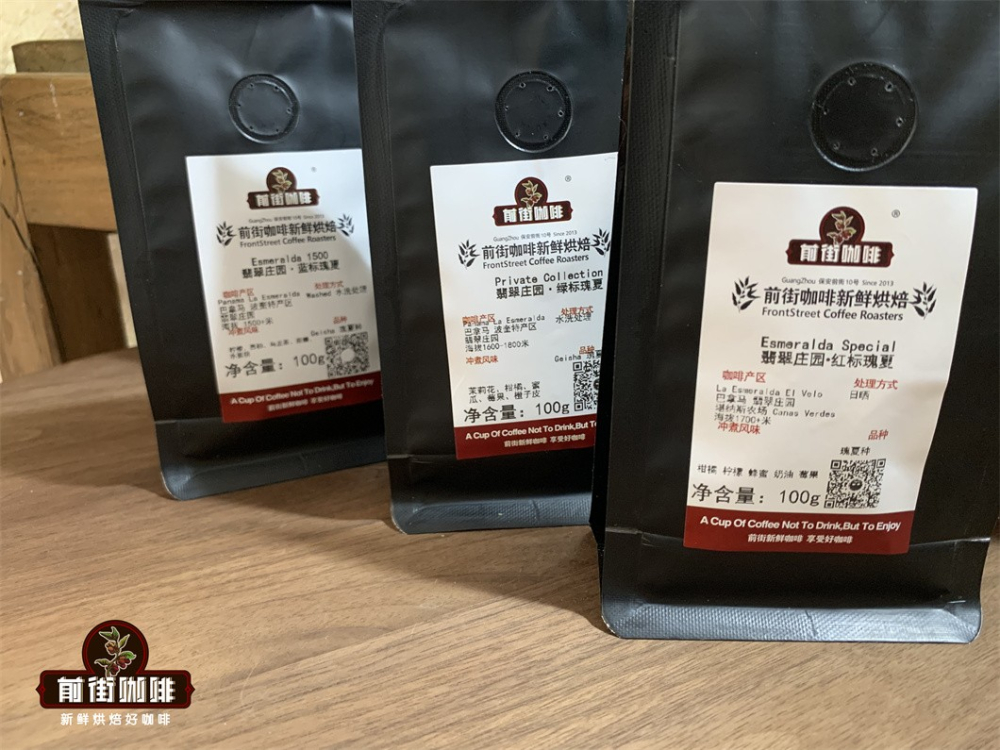
Among Hacienda Esmeralda’s product lines, the most well-known are the “Red Label” and “Green Label” grades. The Red Label represents the highest grade, ESMERALDA SPECIAL, often found in auction lots, sourced from specific high-altitude plots such as the Mario plot at Jaramillo Farm, with cupping scores frequently exceeding 90 points, and using the natural processing method to preserve the richest floral and fruity flavors. The Green Label is the PRIVATE COLLECTION grade, which does not participate in auctions but still offers clear notes of lemon, berries, and Tieguanyin tea-like freshness, mostly washed processed, showcasing the clean flavors of classic high-altitude Geisha.
For medium-light roasted Geisha, it is recommended to use a V60 filter cone with a three-stage extraction to fully highlight its delicate acidity and layered aromas. The specific parameters are as follows: water temperature controlled at91-92°C,15 grams of coffee grounds,a coffee-to-water ratio of 1:16, total water volume240 grams, and grind size approximatelythe size of fine sugar (80% passing through a #20 sieve).
In terms of steps, first place the coffee grounds into the filter cone, perform a 30-second bloom by pouring 30 grams of water, using a small stream in a circular motion from the center outward; then in the second stage, pour 120 grams of water with a slightly larger stream over about 55 seconds to allow the coffee bed to expand evenly; finally, in the third stage, use a small stream to pour the remaining 90 grams of water, slowly reaching the total of 240 grams, with a total extraction time of about 2 minutes and 10 seconds. This extraction method effectively brings out the fruit and floral notes of Geisha while avoiding over-extraction that can lead to astringency.
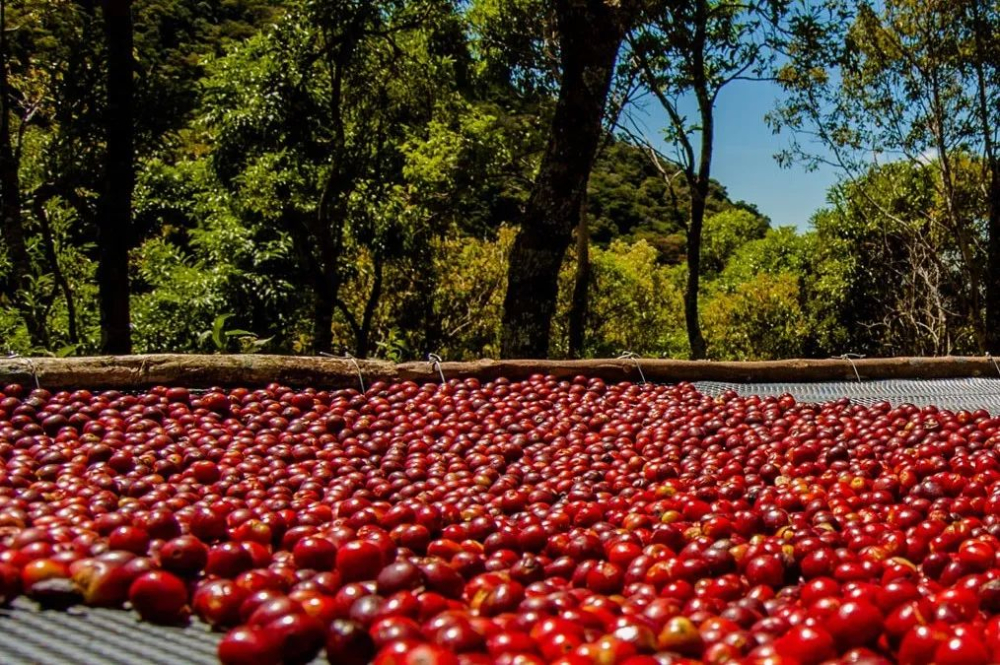
The Red Label Geisha exudes a rich rose aroma upon grinding, with bright tropical fruit flavors such as mango upon tasting, and a silky-smooth mouthfeel, making the overall experience more like savoring an exquisite flower-and-fruit tea. The Green Label, on the other hand, showcases a fresher lemon and berry acidity with distinct jasmine floral notes, and a subtle green tea finish, making it suitable for those who prefer a cleaner, more refreshing style.
Whether Red Label or Green Label, Geisha coffee represents the pinnacle of top-tier coffee. From the terroir of its origin and varietal characteristics, to post-harvest processing and brewing methods, every step influences the final flavor profile. Understanding these details will help you better appreciate this cup of high-mountain coffee art from Panama.
The above content is compiled by CoffeeHunters, a coffee news website.


