







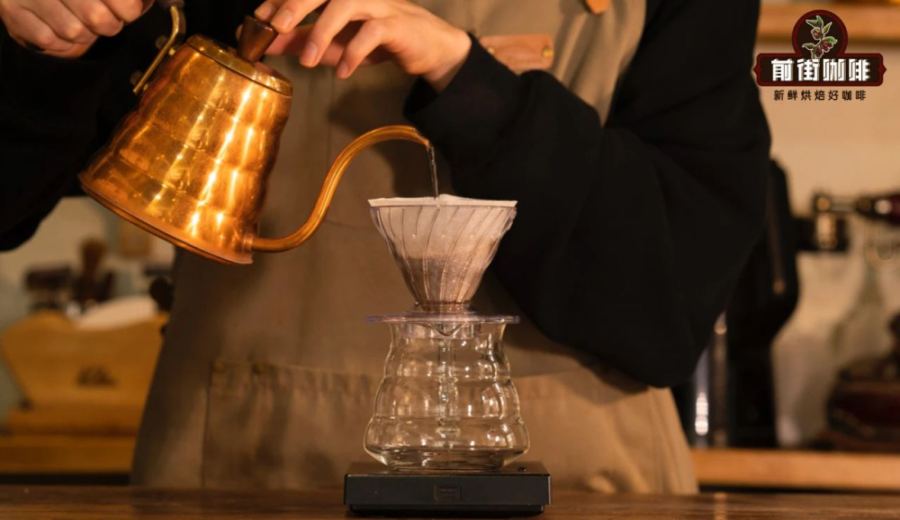
Introduction:Among the pouring techniques in pour over coffee, water flow strength and swirling speed are key details that influence flavor expression. This article explores how these two variables—flow rate and swirl pace—affect coffee bed condition, extraction efficiency, and final mouthfeel. Through a practical brewing comparison using 15 grams of coffee and a 1:15 coffee-to-water ratio, we’ll show you the real differences between slow small pours and fast large pours, and help you grasp the direction for adjustments.
During the pour over process, many beginners often focus on selecting coffee beans and grind size, yet overlook the control of water flow and the rhythm of swirling during pouring. These two factors, however, have a significant impact on the final flavor. Specifically, the speed of the water flow and the rate of swirling directly influence coffee bed distribution, contact time between water and coffee grounds, and extraction uniformity—further shaping the resulting concentration and flavor profile.
In simple terms, when using a smaller water flow, the water level doesn’t rise quickly, allowing the coffee bed to maintain a thicker state. This prolongs the time it takes for water to pass through the coffee grounds, slightly extending the overall extraction time. The result is a higher concentration and often a fuller, rounder mouthfeel. In contrast, using a larger water flow causes the liquid level to rise rapidly, thinning the coffee bed and enabling water to pass through quickly. This not only shortens the brewing time but also produces a cleaner, more linear flavor—though sometimes at the cost of seeming thin or flat.
<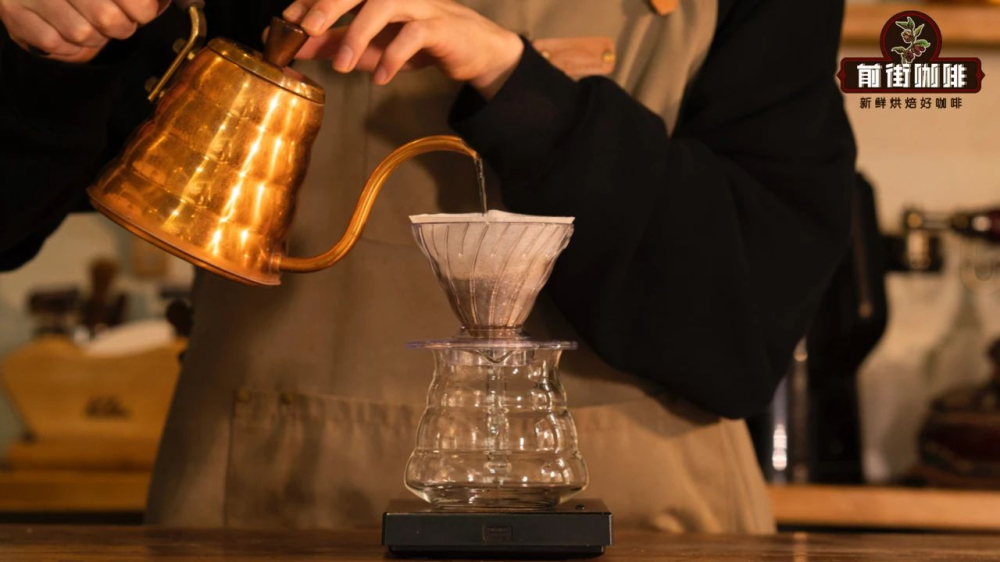 Not only is water flow size important, but swirling speed is equally crucial. A faster swirl means increased movement frequency of water across the coffee bed, enhancing agitation and rinsing force, which can boost extraction yield. Conversely, a slower swirl results in weaker rinsing, potentially leading to under-extraction in certain areas. Combining these two variables offers multiple possibilities, among which “small flow with slow swirl” and “large flow with fast swirl” are two highly representative contrasting scenarios.
To better understand the actual effects of these two pouring methods, this experiment used 15 grams of coffee grounds, brewed with a 1:15 coffee-to-water ratio using the pour over method. Water temperature was controlled at 91°C, and the grind size was set to fine (approximately 80% passing through a #20 sieve). Two techniques were applied: “small flow with slow swirl” and “large flow with fast swirl,” observing the differences in concentration and flavor expression.
In the “small flow with slow swirl” practice, 30 grams of water were used for a 30-second bloom. Then, at an average pouring rate of 4 grams per second and a swirling rhythm of about once every 4 seconds, water was poured from the center outward and back to the center. When the total poured volume reached 125 grams, pouring paused to allow the coffee bed to settle to about half its height. Pouring then continued in the same manner until reaching 225 grams. Finally, after all the coffee had dripped through, the filter was removed. The total brewing time was approximately 2 minutes.<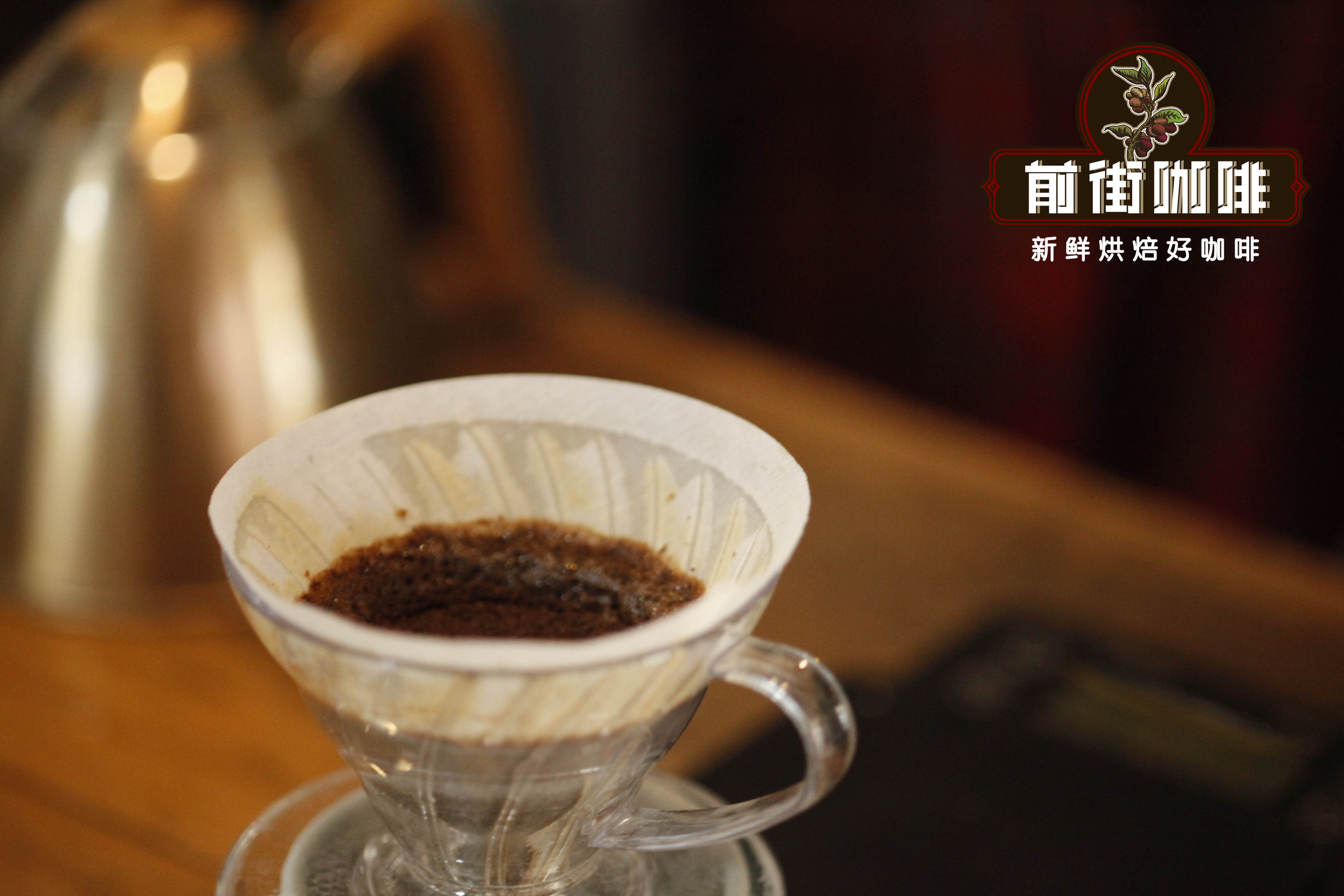
For the “large flow with fast swirl” method, 30 grams of water were also used for a 30-second bloom. Then, with a higher pouring rate of 6 grams per second and a faster swirling rhythm of about once per second, water was poured along the same center-outward path. Similarly, the total volume was poured in two stages: 125 grams and then 225 grams. Brewing concluded after all the coffee had completely dripped through the filter. This method took only about 1 minute and 40 seconds in total.
Based on the actual measured data and tasting experience, the coffee brewed with “small flow and slow swirl” had a final concentration of 1.37%. The flavor profile prominently featured strawberry aroma, accompanied by a rich, jammy sweetness. The mouthfeel was silky and creamy, with a lingering finish reminiscent of liqueur-filled chocolate, delivering a complex and intense flavor layering. In contrast, the coffee made with “large flow and fast swirl” had a concentration of 1.28%, with a cleaner, more refreshing flavor. It exhibited mild fermentation notes, softer berry sweetness, and a finish with a fresh black tea-like character. The overall mouthfeel leaned toward lightness and linearity.
<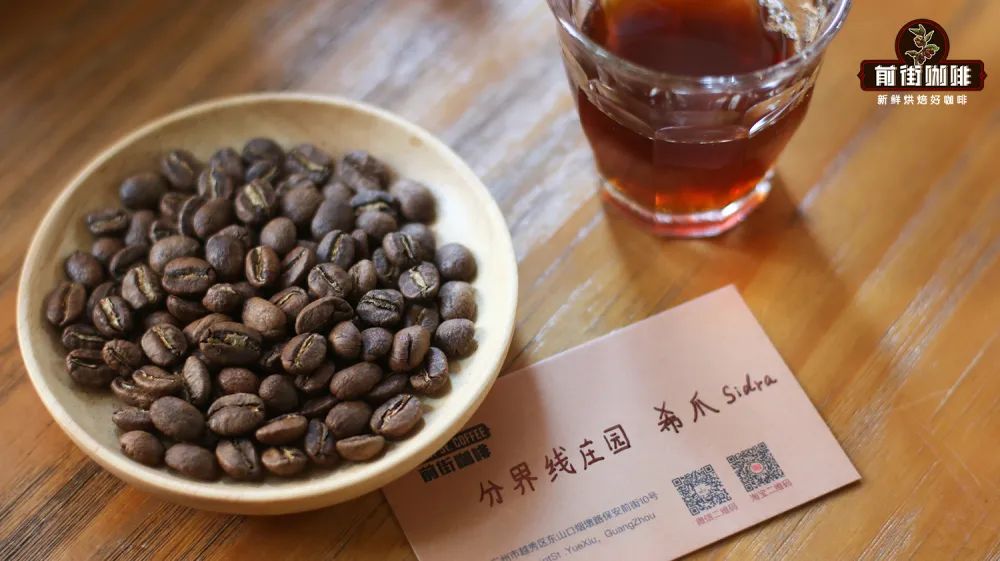 From this experiment, we can conclude that the small flow combined with slow swirl approach aligns more closely with an immersion-style extraction logic. It allows for longer contact time between water and coffee grounds, helping to extract deeper and more complex flavors—making it suitable for those who prefer a fuller-bodied cup. On the other hand, the large flow and fast swirl method is closer to a forceful flushing extraction. While it completes extraction more quickly, the high water pressure and short duration may lead to uneven or insufficient extraction if the coffee grind is too coarse. Adjusting the grind size as needed is recommended to achieve a better extraction balance.
In summary, pour over pouring technique is far more than simply “pouring water in.” It requires simultaneous consideration of water flow intensity, swirling speed, coffee bed condition, and timing. By understanding how these variables interact, you can more precisely adjust your brewing method according to the characteristics of the coffee beans and your personal taste preferences—thereby enhancing the quality and flavor expression of every cup of pour over coffee.
The above content is compiled by CoffeeHunters, a coffee news website.


