







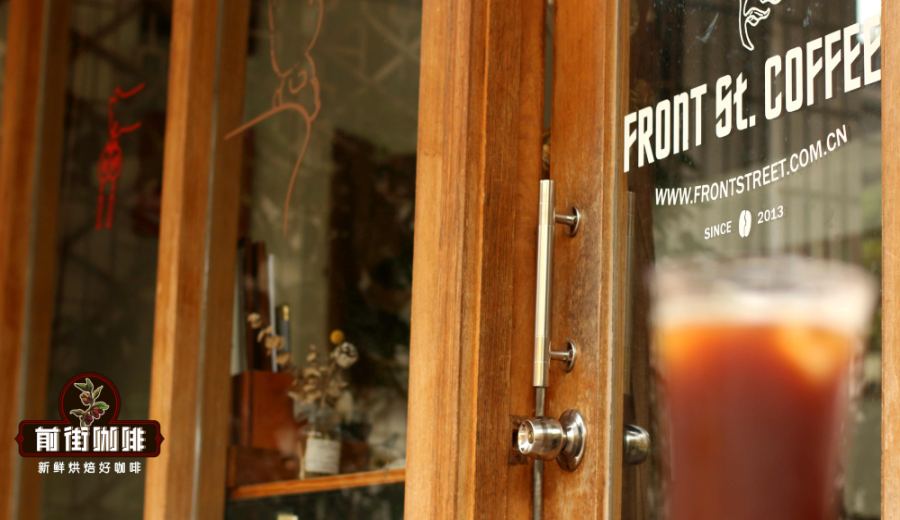
Introduction:Have you noticed that Americano coffee today is no longer just about intense, bitter roastiness? Instead, it often features refreshing fruity acidity. This shift actually reflects evolving flavor trends in the coffee market and advancements in roasting techniques. This article delves into why Americanos have become more acidic, analyzes the differences between various roasting styles, and explains why SOE (Single Origin Espresso) Americanos can highlight fruity acidity—helping you find the coffee that suits your taste best.
In many people’s minds, Americano coffee has long been synonymous with strong, bitter roastiness. This flavor wakes you up quickly, making it a popular choice for office workers needing a caffeine boost. However, in recent years, many have found that the Americanos they order at coffee shops often exhibit distinct fruity acidity and floral notes. This change has left many both surprised and puzzled. In fact, this acidity isn’t due to spoilage but rather the result of changes in coffee roasting and flavor trends.
The reason Americano coffee has become more acidic lies in the shift in modern roasting styles. In the past, the Italian school of roasting, which dominated the scene, typically roasted coffee beans to an extremely dark level—known as "Italian roast." This method usually involved taking the beans out after the second crack, resulting in a nearly black bean surface, rich oils, and a brew that was bold and bitter. Such beans were commonly used to make traditional Americanos, emphasizing richness and an energizing effect.
If you prefer an Americano with a strong, bitter profile, it’s recommended to choose blends specifically designed for espresso. These beans are usually carefully crafted not only for stable extraction but also to adapt to various brewing methods, such as home semi-automatic espresso machines, moka pots, or French presses. These blends are very common in the market and suit consumers who seek consistent flavor and mass appeal.
With the rise of specialty coffee culture, the Nordic roasting style has gradually gained attention. Nordic roasters tend to finish roasting just after the first crack—a method known as "Nordic light roast." Although called "light," this approach was quite bold at a time when deep roasting was the global norm. By today’s standards, this roast level is closer to medium, but compared to traditional Italian dark roasts, it clearly preserves more of the beans’ inherent characteristics, making acidity and sweetness more prominent while significantly reducing bitterness.
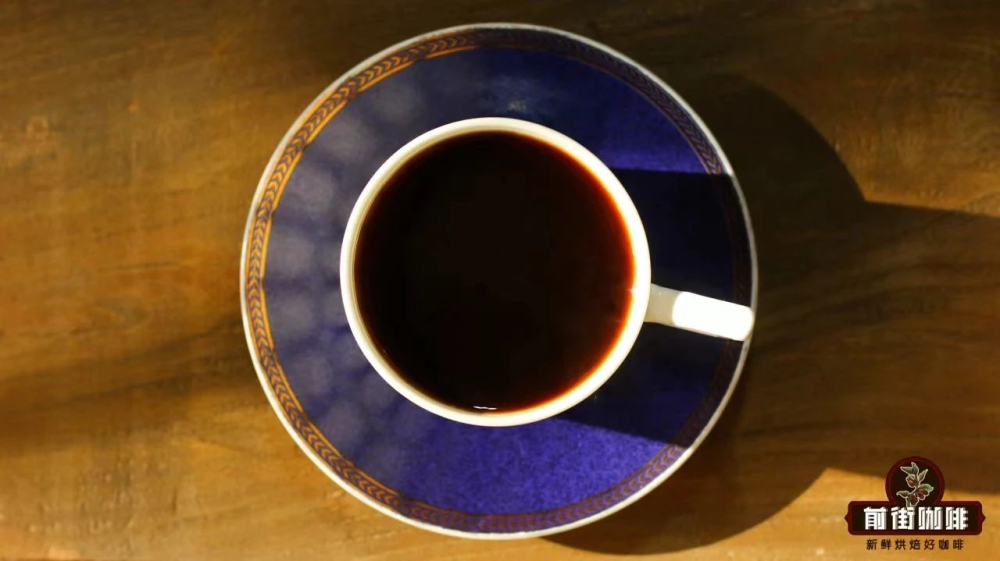 It’s worth noting that this Nordic-style roasting technique has also influenced the choices of many specialty coffee shops since. With a lighter roast, fruity and floral flavor notes in coffee become more pronounced, which explains why acidity has become a favored flavor element in modern Americanos.
In recent years, SOE (Single Origin Espresso) Americanos, which have garnered much attention, take this acidic character to the extreme. SOE refers to using single-origin coffee beans to make espresso, aiming to fully showcase the unique flavors of beans from that specific origin. Common choices include Yirgacheffe and Colombia Finca El Paraiso Strawberry—varieties that inherently possess distinct floral and fruity profiles, thus better highlighting sweet and acidic notes. In contrast, beans like Brazil, Blue Mountain, or Mandheling, which have more neutral or full-bodied flavors, often fail to deliver enough differentiation when used for SOE.
In terms of roasting, SOEs are typically roasted to a lighter degree to preserve the beans’ original traits. This approach results in an Americano that often features bright fruity acidity and fresh aromas, forming a striking contrast to the traditional bitter-tasting Americano. If you enjoy clean, floral-and-fruity-toned coffee, SOE Americano is definitely worth a try.
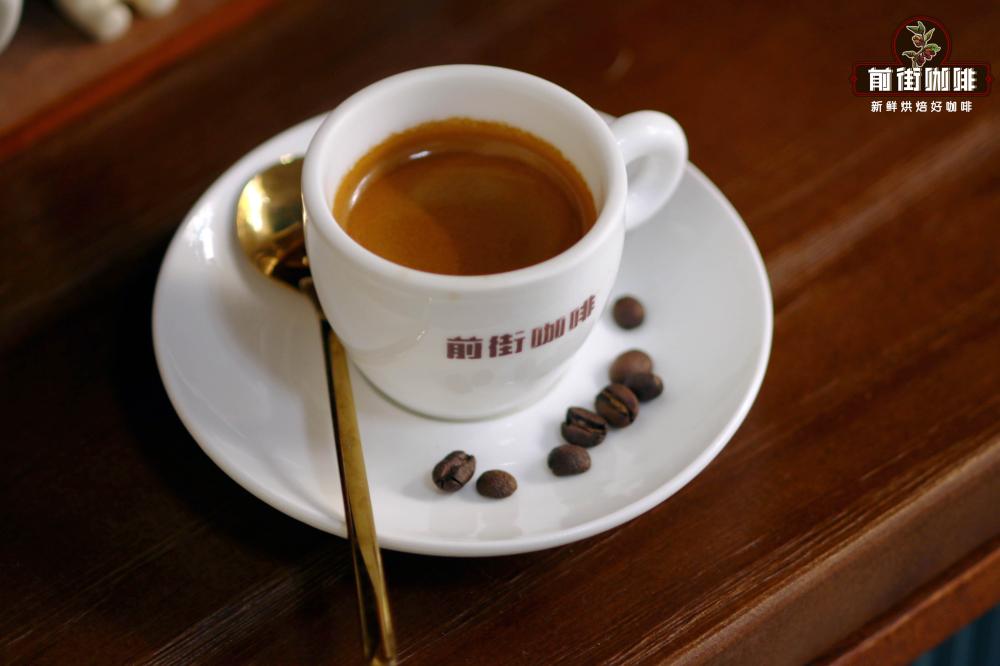 In summary, the trend of acidic Americano coffee is actually the combined result of advances in roasting technology and shifts in consumer preferences. From traditional Italian dark roasts, to Nordic light roasts, to today’s SOE single-origin style, each roasting method offers a distinctly different flavor experience. Whether you prefer bold bitterness or a refreshing fruity acidity, the modern market offers a more diverse range of options to meet your needs.
The above content is compiled by CoffeeHunters, a coffee news website.


