








Introduction:Want to enjoy a smooth and non-bitter cold brew coffee on a hot summer day? Cold brew coffee is extracted using cold water over an extended period of time, which not only reduces acidity and bitterness but also delivers a smoother taste and longer shelf life. This article will detail the home brewing process for cold brew coffee, including the optimal coffee-to-water ratio, suitable coffee bean types, steeping duration, and filtration techniques, helping you easily master this beloved iced coffee preparation method.
On a scorching summer day, a refreshing glass of cold brew coffee is undoubtedly the perfect choice for beating the heat. Compared to common iced Americanos or iced pour overs, cold brew coffee uses cold water and low-temperature extraction throughout the entire process. Although it takes longer, this method effectively reduces bitterness and sharp acidity, delivering a smoother and sweeter taste experience. This article will guide you step-by-step through making cold brew coffee at home and share key tips on coffee-to-water ratios, steeping times, and filtration techniques so you can brew satisfying cold brew coffee with ease.
What makes cold brew coffee truly unique is its low-temperature extraction characteristic. Unlike traditional hot water brewing, cold brew is entirely carried out in a cold environment. Although the extraction efficiency is lower, it can more precisely extract aromatic compounds from the coffee, especially those small molecular substances that carry fruity and floral notes, while avoiding the release of excessive bitter large molecules. This results in a rich yet smooth flavor profile.

Besides its captivating taste, cold brew coffee has several practical advantages. First, because it’s not subjected to high temperatures, its flavor compounds are less likely to dissipate quickly over time. If stored properly, cold brew coffee can maintain its flavor stability in the refrigerator for about two weeks, and some may even develop deeper richness through fermentation. It is generally recommended to refrigerate the finished cold brew for 1 to 3 days before drinking to achieve a more layered flavor profile. Additionally, cold brew coffee is less stimulating, making it a gentler option for those with more sensitive stomachs compared to regular hot-brewed coffee.
The recommended coffee-to-water ratio is set at 1:10, meaning 10 grams of coffee grounds for every 100 milliliters of cold water. This ratio helps fully extract the aromatic compounds in the coffee while avoiding over-concentration. Since coffee grounds absorb a certain amount of water during the cold brew process, the final yield of extracted liquid may be slightly less than expected, so it’s advisable to brew a larger batch for everyday enjoyment.
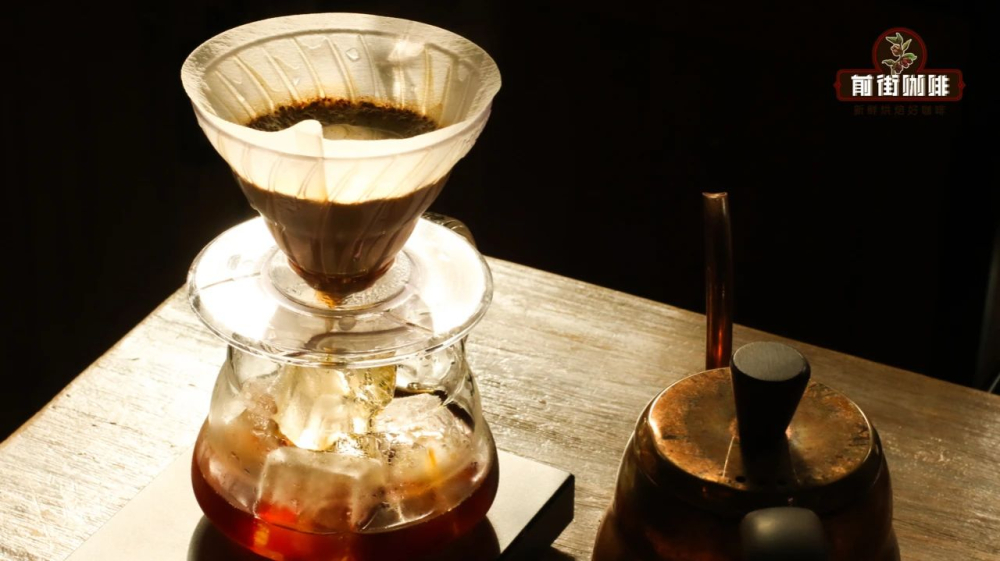
Many coffee enthusiasts often wonder: are only beans from specific regions suitable for cold brew? In fact, almost all regional and flavor-profile beans can be used for cold brew, with only slight differences in flavor expression. For example, beans from Africa often feature bright fruit acids and floral-fruity aromas, making them ideal for those who prefer a refreshing taste; whereas coffee beans from Central and South America typically exhibit nutty, chocolatey, or caramel notes, offering a richer and more robust cold brew flavor.
The preparation is very simple—just use two packs of fresh drip bags to get started. The drip bag format not only eliminates the need for a grinder but also ensures even extraction of the coffee grounds. It is recommended to choose medium-coarse ground coffee, similar to that used for pour over, which helps effectively control the extraction rate and flavor balance in a low-temperature environment. Pour the coffee grounds from the drip bags into a prepared glass or plastic container. Do not discard the drip bag filters just yet—they will be used later for filtration.
Next, pour in an ice water mixture. The temperature of the water directly affects the final extracted flavor. It’s recommended to use cold water close to 4°C. If using room temperature or warmer water, the resulting flavor may become bland or develop unwanted off-notes. Stir well to ensure every coffee ground is fully saturated with water, then seal the container and place it in the refrigerator to steep for at least 12 hours. This steeping period is crucial for developing the flavor of your cold brew. Too short a time leads to under-extraction, while too long can result in over-extraction—adjust according to personal taste preferences.
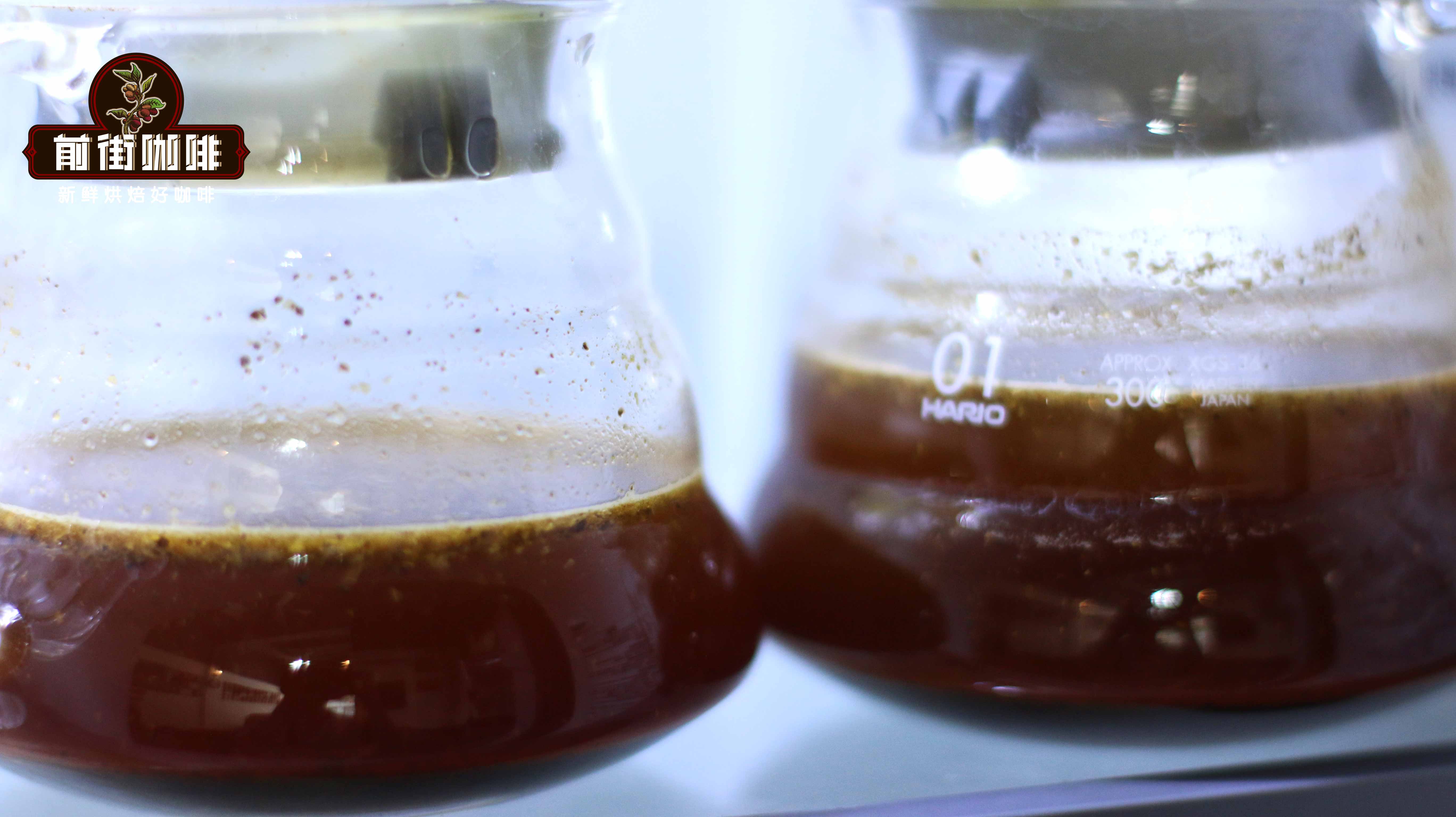
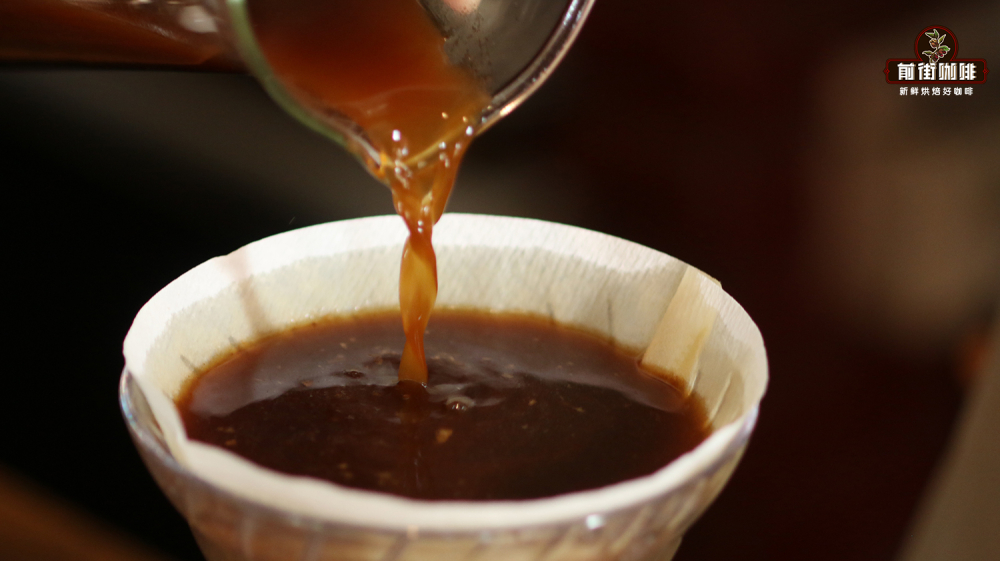
After 12 hours, the cold brew coffee will have fully extracted. You can now filter the coffee liquid through the original drip bag filters to separate the grounds from the liquid, and enjoy a refreshing cold brew coffee. If you find the flavor too strong, feel free to adjust the concentration and taste to your liking by adding ice cubes, cold water, or milk to create your perfect ratio.
One of the charms of cold brew coffee lies in its versatility and storage flexibility. It can be stored in the refrigerator for up to two weeks and adjusted spontaneously based on your current taste preferences. Some people choose to mix it at a 1:1 ratio with water or ice cubes to reduce the overall concentration, creating a more refreshing drinking experience. Whether as a summer pick-me-up or a new way to explore coffee brewing, cold brew coffee offers a unique taste adventure.
In summary, although the cold brew coffee-making process requires some patience, its slow, low-temperature extraction brings out the fruitiness and sweetness of the coffee itself while reducing stomach irritation, making it suitable for all kinds of coffee lovers to try. As long as you get the coffee-to-water ratio right, choose suitable beans, and pay attention to details in steeping and filtration, you too can easily brew your own personalized summer cold brew coffee at home.
The above content is compiled by CoffeeHunters, a coffee news website.


