







Introduction:Explore the unique charm of the world’s top-tier coffees, from the elegant balance of Jamaican Blue Mountain to the unique processing method of Indonesian kopi luwak. This article provides an in-depth analysis of the origin characteristics, flavor profiles, and rarity value of ten renowned coffees. Whether you're a detail-oriented pour over enthusiast or eager to learn the stories behind various premium bean varieties, this comprehensive guide will help you discern authenticity and master key evaluation points.
In the world of coffee, regional terroir, varietal genetics, and processing methods weave together to create a diverse spectrum of flavors. For deep enthusiasts, tasting premium coffees from around the globe is not only a sensory delight but also a profound appreciation of agricultural techniques and natural conditions. This article carefully selects ten globally recognized specialty coffees. Whether you want to understand the pinnacle of pour over performance or seek collectible heirloom beans, the following content offers essential reference.
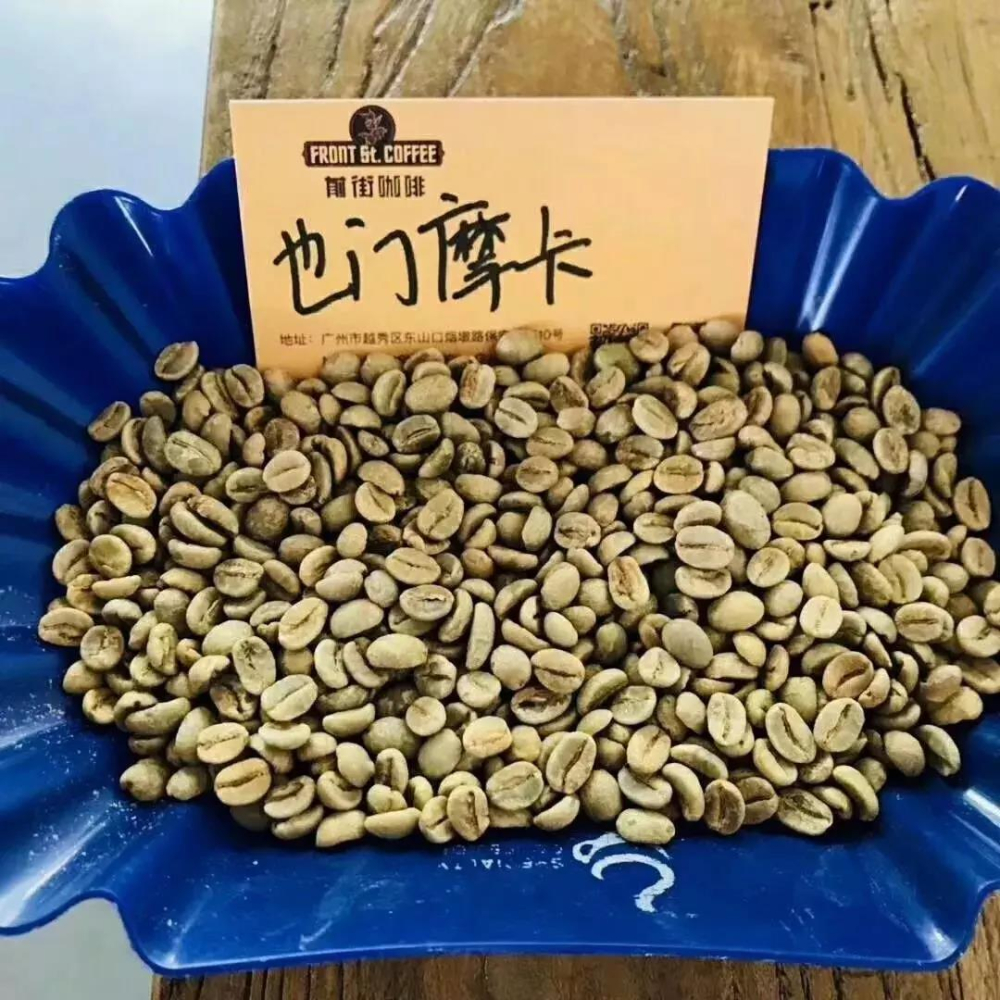
Mocha CoffeeAs one of the oldest commercial coffee varieties, its historical status once secured it the top spot in the top ten rankings. Originating from the port of Mocha in Yemen, this bean now generally refers to high-quality Arabica produced in southern Ethiopia with similar terroir. The typical flavor profile includes distinct cocoa bitterness and sweetness, smoky finish, and layers of dark chocolate, with bright yet non-harsh acidity.It should be noted that the commonly marketed 'mocha' name often refers to blended commercial beans. True Yemeni heirloom varieties, due to their scarce production, often exceed $100 per pound in price.
Elephant Dung Coffee(Black Ivory Coffee) undergoes a truly unique natural transformation—farms in northern Thailand feed carefully selected Arabica green beans to Asian elephants, whose digestive enzymes impart a distinctive fruity aroma to the beans. According to test data, each elephant can process only about 30 kilograms of fresh fruit per day, yielding approximately 1 kilogram of usable coffee beans, resulting in a market price of$50 per pot (about 300ml) or more. The flavor often features notes of tropical dried fruit and soft caramel sweetness.
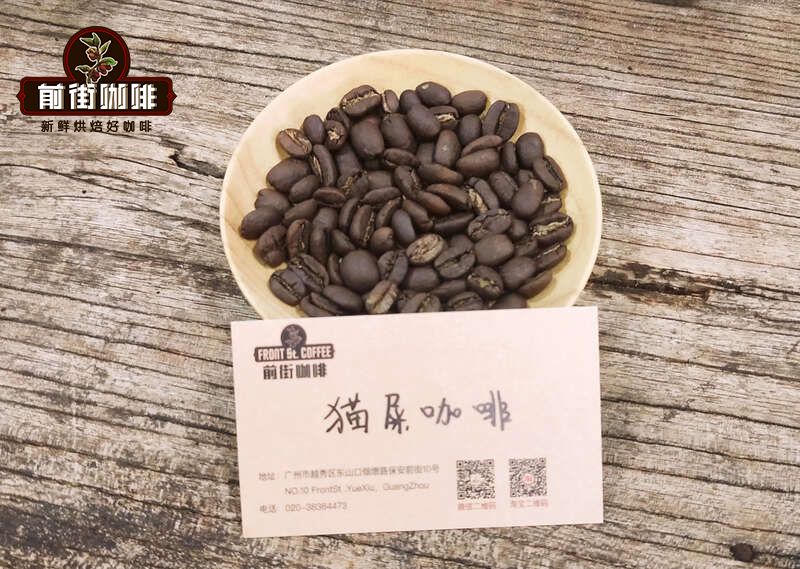
Similarly processed through an animal’s digestive tract,kopi luwak(Civet Coffee), originating from the behavior of Indonesia’s Sumatran native palm civets selecting ripe coffee cherries. Beans fermented in the animal’s intestines generally exhibit reduced harsh tannins, but in recent years, concerns over animal welfare and widespread counterfeits have raised questions about quality consistency.Authentic varieties still maintain a price range of $300 to $600 per pound, with flavor profiles dominated by heavy body and low acidity, occasionally featuring spicy undertones.
Originating from the Brazilian rainforest ecosystem,jacu bird coffee(Jacu Bird Coffee) is excreted after being digested by the South American jacu bird. Compared to other animal processing methods, this variety emphasizes the synergistic effect between orchard management and bird habitat. When brewed, it often displays rich berry sweetness and a base of dark chocolate, with excellent sweet-acid balance.Recommended pour over parameters include medium-fine grind (80-100 microns) and water temperature of 90-92°C to highlight layers.
The rise of Panamanian Geishahas rewritten the evaluation system of specialty coffee. This variety, native to Ethiopia’s Gori Gesha forest, developed under the unique microclimate of Panama’s Boquete highlands, producing unmistakable citrus-floral notes. Hacienda La Esmeralda categorizes it into two main grades: Red Label (auction-grade, altitude 1600+ meters) and Green Label (farm selection):Red Label typically features jasmine, explosive tropical fruit sweetness, and honey finish, often scoring over 95 in cupping; Green Label excels in white peach, elegant orchid floral notes, and refreshing green tea aftertaste.
Indonesian Golden Mandhelingepitomizes Sumatra’s wet-hulled processing style. Sourced from high-altitude regions in Aceh or North Sumatra, these beans undergo a rigorous manual selection process by PWN, with each bean inspected for appearance and density. When brewed, it reveals rich herbal, cedar, and cocoa layers paired with delicate spice notes.For optimal extraction, use medium-coarse grind (100-120 microns), a 1:15 coffee-to-water ratio, and extend blooming time to 35 secondsto fully release the woody base notes.
Hawaii’s unique volcanic soil gives rise toMolokai coffee, a premium bean from an organic farm on Maui, known for its soft berry acidity and caramel sweetness.Shade-grown and processed with honey method, the beans retain more mucilage. For pour over, use 93°C water and fine grind to extract full floral-honey aromas. The finish often combines complexity of black chocolate and herbs, suitable for those who prefer bold flavors.
Located on the isolated volcanic island in the South Atlantic—St. Helena—its coffee cultivation area, under strict organic protocols and conservation of primitive Typica, produces a unique citrus and jade-like character. The green beans appear light green, and after roasting, release mild bergamot aroma with balanced body.Ideal for single-origin coffee beginners, recommended light-to-medium roast (Agtron 65-70) to preserve bright acidity.
Brazil’s traditional farmSanta Inesadheres to traditional sun-dried processing, using mountain mineral water irrigation to cultivate beans rich in berry flavors. Its price exceeding $50 per pound reflects stringent agronomic management. When brewed, it exhibits a sweet blend of blackberry, caramel, and toffee.Best drinking period is 7-14 days post-roast, recommend using French press or AeroPress to enhance body.
The grand finale,Jamaican Blue Mountain Coffee, benefits from the Blue Mountains’ unique microclimate—average annual temperature of 27°C, nearly 2000mm rainfall, and fertile volcanic soil—nurturing what is globally acknowledged as the benchmark of balance. Blue Mountain No. 1 strictly selects green beans larger than screen 17, with defect rates below 3%, and moisture content precisely controlled at around 13%.Cupping performance centers on low acidity, heavy body, and long-lasting aftertaste, complemented by specialized Blue Mountain barrels to maintain stable humidity. Recommended brewing uses medium-fine grind (90 microns), water temperature of 90°C, and a 30-second pre-wet to bring out full nutty and gentle fruity notes.
The above content is compiled by CoffeeHunters, a coffee news website.


