







Introduction:Many coffee beginners often confuse the bitterness of Mandheling with that of espresso, but in reality, the two differ greatly in bean variety, roast level, and brewing method. This article delves into the characteristics of single-origin Mandheling and espresso, introduces the origins and applications of SOE (Single Origin Espresso), and compares the actual performance of PWN Golden Mandheling, Lintong Mandheling, and commercial espresso blends, helping readers grasp the key points in selecting beans and brewing methods.
Many newcomers to the world of coffee often wonder: why do both Mandheling and espresso have a distinctly bitter taste? Are they essentially the same? In fact, they differ fundamentally in green bean selection, roasting style, and brewing logic. Mandheling is mostly a single-origin coffee, emphasizing origin characteristics and pour-over techniques, while espresso relies on high temperature and high pressure environments and serves as the base for many specialty coffee drinks. So, can single-origin beans be used for espresso? What exactly is the concept of SOE? This article will explore these aspects from multiple dimensions, helping you understand the differences between Mandheling and espresso, and analyzing the actual performance of several representative bean varieties.
For beginner coffee enthusiasts, a common and intuitive question arises: aren’t Mandheling and espresso (especially black espresso) both primarily characterized by “bitterness” in taste? Is there really much difference between them? Even in supermarkets or online shopping platforms, coffee bean packages labeled as “Mandheling flavor” or “espresso flavor” are common—so what exactly sets them apart? First, we need to clarify the essence of Mandheling—it is a single-origin coffee, meaning coffee beans sourced from a single region or variety. It is usually recommended to be brewed using methods such as pour over, showcasing a unique flavor profile based on its origin characteristics, such as acidity, sweetness, body, and specific aromas.
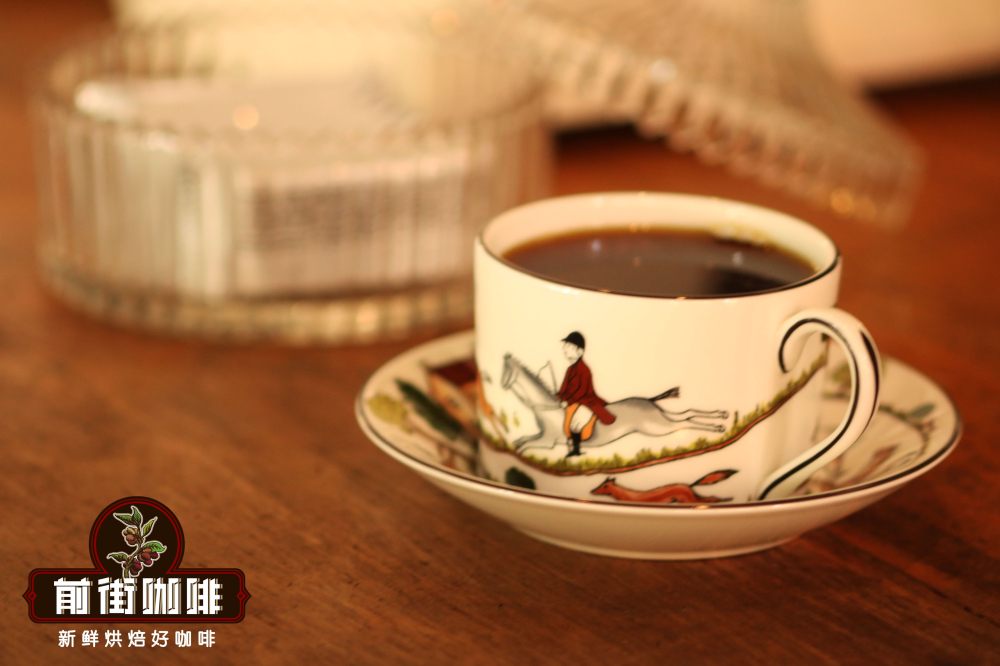
The produced Mandheling is known for its rich and full-bodied profile, blending abundant aromas, distinct bitterness, and a solid mouthfeel, while maintaining a moderate level of sweetness. Its acidity is soft and pleasant, with an overall tight flavor structure, making it highly suitable for dark roasting to bring out intense woody and spicy aromas. The interplay of bitterness and sweetness is also part of its charm. In contrast, espresso is commonly found in milk-based specialty drinks, such as lattes and cappuccinos, with its most representative form being espresso. This type of coffee is primarily extracted using a semi-automatic coffee machine under high temperature (approximately 90.5–96°C) and 9 bar pressure, rapidly extracting the essence of the coffee in 20 to 30 seconds, with an extraction ratio of about 2–3 times the weight of the coffee grounds, resulting in a concentrated espresso liquid.
Espresso has a strong flavor, with a distinct bitterness upon entry, but upon closer tasting, one can still perceive its unique coffee aroma and rich aftertaste. Especially notable is the crema on the surface, a feature that is hard to replicate with pour-over coffee. Everyday drinks such as Americano, latte, and cappuccino are actually based on espresso, adjusted with varying proportions of milk, foam, and syrup to create a diverse range of flavors.
At this point, readers may ask: can single-origin coffee beans be used to make espresso? The answer is yes. Espresso made from single-origin beans is called Single Origin Espresso, abbreviated as SOE. However, most espressos available on the market still use blended beans, which combine two or more coffee beans from different regions, aiming to balance flavors, stabilize extraction performance, and cater to popular taste preferences.
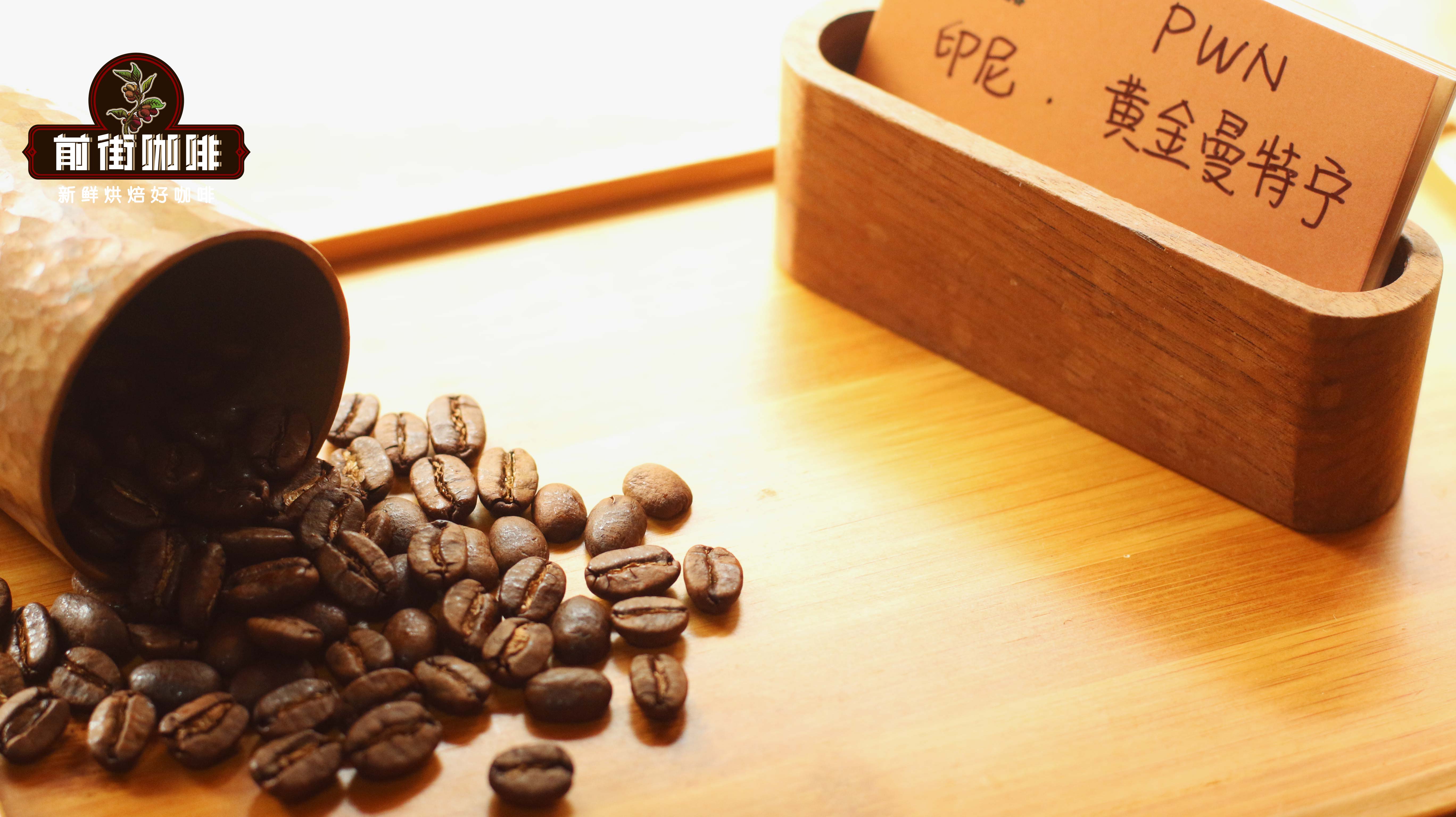
Below, we introduce several representative Mandheling and espresso blend beans. First is the PWN Golden Mandheling, which belongs to the highest grade G1, carefully selected with beans larger than eighteen mesh, and no more than three defective beans per 300-gram green bean sample. This product undergoes three rounds of manual selection to ensure all defective beans are removed, delivering a clean and bright mouthfeel. Its green beans are dark green in color with a neat shape, and the packaging bears the official PWN logo and certification, which are key to confirming authenticity. Compared to the earthy and impurity flavors commonly found in regular Mandheling, Golden Mandheling offers a cleaner sweetness and a clearer flavor layering.
Another variety is Lintong Mandheling, produced in the Lintong mountainous area in north-central Sumatra, Indonesia, near Lake Toba. It is an entry-level everyday bean. These beans are processed using the wet-hulled method, grown at altitudes between 1100 and 1600 meters, and include varieties such as Typica and Catuaí. The wet-hulled method is characterized by reducing acidity and enhancing body, giving Lintong Mandheling a low-acid, full-bodied profile. Its flavor often includes elements such as toasted bread, nuts, caramel, pine, and herbs, making it suitable for drinkers who prefer a heavier mouthfeel.
Finally, we introduce the commercial espresso blend coffee beans. This blend combines Brazilian and Colombian beans with 10% Robusta beans, with a flavor profile leaning toward the classic strong and bold style. Its main characteristics include a pronounced caramel sweetness, nutty and cocoa tones, along with dark chocolate notes. The balance between acidity and sweetness is well-maintained, with a long-lasting aftertaste that is slightly bittersweet. Thanks to the addition of Robusta, the crema richness and mouthfeel fullness of the espresso are significantly enhanced, making it highly suitable for daily use in coffee shops, providing a consistently rich and layered coffee experience.
The above content is compiled by CoffeeHunters, a coffee news website.


