







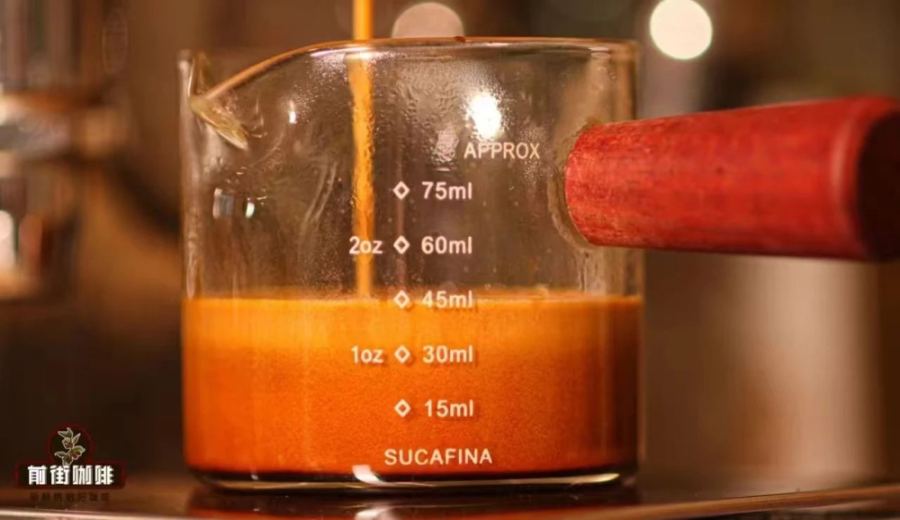
Introduction:The richness and complexity of espresso largely depend on the choice of blend. This article delves into the advantages of medium-dark roasted blends, introduces four practical and popular espresso recipes—from classic combinations rich in crema, to SOEs with fruity highlights, to high-value entry-level options—helping readers select the most suitable beans based on their preferences and understand the key factors in assessing freshness.
Espresso is renowned for its bold and full-bodied character, maintaining distinct coffee flavors even when diluted with milk or water. Thanks to the high-pressure, short-extraction process of espresso machines, medium-dark roasted blends perform exceptionally well—not only producing abundant crema but also delivering captivating caramel and toasted aromas, making the overall extraction smoother. If you're looking to enjoy great-tasting espresso on a reasonable budget, blends are an excellent choice; if you prefer single-origin characteristics, you might also try single-origin espresso (SOE). Below, we introduce four practical and popular espresso blend recipes, along with useful tips for selecting fresh coffee beans.
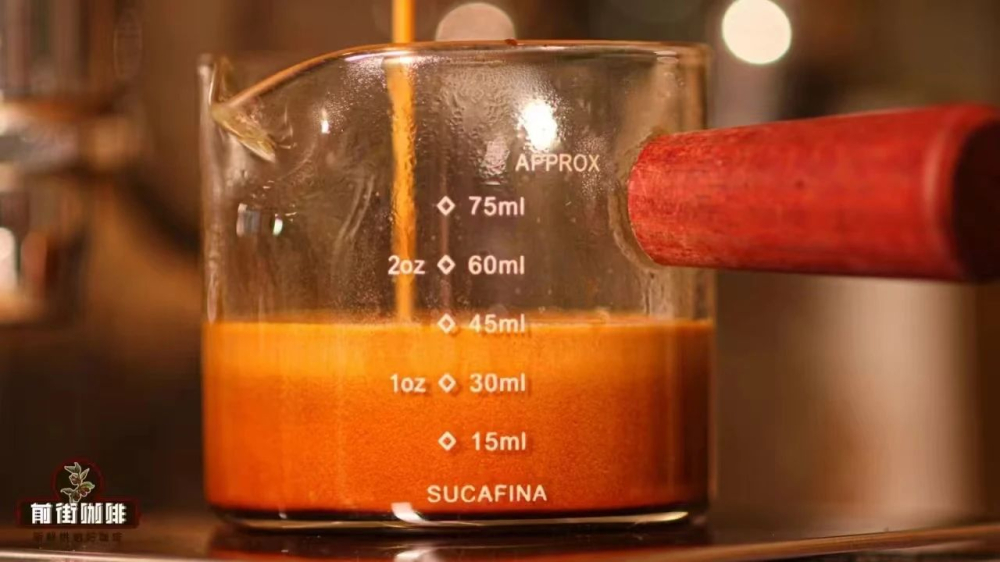
The charm of espresso lies in its concentrated flavor and versatile applications—whether making Americano, latte, or cappuccino—relying heavily on bean quality and roast level. Medium-dark roasted blends, with their stable flavor profiles and rich crema performance, are the top choice for many baristas. Compared to single-origin beans, blends can achieve balanced flavors and layered aromas by complementing beans from different regions. If you're looking for an espresso with clear flavor, great value, and everyday usability, the following recipes are worth considering.
1. Classic Blend with Rich Crema and Solid Body
This blend consists of beans from Brazil, Indonesia, and Vietnam, roasted to a dark level. It highlights intense chocolate and nutty notes while producing generous crema. It’s ideal for various milk-based coffees such as lattes and cappuccinos, and suits those who prefer a bold, full-bodied taste. The recipe delivers consistent aroma release during extraction, with particularly outstanding crema performance.
2. SOE Coffee with Pronounced Fermented Fruit Aroma
These beans, from the Hjeza variety grown at Finca La Línea in Colombia's Huila region at about 1700 meters above sea level, are processed using a double anaerobic natural method. They exhibit rich aromas of grape, citrus, and passion fruit. This bean has garnered attention for its frequent acclaim in international coffee competitions, making it especially suitable for iced Americano or single-origin brews. Its flavors are clear and layered, becoming even more refreshing when served chilled.
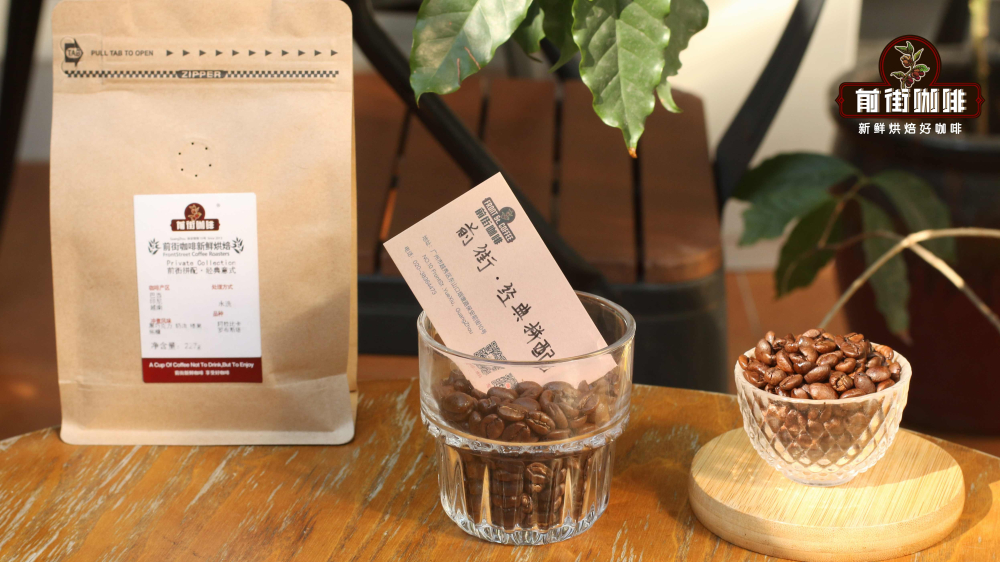
3. Balanced Blend with Prominent Nutty Notes
This premium espresso blend is centered around a medium-dark roast, using Brazilian beans as the base to deliver stable nutty and dark chocolate flavors, paired with Colombian beans’ gentle fruit acidity and sweet aftertaste. The overall profile is balanced and suitable for various brewing methods. For those who prefer something not overly intense but still rich in flavor, this blend offers a mild yet distinctive option.
4. Entry-Level Blend with Great Value
Designed for beginner coffee enthusiasts or home users on a budget, this basic espresso blend features soft fruit acidity, pronounced caramel sweetness, and nutty tones. Its flavor is simple and smooth, with good crema performance. Affordable and suitable for daily drinking or commercial use, it’s an excellent high-value option.
How to Choose Fresh Espresso Beans?
To brew great-tasting espresso, the first priority is to choose freshly roasted coffee beans. It’s recommended to prioritize products clearly labeled with the roast date (rather than the expiry date), and to choose roasters with a strong brand reputation that emphasize freshly roasted beans. Fresh beans not only have richer aroma but also showcase more complete flavors during extraction. It’s advisable to avoid beans stored for more than three weeks to ensure optimal flavor.
Additionally, store coffee beans away from direct sunlight, moisture, and heat. Use airtight containers or dedicated coffee bean storage jars, and try to use them within 2–3 weeks of roasting for the best flavor. For commercial purposes or bulk purchases, consider buying in batches to ensure each use is within the beans’ peak freshness period.
The above content is compiled by CoffeeHunters, a coffee news website.


